





Cooking's Nutrient Impact
It's a common belief that cooking vegetables completely strips them of their goodness. While it's true that heat can degrade certain heat-sensitive vitamins
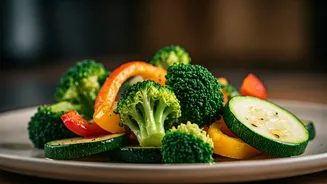
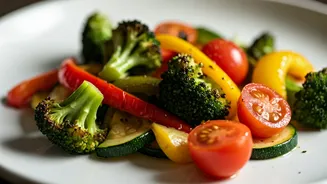
like Vitamin C, this isn't the whole story. Many other beneficial compounds, such as beta-carotene and lycopene, actually become more accessible and easier for our bodies to absorb after vegetables are cooked. Furthermore, the cooking process can soften tough fibers, making them less challenging for some individuals to digest. Therefore, while some nutrient loss is inevitable with cooking, it can also lead to enhanced bioavailability of other crucial nutrients, creating a more balanced nutritional profile than often assumed.
Calorie Content Clarity
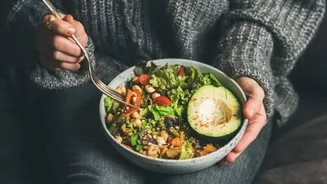
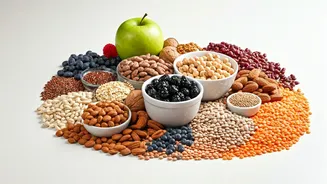
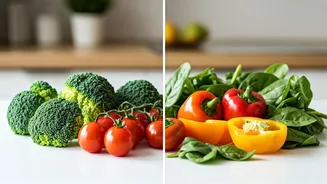
The idea that all raw vegetables are inherently low in calories and thus safe for unlimited consumption is another prevalent myth. While a wide array of raw vegetables are indeed calorie-light, they can also contain natural sugars and healthy fats that contribute to overall calorie intake, especially when eaten in generous portions. For instance, ingredients like avocados and various types of nuts, even when consumed raw, are calorie-dense. This highlights the importance of mindful eating and considering portion sizes, rather than relying on the blanket assumption that raw equates to low-calorie. A balanced approach to your diet, encompassing both raw and cooked options, is key for effective weight management.
Digestion Realities
The notion that consuming foods in their raw state universally enhances digestive processes is not universally accurate. Certain individuals may encounter digestive discomfort when trying to process specific raw vegetables. This is often due to their high fiber content or robust cellular structures, which can be challenging for some digestive systems to break down. In contrast, the cooking method can effectively break down these very components, potentially making the vegetables more digestible for those who struggle with raw versions. Ultimately, it's crucial to pay close attention to your body's individual responses and understand how it processes different food preparations to optimize your digestive well-being.
Nutrient Absorption Nuances
A widespread belief suggests that our bodies absorb nutrients from raw vegetables far more efficiently than from cooked ones. However, this claim overlooks the complex relationship between cooking and nutrient bioavailability. In many instances, cooking actually facilitates the absorption of nutrients by breaking down the plant's cell walls. This structural breakdown allows our digestive system to access and utilize nutrients more readily. A prime example is the lycopene found in tomatoes; cooked tomatoes offer significantly more bioavailable lycopene compared to their raw counterparts, making them a more potent source for this beneficial antioxidant.
Organic Versus Raw
The assumption that 'organic' automatically translates to 'healthier' when it comes to raw vegetables warrants closer examination. While organic farming practices avoid synthetic pesticides and fertilizers, this distinction doesn't necessarily lead to a significant difference in the vitamin and mineral content of the produce. When integrated into a well-rounded diet plan tailored to individual requirements, both organic and conventionally grown vegetables offer comparable nutritional benefits. The primary advantage of organic lies in its environmental impact and reduced exposure to chemical residues, rather than a substantially higher nutritional profile.