








Gut Health & Fertility
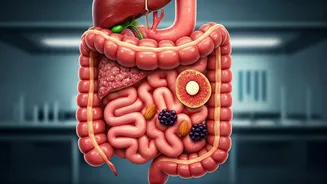
The health of your gut, often referred to as the 'second brain,' plays a much bigger role than just digesting food. It’s teeming with a complex ecosystem
called the microbiome, made up of trillions of bacteria, fungi, viruses, and other microorganisms. This ecosystem, however small, is vital for several bodily functions, including nutrient absorption, immune system regulation, and even hormone production. Research indicates that the gut microbiome influences reproductive health, as the gut and reproductive systems communicate constantly. An imbalanced gut microbiome can trigger inflammation, which may negatively influence egg quality, implantation, and overall hormonal balance, thus affecting fertility. A healthy, balanced gut environment, in contrast, promotes better nutrient absorption, hormone regulation, and a strong immune system – all of which are essential for successful conception and pregnancy.
The Gut-Hormone Link
A critical aspect of the gut's influence on fertility involves the gut-hormone connection, which is intricate and far-reaching. The gut microbiome influences hormone production and regulation through several mechanisms. For instance, the 'estrobolome,' a collection of gut bacteria, metabolizes and regulates estrogen levels. When the estrobolome is out of balance, estrogen levels can fluctuate, potentially leading to hormonal imbalances that can disrupt the menstrual cycle and make conception difficult. Furthermore, gut inflammation, often linked to an unhealthy microbiome, can interfere with insulin sensitivity, which is crucial for conditions like polycystic ovary syndrome (PCOS), a common cause of infertility. Consequently, an unhealthy gut can exacerbate hormonal problems, directly impacting a woman's fertility by affecting ovulation, egg quality, and the ability of the embryo to implant successfully. Prioritizing gut health is therefore crucial for hormonal harmony, which is indispensable for successful conception.
Inflammation's Impact on Fertility
Chronic inflammation, a hallmark of an unhealthy gut, poses a major threat to fertility. It's not just about bloating or occasional digestive discomfort; chronic inflammation can quietly wreak havoc on reproductive health. The immune system, in its effort to combat inflammation in the gut, may inadvertently target the reproductive system, leading to complications. Specifically, it can reduce blood flow to the reproductive organs, impairing their function. Furthermore, inflammation can affect egg quality and interfere with embryo implantation. High levels of inflammatory markers in the body can disrupt the delicate hormonal balance necessary for conception and pregnancy. In severe cases, chronic inflammation can increase the risk of conditions like endometriosis, which may cause scarring and distortion of the reproductive organs, and negatively impact fertility. Addressing gut health through dietary changes and lifestyle adjustments becomes critical for reducing inflammation and optimizing fertility.
Dietary Strategies for Gut Health
Nourishing your gut through diet is a powerful step towards improving fertility. The key is to support a thriving, balanced microbiome. Prioritize foods rich in prebiotics, which feed the beneficial gut bacteria, such as garlic, onions, bananas, and asparagus. Include a variety of probiotic-rich foods like yogurt, kefir, kimchi, and sauerkraut. These foods introduce beneficial bacteria directly into your gut, supporting diversity and balance. Minimize processed foods, refined sugars, and excessive amounts of unhealthy fats, as these can disrupt the microbiome, promote inflammation, and worsen gut health. Focus on a diet rich in whole, unprocessed foods, including plenty of fruits, vegetables, lean proteins, and whole grains. Staying hydrated is also very important. Water helps to keep your gut functioning smoothly and supports the overall health of the digestive system. Making sustainable dietary changes is an investment in your gut and, in turn, your fertility journey.
Lifestyle Adjustments for Fertility
Alongside diet, certain lifestyle adjustments can dramatically improve gut health and, by extension, fertility. Adequate sleep is non-negotiable, as sleep deprivation negatively affects both gut health and hormone balance, both crucial for conception. Aim for 7-9 hours of quality sleep per night. Manage stress effectively, as stress can worsen gut inflammation and disrupt the hormonal balance. Incorporate stress-reducing activities such as yoga, meditation, or spending time in nature into your daily routine. Regular, moderate exercise is also beneficial for both gut health and fertility. Physical activity reduces inflammation, supports a healthy weight, and improves overall well-being. Avoiding smoking and excessive alcohol consumption is also necessary. These substances can harm the gut microbiome and negatively affect fertility. Small, consistent changes in lifestyle can significantly support your gut health and increase your chances of conceiving.
When to Seek Support
While dietary changes and lifestyle adjustments can make a significant difference in improving gut health and supporting fertility, knowing when to seek professional medical advice is essential. If you experience persistent digestive issues, such as bloating, constipation, diarrhea, or abdominal pain, consult a healthcare provider to rule out underlying conditions and get personalized guidance. If you’ve been trying to conceive for 12 months (or six months if you're over 35) without success, it's wise to speak with a fertility specialist or doctor. They can evaluate your overall reproductive health and identify any potential issues that may be linked to gut imbalances. If a connection is found between gut health and fertility problems, a healthcare provider can recommend targeted interventions, such as specific dietary modifications, probiotic supplementation, or other treatments to support your health. They can provide important medical advice that's tailored to your unique circumstances and that helps support your fertility journey.