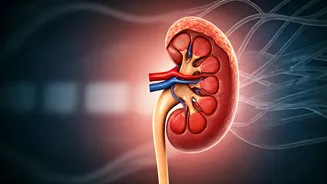







Work Stress & Kidney Strain
The modern professional landscape often normalizes long hours, quick, unhealthy meals, and constant pressure. However, medical professionals are increasingly
identifying these lifestyle patterns as significant contributors to kidney distress, even in young adults without pre-existing risk factors. Nephrologists are observing early indicators such as elevated creatinine levels, which signifies impaired waste filtering by the kidneys, higher blood pressure, and the presence of protein in urine, all warning signs of potential kidney stress. When these individuals' daily routines are scrutinized, prolonged periods of work-related stress, prolonged sitting, erratic meal times, and frequent late-night snacking consistently emerge as common denominators. This suggests a direct correlation between the pressures and habits of contemporary work life and the gradual strain placed upon these vital organs.
The Global Kidney Crisis
Kidney disease is a pervasive global health concern, affecting an estimated 850 million people worldwide. Chronic kidney disease (CKD), characterized by a progressive decline in kidney function, poses a significant threat and can ultimately lead to kidney failure if not diagnosed and managed early. Health authorities caution that CKD is projected to become a leading cause of death globally in the coming decades. While diabetes and hypertension are the primary culprits, accounting for roughly two-thirds of all CKD cases according to the International Society of Nephrology, prolonged stress can indirectly exacerbate these risks. Chronic stress elevates cortisol levels, which can lead to increased blood pressure and metabolic imbalances, further compromising kidney health.
Dietary Pitfalls & Late Meals
The convenience-driven dietary habits often adopted by busy professionals can significantly impact kidney function. A reliance on processed foods, which are typically high in sodium and low in essential nutrients, places an extra burden on the kidneys. Late-night meals commonly consist of instant noodles, chips, processed meats, and packaged snacks, all notorious for their high sodium content. While sodium is crucial for fluid balance, excessive intake forces the kidneys to work overtime to maintain stable blood pressure. The World Health Organization reports that the average adult consumes nearly double the recommended daily sodium, largely due to the prevalence of processed food in diets. This consistent high salt intake can gradually elevate blood pressure, placing considerable strain on the kidneys.
Sedentary Lifestyles & Hydration
Prolonged periods of sitting and suboptimal hydration habits are other key concerns for office workers. Many professionals opt for coffee, energy drinks, or sugary beverages throughout the workday, often displacing plain water. While moderate caffeine intake is generally safe, a primary reliance on these drinks can lead to mild dehydration. This can impair blood circulation to the kidneys and increase the risk of kidney stones. Concurrently, many corporate roles necessitate extended periods of sitting. Sedentary lifestyles are strongly linked to weight gain, impaired glucose metabolism, and elevated blood pressure, all of which are significant risk factors for the development of kidney disease.
Recognizing Silent Threats
A critical challenge with kidney disease is its often silent progression in the initial stages, leaving many unaware of the damage until it becomes substantial. Early kidney dysfunction can persist unnoticed for years, with noticeable symptoms like swelling, fatigue, or changes in urination only appearing when kidney function has significantly diminished. Consequently, doctors strongly advocate for regular screening tests. These include serum creatinine measurements, estimated glomerular filtration rate (eGFR) tests, and urine albumin tests, all of which are crucial for detecting the earliest signs of kidney impairment before irreversible damage occurs.
Simple Steps, Big Impact
Protecting your kidney health doesn't require drastic measures; small, consistent lifestyle adjustments can make a substantial difference. Prioritizing whole foods over processed options, consciously limiting salt intake, ensuring adequate hydration with water, and maintaining regular sleep patterns are fundamental to supporting kidney function. Incorporating short movement breaks during long workdays and actively managing stress through physical activity or relaxation techniques can also mitigate the cumulative strain that modern work environments place on the body. Doctors emphasize that because kidney disease develops gradually, recognizing and modifying everyday habits early is key for young professionals to preserve their long-term kidney well-being.