





Metabolic & Digestive Shifts
During the 30 days of Ramadan, your body undergoes remarkable adaptations. It becomes more efficient at utilizing fat for energy and enhances its sensitivity
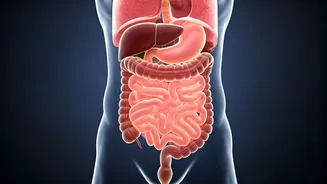
to insulin, crucial for blood sugar regulation. However, this finely tuned system can be thrown into disarray by the abrupt return to heavy, calorie-dense meals immediately after the fasting period concludes. Such a sudden influx of rich foods, particularly those high in fats and simple sugars, can trigger significant insulin spikes. This is often followed by an energy crash as your body struggles to process the overload. Furthermore, after a month of consuming lighter, more spaced-out meals, your digestive tract becomes sensitive. Large portions can easily lead to discomfort, including bloating, cramping, and general indigestion, making the transition a physically challenging experience rather than a joyful celebration.
Nutrient Imbalances Ahead
The celebratory meals that often follow Ramadan can inadvertently lead to an imbalance in nutrient intake, undermining the health gains achieved. Many post-fasting feasts tend to be laden with excessive amounts of simple sugars found in desserts and refined carbohydrates present in fried snacks and bread. This overindulgence can elevate inflammatory markers in the body, effectively counteracting the anti-inflammatory benefits of fasting. Concurrently, these heavy meals often fall short on essential protein and fiber. A deficit in protein can pose a risk to muscle mass, while insufficient fiber can disrupt the delicate balance of the digestive system, potentially leading to constipation or other gastrointestinal issues, thereby hindering overall well-being.
Body Composition Reversal
The weight loss achieved during Ramadan, typically around 0.8 to 1.4 kg, is a testament to disciplined eating. However, this progress can be swiftly reversed if the eating habits immediately post-Ramadan involve returning to the same pre-fasting dietary patterns. Within a short span of two to three weeks, this accumulated weight can return, nullifying the efforts made. Similarly, reductions in waist circumference and visceral fat, which are significant markers of improved metabolic health, can also be quickly undone. The rapid consumption of high-calorie meals prompts the body to efficiently store excess energy as fat, specifically targeting the abdominal area, thereby reversing the positive changes in body composition.
Hydration and Electrolyte Harmony
Throughout the fasting period, your body develops a conserved approach to water and fluid balance. However, the shift back to eating, especially after consuming salty or dehydrating foods, can disrupt this delicate equilibrium. Despite drinking water, the high-salt content in many celebratory dishes can lead to symptoms of dehydration. This occurs because excessive salt intake can draw water out of your cells, making you feel thirsty and fatigued even if your overall fluid intake appears sufficient. Maintaining proper hydration and electrolyte balance is crucial, as imbalances can affect energy levels, cognitive function, and overall bodily processes. Careful attention to fluid intake and judicious consumption of salt is vital during this transitional phase.
Smart Transition Strategies
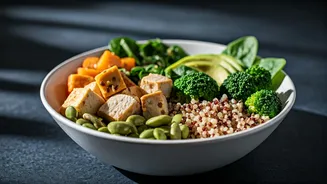
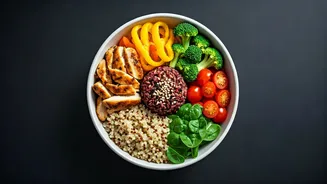
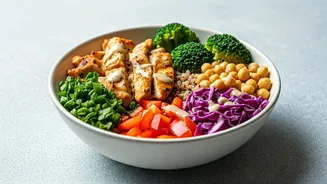
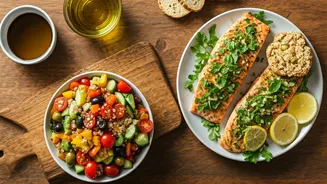
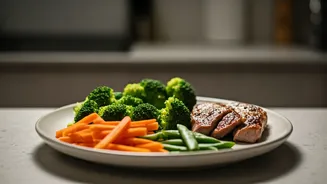
To safeguard the health benefits acquired during Ramadan, a mindful approach to transitioning back to normal eating is essential. Begin by breaking your fast gently. Opt for water and a few dates initially, followed by a small, balanced meal. Delaying the main course by 30 to 60 minutes allows your digestive system to prepare. Prioritize nutrient-dense foods such as plenty of vegetables, complex carbohydrates like whole grains, and lean protein sources. These foods help stabilize blood sugar levels and support healthy digestion. Gradually reintroduce your usual eating patterns over a period of one to two weeks, rather than reverting to heavy, large meals immediately. This gradual adjustment ensures your body can adapt smoothly, preserving energy, weight, and metabolic balance.