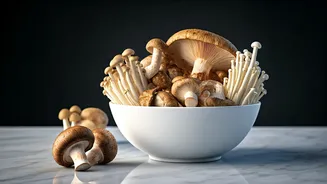



Why Mushrooms Spoil Fast
Mushrooms, composed of nearly 90% water, are highly susceptible to moisture absorption. When stored improperly, this leads to sogginess and a breeding
ground for bacteria, accelerating spoilage. Airtight containers or overly humid environments exacerbate this issue. Furthermore, a lack of proper air circulation is detrimental; mushrooms require a breathable space that allows excess moisture to dissipate while maintaining a cool temperature. This delicate balance is key to preventing premature decay and preserving their desirable texture and flavour before they reach your plate.
Choosing Quality Fungi
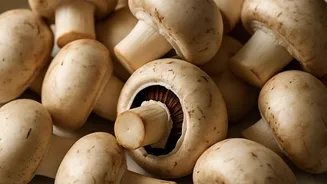
The journey to long-lasting mushrooms begins even before they enter your refrigerator. When selecting them at the market, opt for specimens that feel firm to the touch, possess a smooth surface, and appear dry. Steer clear of any mushrooms that feel wet, look slimy, or display discolouration, as these are often indicators of an already advanced stage of spoilage. A fresh mushroom should exude a mild, earthy aroma. If you detect a sour or unpleasantly strong scent, it's a sign that the mushrooms may have begun to deteriorate, and it's best to choose another batch.
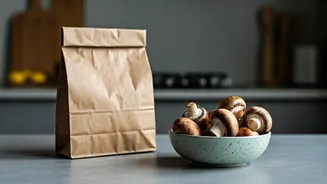
The Paper Bag Method
One of the most highly recommended techniques for extending mushroom freshness involves the humble paper bag. This method capitalizes on paper's ability to absorb excess moisture while simultaneously permitting crucial air circulation. Simply transfer your mushrooms, whether loose or still in their original packaging, into a clean paper bag. Place this bag in the main section of your refrigerator. This simple step helps to mitigate the buildup of moisture, a primary culprit behind the unappealing sliminess that mushrooms can develop.
Original Packaging Wisdom
In many instances, the original packaging provided by supermarkets can be a suitable storage solution, especially if it includes a plastic wrap with small ventilation holes. These containers are often ingeniously designed to strike an optimal balance between maintaining a necessary level of humidity and allowing for adequate airflow. However, it's imperative to remain vigilant; if you notice that the packaging itself is becoming damp, it's a clear signal that you should promptly transfer the mushrooms to a paper bag to prevent accelerated spoilage.
Resist Pre-Storage Washing
A common practice that can inadvertently shorten the lifespan of mushrooms is washing them immediately after purchase. Mushrooms are remarkably porous and readily absorb water. Introducing excess moisture at this stage can significantly hasten their deterioration. Instead, it is far more beneficial to store them unwashed. The ideal approach is to clean them only when you are precisely ready to use them in a recipe, employing methods like gently wiping them with a slightly damp cloth or giving them a brief rinse under cool water.
Isolate from Strong Smells
Due to their porous nature, mushrooms have a tendency to readily absorb the aromas of nearby foods. If stored in proximity to strongly scented items such as onions, garlic, or pungent cheeses, their own delicate flavour can become compromised. To preserve their natural, earthy taste, it is advisable to allocate them a separate space within the refrigerator or ensure they are sealed within a paper bag. This separation helps maintain their pure flavour profile, ensuring they enhance dishes without acquiring unwanted undertones from other ingredients.
Paper Towel Moisture Trap
An additional effective strategy to combat excess moisture involves the strategic use of a dry paper towel. Place one or two dry paper towels inside the container or bag where your mushrooms are stored. These towels will diligently absorb any condensation that may form within the refrigerator. It's a good practice to check the paper towel every few days; if it feels damp, simply replace it with a fresh, dry one. This continuous moisture management is crucial for keeping your mushrooms dry and extending their freshness.
Freezing: Cook First
Directly freezing raw mushrooms is generally not advisable, as their texture can become unpleasantly mushy upon thawing. For those wishing to preserve mushrooms through freezing, the recommended approach is to cook them first. A light sauté is an excellent preparation method. Once cooked, they can be stored in airtight freezer-safe containers. Cooked mushrooms typically retain their flavour and texture much better when frozen, lasting for up to two months.
Regular Quality Checks
Even with the implementation of the most meticulous storage practices, it remains essential to periodically inspect your mushrooms. Every few days, take a moment to examine them for any signs of spoilage. Look out for the development of sliminess, the appearance of dark spots, or any unusual or strong odours. Promptly removing any mushrooms that exhibit these characteristics will help preserve the freshness of the remaining ones, ensuring your entire batch stays in good condition for as long as possible.
Expected Shelf Life
When treated to these optimal storage conditions, fresh mushrooms typically maintain their quality for approximately 5 to 7 days within the refrigerator. In favourable circumstances, particularly when stored in a well-ventilated paper bag, their freshness can be remarkably extended, sometimes lasting for up to 10 days. Understanding and applying these simple yet effective storage techniques can make a substantial difference in how long your mushrooms remain palatable, significantly reducing food waste and allowing you to enjoy their culinary versatility for an extended period.