






Fever: More Than Viral?
During monsoon season, mosquito-borne illnesses like malaria become a significant concern, often masquerading as common viral fevers. A fever shouldn't
be dismissed as 'just viral' if it's high-grade, accompanied by cyclic chills and sweating, persists for over 2-3 days, or appears during or after the rainy season. These symptoms warrant immediate testing, as malaria can escalate rapidly if left untreated. The disease is transmitted through the bite of infected female Anopheles mosquitoes and is caused by Plasmodium parasites. Early identification is paramount to prevent severe complications and ensure effective treatment, especially given India's ongoing efforts towards malaria elimination by 2030, which despite progress, still faces challenges in remote areas and among vulnerable populations.
Diagnosis & Treatment
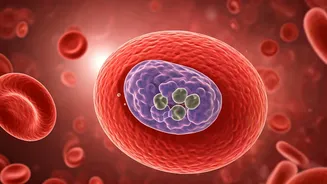
Diagnosing malaria accurately is crucial for effective treatment. Current methods include rapid diagnostic tests (RDTs) for quick, on-the-spot results, and peripheral blood smear microscopy, which remains the gold standard for confirmation. It's vital to identify the specific Plasmodium parasite, such as Plasmodium falciparum or Plasmodium vivax, as this dictates treatment. Falciparum malaria can quickly become life-threatening, while vivax can lead to relapses if not fully treated. Standard treatment for uncomplicated malaria involves Artemisinin-based Combination Therapy (ACT), with an additional course for vivax to prevent recurrence. Severe malaria necessitates hospitalization and intravenous antimalarial drugs like artesunate. Intensive care unit (ICU) admission is reserved for critical cases exhibiting altered consciousness, severe anemia, breathing difficulties, organ dysfunction, or persistent vomiting.
Vulnerable Groups & Climate
Children and the elderly are particularly susceptible to severe malaria complications due to their less robust immune systems. Families should remain vigilant for warning signs such as persistent high fever, excessive sleepiness or confusion, repeated vomiting, reduced urine output, and breathlessness or weakness. Prompt medical attention for these groups is essential. Furthermore, climate change is subtly altering malaria patterns; warmer temperatures extend mosquito breeding seasons, unpredictable rainfall can trigger outbreaks, and increased humidity boosts mosquito survival. This shift makes malaria less seasonal and more unpredictable, demanding year-round caution and reinforcing the need for sustained surveillance and public awareness campaigns.
Prevention & Awareness
Preventing malaria is the most effective strategy, and it relies on simple, consistent actions. Utilizing insecticide-treated mosquito nets, especially during nighttime, and applying mosquito repellents are key personal protective measures. Eliminating stagnant water sources around homes reduces breeding grounds for mosquitoes. Wearing full-sleeve clothing, particularly during dawn and dusk when mosquitoes are most active, further minimizes exposure. Community-level initiatives, such as indoor spraying and sanitation drives, also play a crucial role. Dispelling common myths, like malaria being 'just a simple fever' or that it never returns after treatment, is vital. Accurate diagnosis and doctor-guided treatment are paramount, as self-medication or delayed treatment can lead to serious health consequences and hinder recovery.