



Choosing Your Clay
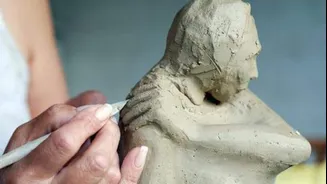
Embarking on the journey of sculpting African animal figures begins with the fundamental choice of material. Natural clay, often sourced locally in many
regions of Africa, is highly esteemed for its inherent workability and pleasing texture, making it an ideal medium for capturing the spirit of wildlife. The key is to select a clay that possesses excellent drying properties, ensuring it hardens without succumbing to unsightly cracks, which can compromise the integrity of your piece. For added resilience and to prevent breakage, some artisans incorporate natural fibers directly into the clay mixture. Don't shy away from experimenting with various types of clay; this exploration is crucial in discovering a material that harmonizes with your personal sculpting style and the specific demands of your artistic vision. The right clay provides a solid foundation for bringing your animal creations to life with authenticity and durability.
Anatomy for Realism
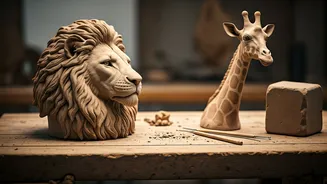
To imbue your clay animals with a lifelike presence, a profound comprehension of their anatomy is paramount. Diligent study of detailed photographs or, even better, direct observation of live animals offers invaluable insights into their true proportions and characteristic features. Understanding the underlying skeletal structure and the way muscles interact beneath the skin is critical for sculpting figures that appear dynamic and believable. This knowledge allows you to accurately represent the unique posture, gait, and form of each animal, transforming a simple lump of clay into a recognizable and compelling representation of the creature. The fidelity to anatomical detail is what elevates a sculpture from a mere craft object to a true work of art, resonating with viewers through its convincing portrayal of nature's designs.
Traditional Sculpting Methods
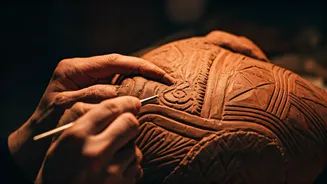
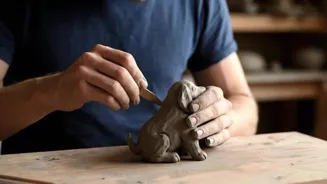
The creation of African animal clay sculptures is deeply rooted in time-honored traditions, with many techniques passed down through successive generations. These heritage methods often dictate specific approaches to shaping the clay, applying intricate textures, and meticulously finishing the pieces, all of which contribute to the sculpture's distinctive character and cultural significance. Engaging with these ancestral practices, perhaps by learning from experienced local artisans or participating in specialized workshops, can significantly enrich your artwork. Such engagement not only refines your technical skills but also fosters a deeper connection to the rich cultural tapestry and historical narratives woven into these artistic traditions, adding a layer of authenticity and meaning to your creations.
Finishing and Preservation
The final stages of sculpting are as vital as the initial shaping, profoundly impacting both the visual allure and the longevity of your clay figures. Once the sculptures have thoroughly dried, artists often apply natural pigments derived from plants or use plant-based sealants. These treatments serve a dual purpose: they protect the artwork from the damaging effects of moisture, thereby ensuring its durability, while simultaneously preserving the sculpture's organic, natural aesthetic without introducing artificial sheen or chemical alterations. Implementing these careful preservation techniques is essential for guaranteeing that these exquisite artworks can be admired and appreciated for many years, standing as a testament to both artistic skill and natural beauty for future generations.