



Pot Selection Fundamentals
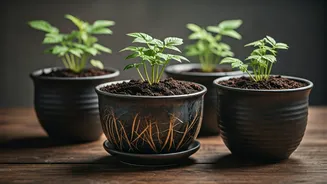
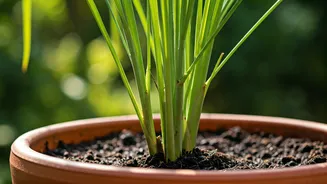
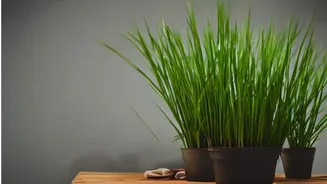
Embarking on your lemongrass cultivation journey begins with selecting the right vessel. For robust growth, opt for a pot that measures at least 12 inches
in both depth and width, offering ample space for the root system to flourish. Crucially, ensure your chosen container features ample drainage holes at its base. This is paramount to circumvent waterlogging, a common culprit behind root decay and plant distress. Whether you choose a classic ceramic pot or a more modern plastic one, prioritize good insulation to shield the roots from drastic temperature shifts, ensuring a stable environment for your aromatic herb.
Soil and Planting Wisdom
The foundation for healthy lemongrass lies in its soil. This resilient herb prefers well-draining soil with a slightly acidic to neutral pH, ideally between six and seven. To achieve this, a custom blend incorporating standard potting soil with materials like sand or perlite is highly recommended, as these enhance aeration and prevent compaction. When planting, position your lemongrass stalks upright, burying them approximately two inches into the soil. Immediately after planting, give the soil a thorough soaking. Maintain consistent moisture, ensuring the soil is damp but never waterlogged, which is crucial for preventing fungal issues and promoting strong root establishment.
Illumination and Temperature Needs
Lemongrass thrives under the sun's embrace, requiring a minimum of six hours of direct sunlight daily to reach its full potential. Position your potted lemongrass in the sunniest spot available, whether on a balcony or by a well-lit window. If your indoor environment lacks sufficient natural light, supplementing with grow lights is an excellent alternative to ensure your plant receives the necessary photonic energy for photosynthesis. The ideal ambient temperature for this tropical plant hovers between 70 and 85 degrees Fahrenheit (21 to 29 degrees Celsius). It's vital to shield your lemongrass from chilling drafts and avoid exposing it to sudden, extreme temperature fluctuations, which can stunt its growth and overall health.
Watering and Feeding Strategy
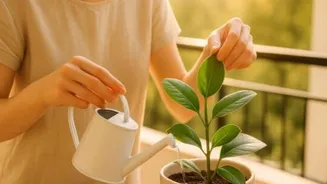
Consistent hydration is a cornerstone of successful lemongrass cultivation. The key is to water whenever the top inch of the soil feels dry to the touch. During warmer periods and periods of active growth, you might need to increase watering frequency, but always exercise caution to avoid overwatering, as this can lead to root rot. To nourish your plant and encourage vigorous growth, implement a regular feeding schedule. Fertilize your lemongrass approximately every four weeks using a balanced liquid fertilizer. Always dilute the fertilizer according to the manufacturer's instructions to prevent overwhelming the plant with excessive salts, which can damage young roots.