







Vitamin Powerhouses Compared
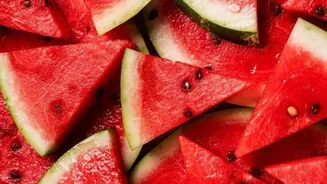
When it comes to essential vitamins, both watermelon and cantaloupe offer distinct advantages. A cup of watermelon generously provides around 21% of your
daily vitamin C needs, along with a good dose of vitamin A from beta-carotene. Cantaloupe, however, takes the lead in vitamin A, boasting approximately 109% of the daily value per cup, again thanks to its rich beta-carotene content. While cantaloupe also delivers vitamin C, it does so in smaller quantities compared to its watermelon counterpart. This means that depending on your specific vitamin goals, one might be a slightly better choice than the other.
Hydration Champions Revealed
Both of these delightful fruits are exceptional for keeping you hydrated, primarily due to their incredibly high water content. Watermelon stands out with about 92% water, making it a truly hydrating choice, especially during scorching summer days or after a strenuous workout. Cantaloupe is a close contender, offering roughly 89% water. This substantial water content in both fruits contributes to them being naturally low-calorie snacks, which can be a significant advantage for anyone looking to manage their weight effectively while enjoying a sweet treat.
Mineral Contributions Assessed
Beyond vitamins and water, let's examine the mineral content of these popular fruits. Both watermelon and cantaloupe are good sources of potassium, a mineral crucial for maintaining healthy heart function and ensuring proper muscle activity. Per cup, watermelon offers about 5% of the daily recommended intake of potassium, whereas cantaloupe provides a more significant amount, around 10%. Additionally, cantaloupe surpasses watermelon in magnesium content, a mineral vital for bone health and the body's energy production processes. These mineral differences add another layer to their nutritional comparison.
Antioxidant Benefits Explored
The antioxidant profiles of watermelon and cantaloupe offer unique health advantages. Watermelon is particularly celebrated for its lycopene content, a powerful antioxidant that has been associated with a reduced risk of certain cancers and heart disease. Cantaloupe, on the other hand, is abundant in antioxidants like beta-carotene, which plays a key role in supporting eye health and may lower the likelihood of developing macular degeneration. Together, these fruits showcase how different natural compounds contribute to overall well-being.