






Understanding Blood Disorders
Thalassaemia is a significant inherited blood condition affecting many in India, with approximately one lakh individuals diagnosed with thalassaemia major
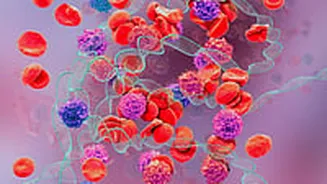
and 35 to 45 million carriers of beta-thalassaemia. This genetic disorder impedes the body's ability to produce sufficient haemoglobin, leading to symptoms like severe anaemia, chronic fatigue, stunted growth, enlarged spleen, liver, or heart, dark urine, skeletal abnormalities, and organ damage due to iron accumulation. The condition typically arises when one or both parents carry the genetic mutation. Thalassaemia presents in several forms, including alpha and beta types, with beta-thalassaemia further categorized into Major, Intermedia, and Minor, each varying in severity. Current medical management often involves regular blood transfusions, iron chelation therapy to counteract iron overload, and in some cases, bone marrow transplantation. From an Ayurvedic perspective, thalassaemia is viewed as an imbalance originating from inherent genetic factors. While it may not have a definitive cure, Ayurvedic principles focus on alleviating symptoms, reducing reliance on transfusions, and improving overall blood health through a comprehensive approach.
Herbal Remedies for Vitality
Ayurveda harnesses the power of nature to support thalassaemia patients. Ashwagandha is a key herb known for its ability to bolster the immune system and enhance overall energy levels, combating the fatigue often associated with the condition. Amla, exceptionally rich in Vitamin C and antioxidants, plays a crucial role in mitigating iron toxicity and safeguarding liver function, an organ frequently impacted by iron overload. Giloy is recognized for its stress-reducing properties and its capacity to stimulate the production of red blood cells, directly addressing anaemia. Furthermore, Triphala, a potent combination of three fruits, acts as a natural chelator, aiding the body in the elimination of excess iron and supporting digestive health. Integrating these herbs can contribute significantly to managing the multifaceted challenges presented by thalassaemia, promoting better blood quality and overall well-being through these ancient remedies.
Nourishing Diet for Health
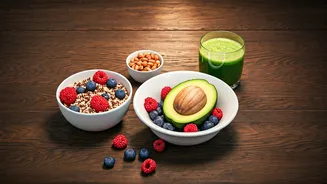
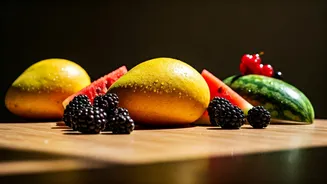
Strategic dietary choices are fundamental in managing thalassaemia, particularly for individuals undergoing regular blood transfusions. It's advisable to moderate or limit the intake of iron-rich foods to prevent an excessive build-up of iron, which can exacerbate health issues. The diet should incorporate cooling and sweet foods known to support liver health, such as coconut and strawberries, which are gentle on the system. Maintaining adequate hydration is paramount; consuming ample water and fruits with high water content is essential. To address bone health, often compromised by iron overload and the disease itself, it's important to ensure a sufficient intake of calcium and Vitamin D. This balanced approach to nutrition aims to support vital organs, manage iron levels, and strengthen the body's resilience against the complications of thalassaemia, promoting a more stable health status.
Mindful Living Strategies
Adopting a balanced lifestyle is crucial for individuals living with thalassaemia. It is important to avoid overexertion and to incorporate gentle forms of physical activity. Light yoga practices (Yogasanas), swimming, and leisurely walks are recommended to maintain physical fitness without placing undue strain on the body. Maintaining high standards of hygiene is also vital to prevent infections, which can be more challenging to combat when one's immune system is already compromised. Furthermore, it is imperative to abstain from harmful substances such as drugs, alcohol, and smoking. These can place additional stress on the liver and heart, organs that are already vulnerable due to iron overload and the effects of thalassaemia, thus preserving their function and overall health.