





Ammonia's Tumorous Fuel
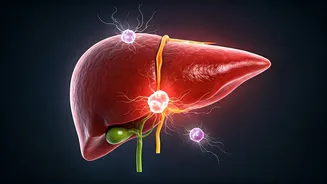
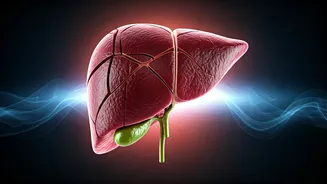
Liver tumors may find an unexpected ally in ammonia, a byproduct of protein digestion, especially when the liver is compromised and unable to efficiently
clear it. When the liver's detoxification systems falter, such as in cases of hepatitis or cirrhosis, ammonia can accumulate in the blood and tissues. This study, published in Science Advances and led by Wei-Xing Zong at Rutgers University, highlights that this buildup doesn't just represent a metabolic failure; it actively promotes tumor progression. Cancer cells exhibit a remarkable adaptability, capable of repurposing this excess ammonia into essential components for their own growth, such as DNA building blocks and proteins required for cell division. This essentially means that a bodily waste product can become a critical nutrient source for aggressive liver cancers, underscoring a complex interplay between metabolic health and cancer development. The findings point towards the body's own waste management system playing a direct role in fueling malignant growth.
Dietary Protein's Role
To investigate the impact of ammonia on liver tumors, researchers conducted experiments using mouse models predisposed to developing liver cancer. These mice were placed on diets with significantly reduced protein content. The results were compelling: a lower protein intake led to a corresponding decrease in ammonia production within the body. This reduction in ammonia directly translated to a noticeable slowdown in tumor growth across various liver cancer models. Furthermore, the mice on the restricted protein diet showed an improvement in their overall survival rates. This suggests that by moderating nitrogen intake, and consequently ammonia levels, it may be possible to create a less hospitable environment for existing liver tumors, potentially inhibiting their ability to expand and persist. This experimental evidence provides a strong rationale for exploring ammonia regulation as a novel therapeutic strategy in managing liver cancer.
Expert Caution Advised
While the findings of reduced protein intake slowing liver tumor growth are promising, the researchers emphasize that this is not a one-size-fits-all recommendation for all cancer patients. Protein is crucial for maintaining overall health, muscle mass, and strength, particularly for individuals undergoing cancer treatment. A drastic reduction in protein could inadvertently weaken a patient's ability to tolerate therapy or recover. Therefore, any consideration of dietary changes, especially those involving significant protein restriction, must be carefully managed and supervised by healthcare professionals. This is especially critical for individuals with pre-existing liver conditions such as hepatitis, fatty liver disease, or alcohol-induced liver damage, where the liver's metabolic capacity is already compromised. The study's insights are primarily derived from animal models, and further human research is necessary to fully understand the implications and safe application of these dietary strategies in clinical settings.