


Repurpose Old Containers
Give everyday items a second life by transforming them into closet organizers. Old shoeboxes, cereal boxes, or even sturdy plastic food containers can
be ingeniously repurposed to neatly store smaller items. Think about using them for socks, accessories like belts and scarves, or even small craft supplies. Before placing them in your closet, ensure they are clean and sturdy. For a more polished look, you can cover them with decorative paper or fabric. Labeling each container with clear, easy-to-read tags is a crucial step; this not only helps you quickly find what you need but also adds a touch of order. This approach not only significantly cuts down on expenses but also promotes sustainability by diverting items from landfills. Imagine neatly arranged compartments where your smaller garments and accessories reside, all thanks to discarded packaging.
Embrace Vertical Storage
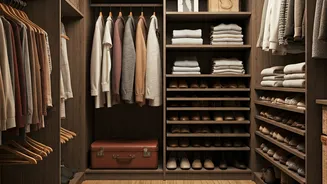
When your closet floor space is limited, looking upwards is the smartest solution. Think about the untapped potential of your closet's height. Installing a few extra, inexpensive shelves can dramatically increase storage capacity for folded clothes, bags, or even shoes. Alternatively, consider using hanging shelf organizers that can be suspended from your existing closet rod. These fabric units often come with multiple compartments, perfect for organizing sweaters, t-shirts, or shoes. For heavier items, ensure any added shelving or hanging solutions are securely fastened to the wall. This strategic use of vertical real estate allows you to store more items without making your closet feel cramped, ensuring everything remains visible and accessible.
Seasonal Clothing Rotation
Maintaining an organized closet year-round hinges on effectively managing your seasonal wardrobe. Instead of letting out-of-season clothes clutter your prime closet space, store them elsewhere. Options include using vacuum-sealed bags, which compress garments and save significant room, or clear plastic bins that stack neatly. These can be tucked away under your bed, in a less-used corner of your closet, or even in another storage area. Ensuring these items are clean before storage will prevent musty odors and potential damage. This practice not only frees up valuable hanging and shelf space for your current wardrobe but also helps preserve your clothes, keeping them in pristine condition until they're needed again.
DIY Drawer Dividers
Small items have a tendency to become jumbled in drawers, making it difficult to find what you need. The solution is surprisingly simple and incredibly cost-effective: DIY drawer dividers. All you need is some sturdy cardboard or foam board. Measure the inside dimensions of your drawers and cut the material into strips. You can create a grid system or simply divide the drawer into sections. This method is perfect for organizing socks, underwear, ties, or even small accessories like jewelry. The dividers prevent items from shifting and mixing, ensuring that each category has its designated spot. This tiny intervention can make a significant difference in the overall tidiness and functionality of your drawers.
Utilize Door Space
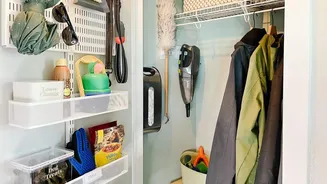
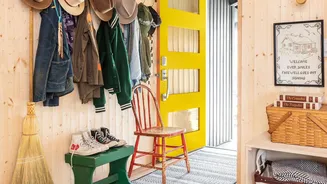
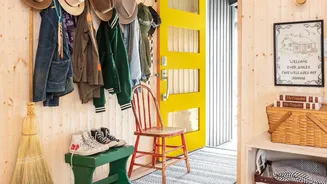
The back of your closet door is often an overlooked area that can offer a wealth of storage potential. Installing simple hooks, either adhesive or screw-in, can provide convenient hanging spots for a variety of items. Consider hanging belts, scarves, hats, or even lightweight handbags. If your door is large enough, you might even find over-the-door organizers that offer pockets or small shelves, ideal for shoes or smaller accessories. This strategy effectively utilizes dead space, keeping frequently used items easily accessible and preventing them from contributing to closet clutter. It’s a practical and unobtrusive way to expand your closet’s storage capacity without any significant cost.