






Cultural Tapestry
African jewelry is far more than mere decoration; it’s a vibrant narrative woven from culture, history, and profound artistry. Each meticulously crafted
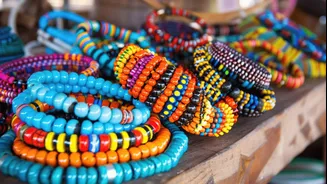
piece, whether it’s a string of vividly colored beads or an intricately fashioned metalwork, serves as a testament to the continent's incredibly diverse heritage. Understanding the deeper cultural significance embedded within these adornments can significantly enhance your appreciation for their true value. Across different regions, traditional designs often encapsulate the customs, beliefs, and social structures of the communities that create them. For instance, specific bead patterns might be integral to sacred ceremonies, while others denote social standing, marital status, or tribal affiliation. By delving into the background of a piece, you gain a richer understanding of its meaning and purpose, transforming it from a simple accessory into a meaningful artifact carrying ancestral wisdom and community identity.
Material Integrity
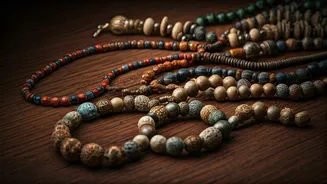
Ensuring the authenticity of African jewelry hinges significantly on recognizing the materials used in its creation. Traditional artisans often employ an array of natural elements, including various types of wood, ethically sourced bone, finely crafted clay, and robust metals. It’s crucial to be discerning and aware of synthetic alternatives that might be presented as genuine. Familiarizing yourself with the commonly utilized materials characteristic of different African regions will equip you with the knowledge to distinguish authentic pieces from imitations. For example, certain types of wood might be distinctive to West African carvings, while specific metal alloys could be prevalent in North African filigree work. This material knowledge acts as a vital tool in your quest for genuine artistry, allowing you to make informed decisions and invest in pieces that truly represent their origin.
Artisan Empowerment
Directly purchasing from local artisans offers a dual benefit: it guarantees the authenticity of the jewelry and provides crucial support to the communities that painstakingly create these stunning works of art. Many talented artisans showcase and sell their unique creations at vibrant local markets or traditional craft fairs. Engaging with them directly at these venues offers an unparalleled opportunity not only to learn firsthand about their specialized techniques and artistic inspiration but also to ensure they receive fair remuneration for their skill and labor. This direct interaction fosters a more meaningful connection to the piece you acquire, knowing that your purchase directly contributes to the livelihood and preservation of traditional craftsmanship. It’s a powerful way to invest in cultural heritage while acquiring something truly special and unique.
Ethical Commerce
When venturing into the realm of purchasing African jewelry, championing fair trade practices is paramount. These ethical frameworks ensure that the skilled artisans receive equitable compensation for their diligent efforts, and their respective communities reap the rewards of sustainable development initiatives. Seek out certifications or official labels that unequivocally confirm adherence to these fair trade principles. By doing so, you can confidently affirm that your acquisition is not only culturally resonant and artistically superior but also ethically sound, making a positive and tangible contribution to the well-being and empowerment of the individuals and communities behind these exquisite pieces. It signifies a conscious choice to support a more just and equitable global marketplace for handcrafted goods.
Value Assessment
The pricing of African jewelry can exhibit considerable variability, influenced by a confluence of factors including the intrinsic quality of the materials, the intricacy and skill of the craftsmanship, and prevailing market demand. While it is prudent to compare prices across different sources before committing to a purchase, exercise caution with offers that appear exceptionally low or too good to be true; they often signal potential discrepancies in quality or authenticity. Instead, your focus should be on achieving a harmonious balance between the piece’s inherent quality and its cost, ensuring that the price accurately reflects the true artistic and material value. This discerning approach allows you to secure genuine, high-quality pieces without overpaying, making informed and satisfying acquisitions.