


Compost Your Scraps
Transform your kitchen waste into garden gold by embracing home composting. Instead of investing in costly fertilizers, gather everyday organic discards
like vegetable peels, coffee grounds, and fruit remnants. These items, when allowed to decompose, create a rich, nutrient-dense compost that significantly enhances your soil's vitality. This practice not only slashes your gardening expenses by eliminating the need for commercial soil amendments but also provides your plants with a potent, natural boost for robust growth and development, making it a win-win for your wallet and your green thumb.
Harvest Free Rainwater
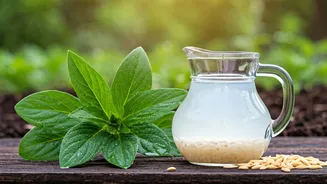
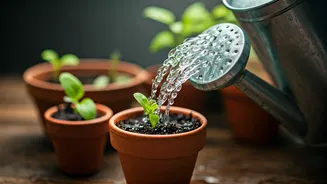
Embrace sustainable watering practices by collecting rainwater, a free and eco-conscious alternative to municipal water. Strategically place barrels or containers beneath your roof's downspouts to capture precious water during rainfall events. This collected water is not only beneficial for reducing your utility bills but also offers a pure, mineral-free hydration source for your plants. This natural irrigation method promotes healthier root development and overall plant vigor, making it an excellent and economical choice for nurturing your garden.
Propagate New Plants
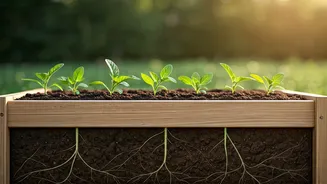
Expand your garden's greenery effortlessly and without any initial purchase cost by mastering plant propagation techniques. Select healthy specimens and take cuttings from their stems or leaves. Place these cuttings in water or suitable soil, patiently waiting for roots to establish. Once rooted, these cuttings can be transplanted as entirely new, independent plants. This method is incredibly budget-friendly, allowing you to multiply your plant collection exponentially while ensuring that your new plants are genetically identical to their parent, maintaining desired characteristics.
DIY Plant Sprays
Ditch expensive commercial pesticides and fungicides in favor of simple, homemade solutions crafted from common household items. A mixture of mild soap and water can effectively combat common plant pests, gently removing them from leaves without causing harm. For fungal issues like mildew, a simple blend of baking soda and water acts as a natural and effective deterrent. These DIY sprays provide an economical and safer approach to plant protection, keeping your plants healthy and resilient against common ailments.
Choose Native Species
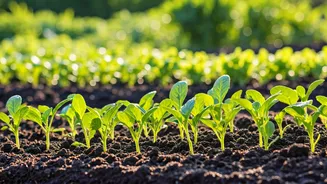
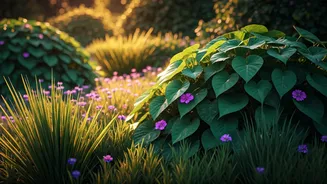
Significantly reduce your gardening expenditure and contribute to local biodiversity by prioritizing native plant species. These plants are naturally adapted to the specific environmental conditions of your region, including climate, soil type, and rainfall patterns. Consequently, they demand less artificial care, require fewer resources like water and fertilizer, and exhibit greater inherent resistance to local pests and diseases. This resilience translates directly into cost savings and less labor, while simultaneously fostering a more robust and self-sustaining garden ecosystem.