





The Kani Ritual Explained
Puthandu, the Tamil New Year, commencing on April 14th, is ushered in with a deeply significant morning observance known as 'kani.' This practice involves
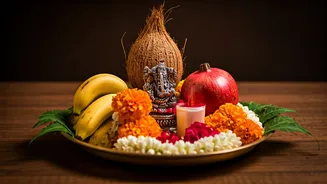
the meticulous arrangement of a kani tray, intended to be the very first sight of the day, thereby shaping the year's trajectory. Families lovingly assemble an array of items symbolizing prosperity, abundance, and good fortune, fostering an atmosphere of gratitude and optimism. The underlying belief is that beholding a well-prepared kani predicts a year filled with harmony and success. Each component is imbued with meaning: vibrant yellow blossoms like marigolds or 'kanikonna' signify wealth, while rice embodies the bounty of harvests and stability. A mirror is included to reflect prosperity back into one's life, and fruits alongside coconuts represent sustenance and nourishment. The act of preparing the kani transcends mere decoration; it is a practice steeped in mindfulness, intention, and a profound respect for ancestral traditions, ultimately fostering a tranquil commencement to the New Year and strengthening familial ties to cultural heritage.
Essential Kani Items
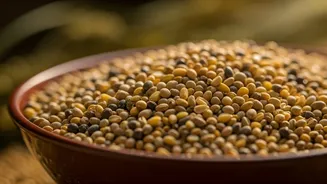
To construct a truly auspicious Puthandu kani, gather a collection of items that collectively symbolize wealth, health, and overall abundance. At the core of this arrangement are specific fruits renowned for their sweetness and association with prosperity, including the luscious mango, the ever-present banana, and the regal jackfruit. Complementing these are the vibrant hues of yellow flowers, such as marigolds or the striking 'kanikonna' blossoms, which add visual appeal and spiritual significance. Essential grains like rice are a must, representing the sustenance and stability derived from the earth's bounty. Coconuts, revered for their purity and life-giving properties, are also a key inclusion. Furthermore, traditional elements like betel leaves and areca nuts, often used in auspicious ceremonies, are incorporated. To signify material prosperity, coins and even small pieces of jewelry or currency notes are often added, ensuring a comprehensive representation of good fortune.
Arranging the Tray
The careful placement of each element on the kani tray is crucial for creating a balanced and aesthetically pleasing display. Begin with a sturdy base, traditionally a brass 'uruli' or a similarly robust tray, which provides a stable foundation. Next, spread a generous layer of rice grains across the base, creating a soft, welcoming bed for the subsequent items. Position the chosen fruits prominently at the center of the tray, ensuring they are arranged in a visually appealing manner. Tuck the yellow flowers around and between the fruits, their bright colors acting as a beautiful frame. Next, integrate the wealth items—coins, jewelry, or currency—placing them thoughtfully near the mirror or artfully over the rice. The arrangement should aim for a sense of balance and harmonious color distribution, ensuring that no single element overwhelms the others. This deliberate layout enhances the symbolic representation of abundance and good fortune.
Sacred Setting & Ambiance
Beyond the kani tray itself, the surrounding environment plays a vital role in enhancing the ritual's sacredness and its intended impact. Position a traditional brass lamp directly in front of the kani tray; this lamp should be lit just before the first viewing of the kani, casting a warm, inviting glow. Often, an idol or an image of the Hindu deities Lakshmi, the goddess of wealth, or Vishnu, considered the preserver, is placed behind the kani arrangement. This placement signifies divine blessings and protection for the household. The mirror, a key component of the kani, is strategically placed to reflect the entire setup—the lamp, the deities, and the arranged items. This reflection is believed to amplify the feelings of abundance and positivity within the space, creating a holistic and spiritually uplifting atmosphere for the commencement of the New Year.