


Thepla's Tender Embrace
Thepla is a quintessential Gujarati flatbread, offering a delightful combination of textures and flavors. Typically made from wheat flour, fenugreek leaves
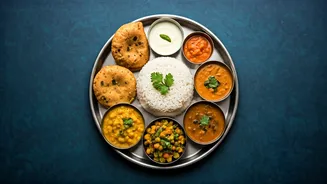
(methi), and various spices, thepla is known for its soft and slightly chewy texture. The addition of methi leaves contributes a subtle bitterness that balances the warmth of the spices. This versatile bread is often enjoyed with yogurt, pickles, or a simple vegetable sabzi. Thepla is a popular choice for travel and picnics due to its ability to stay fresh for several days, making it a convenient and delicious option for those on the move. Its adaptability allows for variations, with some recipes adding ingredients like ginger-garlic paste or ajwain seeds for added depth of flavor, catering to individual preferences and regional differences in Gujarati households.
Undhiyu's Earthy Charm
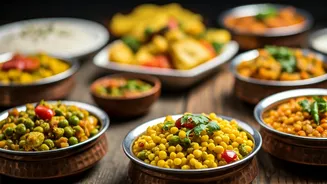
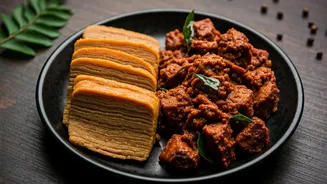
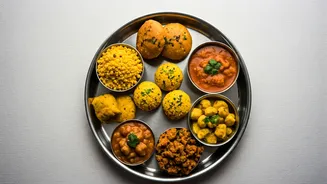
Undhiyu is a seasonal vegetable casserole, deeply rooted in Gujarati culture, primarily enjoyed during winter. The name 'Undhiyu' comes from the word 'undhu,' meaning upside down, referring to the traditional cooking method where the dish is cooked in earthen pots, inverted underground. This slow cooking process allows the vegetables, including brinjals, potatoes, and various beans, to absorb rich, aromatic spices. The vegetables are marinated in a flavorful blend of coriander, green chilies, and ginger-garlic paste. Its complex flavors, with a hint of sweetness and warmth, make Undhiyu a delightful experience. Undhiyu is often served with hot puris or rotis, providing a complete and satisfying meal, and is an integral part of Gujarati festivals and celebrations.
Dhokla's Airy Delight
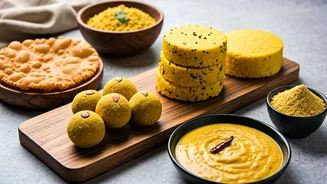
Dhokla, a steamed savory cake, exemplifies the light and fluffy textures of Gujarati cuisine. Typically made from fermented batter of rice and chickpeas (chana dal), it offers a tangy and subtly sweet taste. The fermentation process is key to dhokla’s characteristic airy texture, which contributes to its lightness. Once steamed to perfection, dhokla is often tempered with mustard seeds, curry leaves, and green chilies for an extra layer of flavor and aroma. Variations include Khaman Dhokla, made with besan (gram flour), which has a slightly different texture and taste. Dhokla is enjoyed as a snack or a light meal, served with a sweet chutney or green coriander chutney, and often garnished with fresh coriander leaves and grated coconut, contributing to its refreshing appeal.
Khandvi's Delicate Rolls
Khandvi is a delicate, bite-sized snack showcasing Gujarati culinary artistry. These rolled delights are made from a batter of gram flour (besan) and buttermilk, which is cooked until it thickens and spreads thinly on a surface. Once cooled and set, the batter is cut into strips and rolled, creating elegant and visually appealing pinwheels. A tempering of mustard seeds, curry leaves, and sesame seeds enhances the flavor profile. Garnishing with freshly grated coconut and coriander leaves further elevates the taste and presentation of khandvi. Khandvi is popular at social gatherings, and the process of making it, though time-consuming, is often a shared endeavor, making it a cherished family tradition.
Dal Dhokli's Heartiness
Dal Dhokli is a comforting one-pot meal that combines the heartiness of lentils (dal) with the satisfying texture of wheat flour dumplings (dhokli). The dhokli, small pieces of wheat flour dough, is simmered in a flavorful lentil-based broth, allowing the flavors to meld beautifully. The lentil base, typically made with toor dal (split pigeon peas), is seasoned with spices like turmeric, cumin, and coriander. The cooking time of this dish allows the dhokli to absorb the flavors, creating a dish with a unique combination of textures. Dal Dhokli is a complete meal, providing protein from the lentils and carbohydrates from the dhokli, and is a staple in many Gujarati households, providing a warm and fulfilling experience.
Handvo's Savory Cake
Handvo is a savory vegetable cake, often baked or cooked in a pan, and offering a blend of flavors and textures. The batter typically includes a mix of lentils and rice, along with various vegetables like bottle gourd, carrots, and spinach. The fermentation process adds a subtle tanginess that complements the savory nature of the dish. The vegetables incorporated provide a burst of freshness and variety. Handvo is usually seasoned with green chilies, ginger, and spices, enhancing its aromatic profile. The texture of Handvo can vary from slightly soft to crispy, depending on the cooking method, making it a versatile option for any mealtime. It’s often served with a green chutney, offering a refreshing contrast.
Fafda-Jalebi: Sweet & Savory
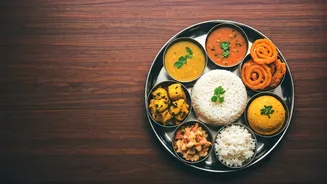
Fafda-Jalebi, a classic pairing, symbolizes the unique blend of Gujarati tastes. Fafda, a crispy, savory snack, is made from gram flour (besan) and spices, fried to golden perfection. It is served with a side of chutney, typically made from green chilies and mustard seeds. Jalebi, on the other hand, is a sweet treat made from deep-fried batter coils, soaked in sugar syrup, resulting in a crispy exterior and a syrupy interior. This combination provides a delightful contrast between the savory and the sweet. Fafda-Jalebi is a popular breakfast choice, especially during festivals or celebrations, showcasing the Gujarati love for contrasting flavors and textures and is considered an iconic culinary experience.
Methi Muthiya's Flavor
Methi Muthiya showcases the use of fenugreek leaves (methi) in Gujarati cuisine. Muthiya are steamed or fried dumplings, and they often include whole wheat flour, besan, and methi leaves as the primary ingredients. The addition of methi provides a slight bitterness, complementing the other spices. Muthiya are seasoned with ginger-garlic paste and other flavorful spices. The process involves gently mixing and shaping the dough into small, cylindrical shapes, which are then steamed or fried to achieve their desired texture. They are typically enjoyed as a snack or a side dish. The use of methi not only adds a unique taste but also contributes to the nutritional value, making it a healthy option.
Basundi's Creamy Indulgence
Basundi is a rich, creamy dessert, often enjoyed during festivals and special occasions in Gujarat. It is made by simmering milk on low heat until it thickens, reducing to a dense, milky consistency. The process enhances the natural sweetness of the milk and allows for the development of a complex flavor profile. This slow cooking allows the milk to concentrate, resulting in a rich, pudding-like consistency. It is commonly flavored with cardamom, saffron, and nuts such as almonds and pistachios. This dessert is known for its smooth texture and aromatic taste, offering a delightful end to a Gujarati meal. Basundi can be served hot or cold and is often paired with puri or other fried breads.