




Tai Chi's Gentle Flow
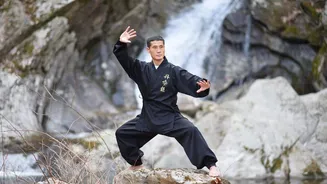
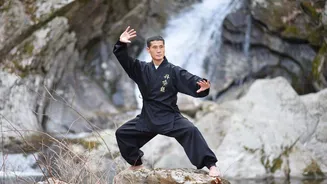
Often described as a moving meditation, Tai Chi's essence lies in its deliberately slow, graceful movements that synchronize with deep, mindful breathing.
This practice cultivates present moment awareness, drawing attention to posture and breath, which in turn significantly helps in diminishing feelings of anxiety and enhancing mental clarity. Consistent engagement with Tai Chi has been observed to contribute to a reduction in blood pressure and a general uplift in an individual's sense of overall well-being, making it a holistic approach to mental and physical harmony.
Swimming's Rhythmic Calm
Swimming offers a uniquely rhythmic physical activity that can induce a meditative state. The repetitive nature of swimming strokes, coupled with the sensation of being enveloped by water, provides a potent combination for clearing the mind and effectively lowering stress levels. Furthermore, the physical exertion during swimming triggers the release of endorphins, the body's natural mood elevators, contributing to a more positive emotional state. The water's gentle resistance also provides a low-impact yet comprehensive workout, adept at alleviating muscle tension.
Social Connection Boost
Both Tai Chi and swimming present excellent avenues for social engagement, an often underestimated yet powerful tool in stress management. Participating in a Tai Chi class or joining a swimming club allows individuals to connect with like-minded people, fostering a sense of community and shared interest. This social interaction is vital for mental health, as it cultivates supportive networks and combats feelings of loneliness and isolation, thereby contributing to a greater sense of belonging and emotional resilience.
Accessibility Factors
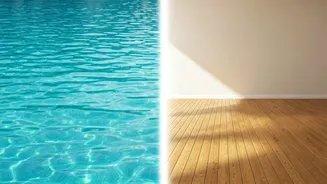
When considering accessibility for stress relief, both Tai Chi and swimming present different advantages. Tai Chi can be conveniently practiced either indoors or outdoors, adapting to any weather conditions and requiring minimal space or specialized equipment, making it highly accessible. Swimming, while necessitating access to a pool or a natural body of water, offers flexibility in terms of scheduling sessions at various times throughout the day, allowing individuals to integrate it into their routines based on personal convenience.