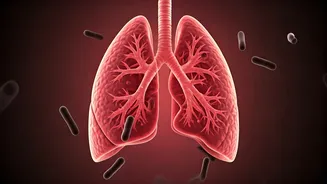







The Hidden Spread
Tuberculosis has a knack for presenting itself late, with nearly 60% of affected individuals delaying seeking medical attention. The initial signs, such
as a persistent cough, mild fever, unexplained weight loss, and nocturnal sweating, are often overlooked in busy public health settings. India bears a substantial global burden, accounting for one in every four TB infections worldwide by 2024. This statistic represents not just a number, but a series of missed opportunities for early detection and intervention, allowing the disease to gain a foothold and spread widely. Historically, TB was a formidable and often fatal illness. Today, factors like overcrowding, poor ventilation, and limited financial resources create fertile ground for the bacteria to proliferate. Furthermore, compromised immune systems due to malnutrition make individuals more susceptible to succumbing to latent infections. The landscape of TB transmission has also evolved, with modern lifestyle choices such as smoking, alcohol consumption, uncontrolled diabetes, and HIV infection playing increasingly significant roles in its prevalence and severity.
Obstacles to Treatment
Navigating the healthcare system for TB treatment can be a complex journey. Many individuals initially seek care from private practitioners, moving between different doctors before receiving a definitive diagnosis. Each delay in identification allows the disease to progress unchecked, exacerbating the condition and complicating recovery. The economic impact is also profound, with treatment costs acting as a significant deterrent for many. This financial strain, coupled with misinformation and deep-seated cultural beliefs, contributes to the delay in seeking care. Myths persist, such as the idea that TB spreads through physical touch rather than airborne droplets, and that sharing food transmits the disease, leading to stigma that prevents individuals from coming forward for necessary medical help. The cycle of delayed diagnosis and prolonged treatment results in more severe illness, demanding more aggressive medical interventions and extended recuperation periods.
Who is Most Affected?
The burden of Tuberculosis disproportionately affects adults during their most productive years, with males over the age of fifteen being particularly vulnerable, a pattern consistently highlighted by the World Health Organization. However, biological factors alone do not fully explain this disparity. The patterns of who seeks treatment, who delays, and who goes undetected are deeply intertwined with societal and individual circumstances. National health statistics in India frequently show higher rates of TB among older individuals, men, and those struggling with nutritional deficiencies, tobacco use, or diabetes. These consistent trends underscore the complex interplay between lifestyle choices, underlying health conditions, and the susceptibility to TB. The silent spread of the disease continues through densely populated areas and crowded healthcare facilities when timely help remains an exception rather than the norm, demonstrating that combating TB requires more than just medical treatment; it involves addressing behavioral patterns, personal choices, and societal perceptions of illness.