







Understanding Uric Acid
Uric acid is a naturally occurring waste product in the body, created when purines, found in certain foods, break down. High levels of uric acid can lead
to a condition known as hyperuricemia, which, if left untreated, can result in the formation of urate crystals. These crystals can accumulate in joints, causing gout, characterized by severe pain, inflammation, and stiffness. Other conditions related to elevated uric acid levels include kidney stones, potentially leading to kidney damage. A combination of dietary adjustments and lifestyle changes, including specific yoga asanas recommended by Swami Ramdev, can help manage uric acid levels.
Yoga's Role in Relief
Yoga, as advocated by Swami Ramdev, is a holistic practice that emphasizes physical postures (asanas), breathing techniques (pranayama), and meditation to promote overall health. Certain asanas are believed to specifically benefit individuals experiencing high uric acid and related joint pain. Regular practice of yoga can improve blood circulation, reduce inflammation, and enhance kidney function. The gentle movements in yoga help to lubricate the joints, reducing stiffness and promoting flexibility. Furthermore, the focus on mindful breathing in yoga can help manage stress, often a contributing factor to pain.
Asanas for Joint Health
Swami Ramdev recommends specific yoga asanas to alleviate joint pain and improve kidney function. Tadasana (Mountain Pose) is a fundamental pose that improves posture and balance, laying the groundwork for other asanas. Trikonasana (Triangle Pose) helps to stretch the muscles and improve flexibility. Vakrasana (Twisting Pose) aids in detoxifying the body and stimulating the kidneys. Pawanmuktasana (Wind-Relieving Pose) can help reduce pain and release trapped gases. Regular practice, coupled with proper breathing, can reduce uric acid levels. It is important to perform the asanas under the guidance of a qualified yoga instructor.
Yoga and Kidney Function
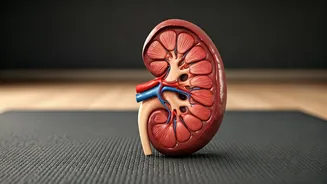
Kidney function plays a crucial role in regulating uric acid levels. The kidneys filter uric acid from the blood, which is then eliminated through urine. When kidney function is compromised, uric acid levels can rise. Swami Ramdev suggests that certain yoga asanas can improve kidney function and promote overall well-being. These asanas may help to stimulate the kidneys, improving their ability to filter and eliminate waste products. Regular yoga practice can support the kidneys' natural detoxification processes. It's important to consult with a healthcare professional to determine if yoga is suitable.
Beyond Asanas: Lifestyle
While yoga asanas are a vital part of Swami Ramdev's recommendations, they are even more effective when combined with a holistic lifestyle. This includes dietary modifications, such as reducing the intake of foods high in purines. Adequate hydration is also crucial for flushing out excess uric acid. Incorporating stress-reducing techniques like meditation and deep breathing exercises can further support joint health. Staying active, maintaining a healthy weight, and avoiding excessive alcohol consumption are additional lifestyle changes that can help to manage uric acid levels and promote overall well-being. It is recommended to combine these practices with proper rest and sufficient sleep.