
Introduction to Gujarat
Gujarati cuisine is renowned for its unique blend of sweet, spicy, and tangy flavors. The state of Gujarat, located in western India, is known for its vegetarian
dishes, utilizing a variety of vegetables, pulses, and grains. The cooking methods often emphasize the use of fresh ingredients and minimal oil, making the dishes both tasty and healthy. Key ingredients include lentils (dals), vegetables, rice, and a variety of spices. Gujarati meals often feature a balanced plate with multiple dishes, creating a satisfying and nutritious dining experience. The cuisine showcases the rich cultural heritage and agricultural diversity of the region, offering a delightful culinary journey. Whether you are a local or a visitor, Gujarati food promises a satisfying and flavorful experience, and most of all, a healthy one. The dishes are designed to be enjoyed by all and are often catered to different dietary needs.
Dhokla: The Steamed Delight
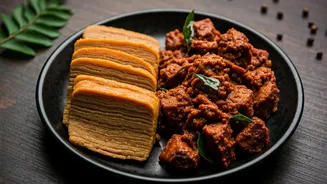
Dhokla is a popular Gujarati snack made from fermented batter, typically comprising of gram flour. This batter is steamed, creating a light, fluffy, and spongy texture. It's often seasoned with mustard seeds, green chilies, and coriander leaves. Dhokla is not only delicious but also relatively low in calories and rich in protein due to the gram flour base. Several varieties exist, including Khaman Dhokla (made with gram flour) and Rava Dhokla (made with semolina), each with a slightly different taste and texture. The fermentation process enhances the nutritional value and aids digestion. Served with a tangy chutney, dhokla makes for a perfect breakfast or snack option. Its versatility and ease of preparation have made it a favorite across India and beyond. Dhokla also serves as a great example of the Gujarati focus on healthy and enjoyable snacks that are easy to incorporate into any diet.
Thepla: A Flatbread Staple
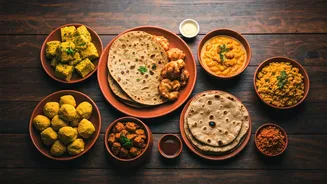
Thepla is a soft, flavorful flatbread that is a staple in Gujarati households. Made from wheat flour, it often includes fenugreek leaves (methi) or other vegetables, herbs, and spices. Thepla is typically pan-fried with a small amount of oil, making it a relatively healthy option compared to deep-fried snacks. It is frequently eaten with yogurt, pickles, or a spicy vegetable curry. The inclusion of methi not only adds flavor but also offers several health benefits. Thepla is a convenient and nutritious option for breakfast, lunch, or even a travel snack. It is known for its versatility and can be enjoyed warm or cold. The different spices and herbs provide various flavors, allowing for a diverse range of taste profiles, depending on the preference. Thepla’s simplicity and nutritional value have solidified its place as a beloved part of Gujarati cuisine.
Undhiyu: A Winter Specialty
Undhiyu is a mixed vegetable dish, popular during the winter season. It is traditionally cooked upside down in earthen pots (matlu), which infuses the vegetables with a unique smoky flavor. The dish typically contains a variety of seasonal vegetables such as potatoes, eggplants, beans, and root vegetables. It is flavored with spices and often includes muthiyas (vegetable dumplings). Undhiyu is a hearty and flavorful dish, rich in vitamins and nutrients. The cooking process is slow, which allows the flavors to meld beautifully, creating a complex and satisfying taste. Undhiyu often includes a mix of vegetables, so the nutritional value is high. The use of seasonal ingredients ensures that it's always fresh and delicious. It is a celebratory dish, often eaten at special occasions and family gatherings during the winter season, showing its cultural significance.
Handvo: Savory Cake Delight
Handvo is a savory cake made from a batter of lentils, rice, and vegetables. It is baked or pan-fried until golden brown and crispy on the outside. Common vegetables include bottle gourd, carrots, and spinach. Spices like ginger, green chilies, and coriander add a depth of flavor. Handvo is a balanced dish, combining complex carbohydrates, protein, and vegetables. It's often served with green chutney or yogurt, making it a wholesome meal or snack option. This dish demonstrates the creativity of Gujarati cuisine, transforming simple ingredients into a delicious and healthy treat. Its baking process keeps the oil content lower compared to fried foods, making it a good choice for those prioritizing health. The vegetables add fiber and vitamins, enhancing the dish’s nutritional profile.
Khichdi: Comforting Meal
Khichdi is a simple yet nutritious dish made from rice and lentils. It is a comfort food in Gujarat, often consumed when one is unwell or simply needs a light meal. The dish is easy to digest and is often seasoned with cumin seeds, turmeric, and asafoetida. Various versions of khichdi exist, allowing for customization with vegetables or spices. Khichdi is a complete protein and provides a good source of carbohydrates and fiber. It's often served with yogurt or ghee, which adds flavor and healthy fats. It is versatile, easy to prepare, and gentle on the stomach. The simple ingredients and preparation methods make it a staple in many households, embodying the principle of healthy eating with minimal fuss. Khichdi's simplicity makes it a wholesome option for all ages.
Dal Dhokli: A Hearty Bowl
Dal Dhokli is a wholesome dish that combines the goodness of dal (lentils) with dhokli, which are wheat flour dumplings. The dhokli is simmered in a flavorful dal, which absorbs the flavors and adds a unique texture. The dish typically includes toor dal (split pigeon peas) and is seasoned with spices like turmeric, coriander, and cumin. It is a complete meal, providing protein, carbohydrates, and essential nutrients. It is often served with a garnish of coriander leaves and a dollop of ghee. The combination of textures and flavors makes it a delightful and satisfying dish. Dal Dhokli is another example of a balanced meal, highlighting the Gujarati emphasis on wholesome eating. Its richness in protein and fiber makes it a fulfilling meal that helps maintain energy levels throughout the day.
Gujarati Kadhi: A Tangy Soup
Gujarati Kadhi is a tangy and creamy soup made from yogurt and gram flour (besan). It's seasoned with spices like ginger, chilies, and curry leaves. The dish has a slightly sour taste due to the yogurt and is often paired with rice or khichdi. Kadhi is a light and easily digestible dish, making it a good accompaniment to heavier meals. It can be made with or without vegetables, adding to its versatility. The use of yogurt provides probiotics, which aids digestion and promotes gut health. Gujarati Kadhi is a refreshing and nutritious addition to any meal, perfectly showcasing the balance of flavors in the cuisine. Its simple ingredients and preparation make it easy to make at home and can be enjoyed year-round. It is not only delicious but also known for its potential health benefits, emphasizing the health-conscious approach of Gujarati cooking.
Fafda-Jalebi: Sweet Treat
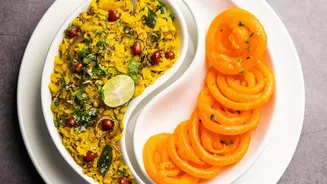
Fafda-Jalebi is a popular combination of a savory snack (fafda) and a sweet treat (jalebi), commonly enjoyed as a breakfast item. Fafda is a crispy, deep-fried snack made from gram flour, while jalebi is a spiral-shaped sweet made from fermented batter. The combination offers a delightful contrast of textures and flavors. While not the healthiest option, this duo is a beloved part of Gujarati culture and offers a treat in moderation. The pairing is a testament to the Gujarati love for balance, enjoying both savory and sweet items. It's often eaten on festive occasions. The occasional indulgence of this combination is a testament to the overall approach to food, which considers both taste and cultural significance. Enjoying Fafda-Jalebi can be part of a balanced diet when consumed in moderation.