







The Asian Indian Phenotype
Type 2 diabetes is a significant health challenge in India, influenced by genetics, lifestyle changes, and dietary habits. Notably, Indians tend to develop
this condition at a younger age and with a lower body mass index compared to Western populations. This is often attributed to the 'Asian Indian phenotype,' characterized by a higher accumulation of visceral fat, particularly around the abdomen. This increased abdominal fat plays a crucial role in developing insulin resistance, a key factor in the onset of Type 2 diabetes. Understanding this unique predisposition is vital for proactive health management within the Indian population, emphasizing the need for early detection and intervention strategies tailored to these specific risk factors and physiological characteristics.
Overlooked Early Warnings
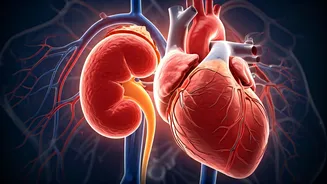
Many individuals dismiss the initial signs of Type 2 diabetes, mistaking them for common ailments or general fatigue, which can lead to delayed diagnosis and increased risk of serious complications like heart disease, kidney damage, and nerve problems. Paying close attention to subtle physiological changes is paramount. For instance, frequent nighttime urination, often attributed to other issues, can be a sign of elevated blood sugar drawing fluids out. Persistent drowsiness after meals, especially those rich in refined carbohydrates common in Indian diets, might indicate blood sugar spikes. Unexplained excessive thirst, even after consuming ample fluids, can signal high glucose levels causing cellular dehydration, particularly noticeable in India's warm climate. Recognizing these nuances is the first step towards timely medical intervention and improved long-term health outcomes.
Physical Indicators to Watch
Several physical manifestations often go unnoticed as early indicators of Type 2 diabetes. Slow-healing wounds or recurrent infections, such as boils or yeast infections, can point to compromised circulation and immunity, especially in those with a family history. Dark, velvety skin patches, known as acanthosis nigricans, appearing on the neck, armpits, or knuckles are frequently mistaken for hygiene issues but are actually linked to insulin resistance, affecting a significant portion of urban Indians. Sudden, unexplained weight loss of 5-10 kg or a noticeable increase in waist circumference (above 90 cm for men, 80 cm for women) are also critical signs. Furthermore, fluctuating vision or a tingling sensation in the feet can indicate early nerve or retinal damage caused by elevated blood sugar levels, underscoring the importance of regular eye and foot check-ups.
Metabolic and Sensory Clues
Beyond visible skin changes, several metabolic and sensory changes can signal the onset of Type 2 diabetes. Experiencing persistent hunger shortly after a meal, typically within one to two hours, suggests that your body's insulin response isn't effectively allowing cells to absorb glucose for energy. Similarly, dry, irritated skin or persistent gum problems, like swelling or bleeding, may indicate underlying inflammation linked to high blood glucose levels. These symptoms, coupled with a family history of diabetes and the presence of central obesity, increase vulnerability. Indians with a history of diabetes in their family may develop the condition up to a decade earlier than the global average, making preventative screening and awareness of these subtle signs especially crucial for this demographic.
Immediate Action Steps
When you suspect you might be experiencing early signs of Type 2 diabetes, a structured approach can help. Start by maintaining a seven-day symptom diary to track any recurring issues, noting details about frequency and severity. A home glucometer test for fasting blood sugar, aiming for below 100 mg/dL, can provide initial insights. If you identify two or more of the discussed symptoms, consulting a doctor for a definitive HbA1c test is highly recommended. Beyond medical checks, adopting practical lifestyle adjustments is key; consider incorporating millet-based rotis into your diet and aim for a 30-minute daily walk. Early recognition and proactive management are powerful tools in slowing diabetes progression and mitigating long-term complications.