




The Mythical Rule
The long-standing advice to consume eight glasses of water daily is a popular notion, but it lacks robust scientific backing. Experts generally agree that
there isn't a singular, universal recommendation for fluid intake that applies to everyone. Individual requirements for hydration are far more nuanced and are influenced by a multitude of personal factors. This widespread, yet often unsupported, guideline has led to confusion about our actual water needs, prompting a deeper look into what science suggests for staying adequately hydrated. It's time to move beyond simplistic advice and embrace a more personalized approach to fluid consumption.
Personalized Hydration Factors
Your body's fluid requirements are remarkably dynamic, adjusting based on several key influences. Vigorous physical activity, for instance, significantly increases fluid loss through perspiration, necessitating greater intake. Similarly, living in hot or humid climates demands more fluids to regulate body temperature and compensate for sweat. Illnesses such as fever or gastrointestinal issues like diarrhea can also elevate your body's fluid needs. For women, the periods of pregnancy and breastfeeding introduce additional hydration demands. These individual circumstances highlight why a generic daily target often falls short of meeting everyone's unique physiological requirements for maintaining optimal bodily function and health.
Gender-Specific Fluid Needs
When considering general fluid consumption, notable differences emerge between men and women. Research from health authorities like the Mayo Clinic suggests distinct daily intake targets. Men are generally advised to aim for approximately 3.7 liters of total fluids each day. In contrast, women are typically recommended to consume around 2.7 liters of fluids daily. It's crucial to understand that these figures encompass all sources of fluid, not solely plain water. A significant portion, roughly 20% of our daily fluid intake, is often derived from the foods we eat, particularly those with high water content like fruits and vegetables.
Beyond Plain Water
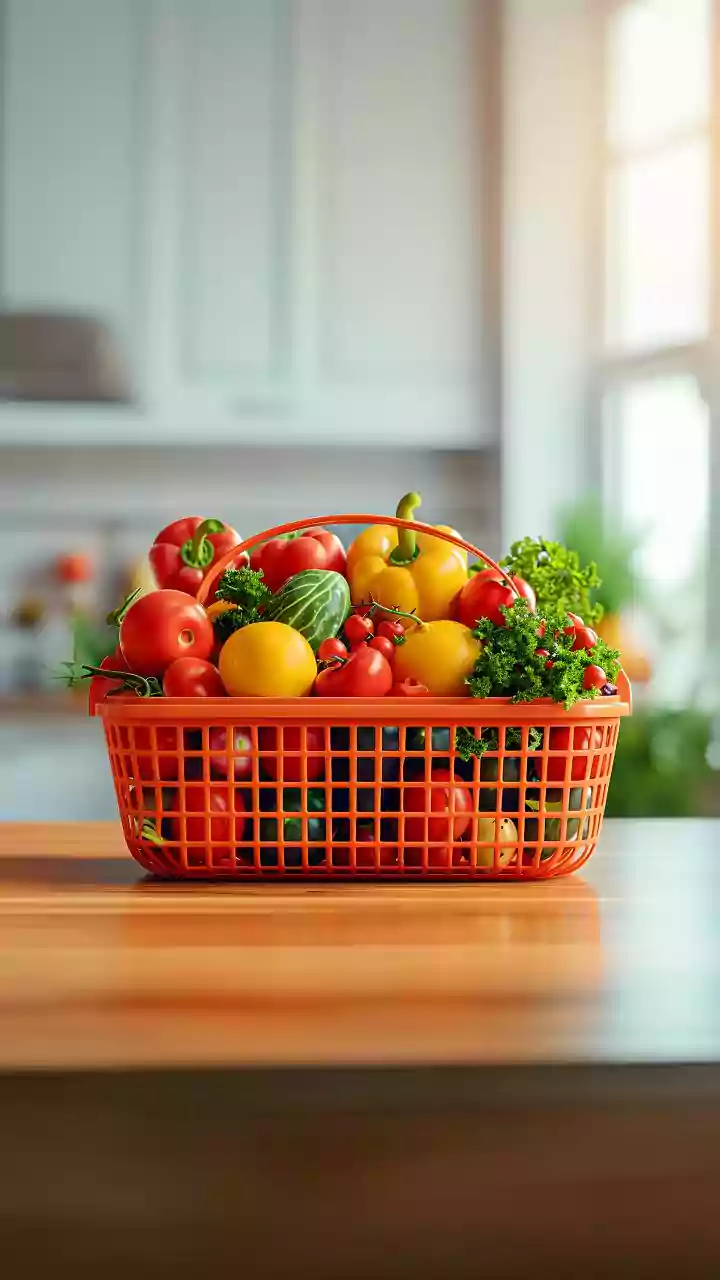
The contribution to your overall hydration picture extends well beyond just drinking plain water. Various beverages, including tea, coffee, milk, and fruit juices, all play a role in meeting your fluid needs. Experts emphasize that these drinks count towards your daily intake. Furthermore, a substantial amount of daily hydration is sourced from the foods we consume. Fruits and vegetables, with their naturally high water content, are excellent contributors to keeping you well-hydrated. Therefore, a holistic approach that considers both beverages and water-rich foods provides a more accurate understanding of your total fluid consumption.
Listening to Your Body
While the general advice is to drink fluids consistently throughout the day, the sensation of thirst remains a valuable indicator. For most healthy individuals, paying attention to their body's natural cues is often sufficient for maintaining adequate hydration. Rather than rigidly adhering to arbitrary quantities, health professionals suggest relying on simple, observable signs. Two key indicators of proper hydration are rarely experiencing thirst and observing that your urine is consistently colorless or a very pale yellow hue. These signals are generally reliable indicators that your body is receiving sufficient fluids to function optimally.
Recognizing Overhydration
Though less common than dehydration, consuming too much water can lead to a serious condition called hyponatraemia, where the body's electrolyte balance is dangerously diluted. Early manifestations of this can be subtle, often mistaken for mere fatigue. Symptoms may include feelings of nausea, headaches, confusion, and general bloating. As the condition escalates, it can manifest as muscle weakness, cramps, heightened irritability, and difficulty concentrating. In severe instances, excessive water intake can disrupt normal brain function, leading to vomiting, seizures, and even loss of consciousness, underscoring the importance of balanced hydration.