





Stronger Foot Foundation
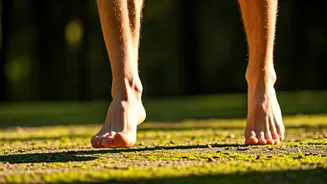
When you run without the support of traditional shoes, your feet engage in a more profound way. This natural interaction stimulates and strengthens the smaller,
intrinsic muscles within your feet that often become underutilized when wearing cushioned footwear. This increased muscular development leads to a more robust arch structure and greater stability underfoot. Consequently, common issues like plantar fasciitis and conditions associated with fallen arches can be mitigated. Furthermore, a more resilient foot structure contributes significantly to an improved sense of balance and better overall coordination during movement.
Heightened Body Awareness
Proprioception, the sophisticated sense that allows your body to understand its position and movement in space, is significantly amplified through barefoot running. By establishing direct sensory connection with the ground beneath you, your feet receive a wealth of information about texture, temperature, and terrain. This constant stream of sensory input sharpens your ability to make subtle, rapid adjustments to your stride and body alignment. This enhanced awareness acts as a natural protective mechanism, reducing the likelihood of injuries that stem from awkward landings or misjudged steps on uneven surfaces.
Natural Running Posture
The absence of shoes encourages a more biomechanically sound way of running. Without the exaggerated cushioning that often leads to a heel-striking pattern, barefoot runners naturally adopt a midfoot or forefoot strike. This shift in landing mechanics promotes a more upright and aligned running posture, which in turn alleviates undue pressure on the knees and hips. Over time, this harmonious alignment can play a crucial role in preventing or alleviating chronic joint discomfort and pain associated with running.
Supple Feet and Ankles
Running in minimal or no footwear allows your feet and ankles to move with uninhibited freedom. Each stride encourages a natural flexion and extension, promoting greater suppleness and a wider range of motion. This increased flexibility helps to combat the stiffness that can develop from restrictive shoes, leading to more agile movement. Runners often find that this enhanced mobility translates to less fatigue and discomfort, particularly during extended running sessions, and an overall boost in their agility on the move.
Reduced Joint Stress
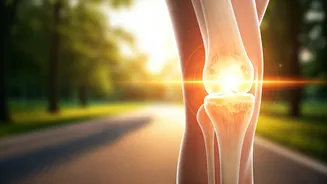
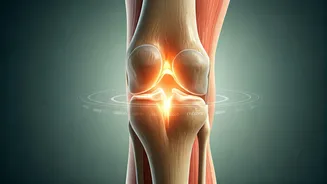
A key advantage of running barefoot is its effect on joint impact. The natural mechanics involved encourage a softer landing, allowing your body to absorb shock in a more organic fashion. Runners often adopt a slightly bent knee position and a more upright posture, which facilitates this natural shock absorption. Instead of relying on artificial cushioning, the body's own intricate system of muscles and tendons works to dissipate impact forces, potentially leading to a significant reduction in the cumulative stress placed upon your joints over time.