






DIY Oil Changes
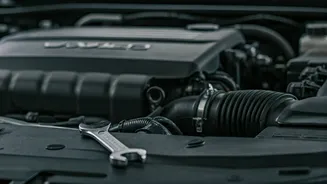
Keeping your engine lubricated is paramount for its longevity and performance, and this critical task can be significantly cheaper when performed at home.
Instead of relying on professional service stations, purchase the appropriate oil filter and the correct grade of engine oil for your specific vehicle model. The combined cost of these supplies will likely be less than a single professional oil change. Aim to complete this maintenance every 5,000 kilometers, or adhere to your car manufacturer's recommended interval, to guarantee your engine operates at its peak efficiency and remains in prime condition for years to come.
Tire Care Essentials
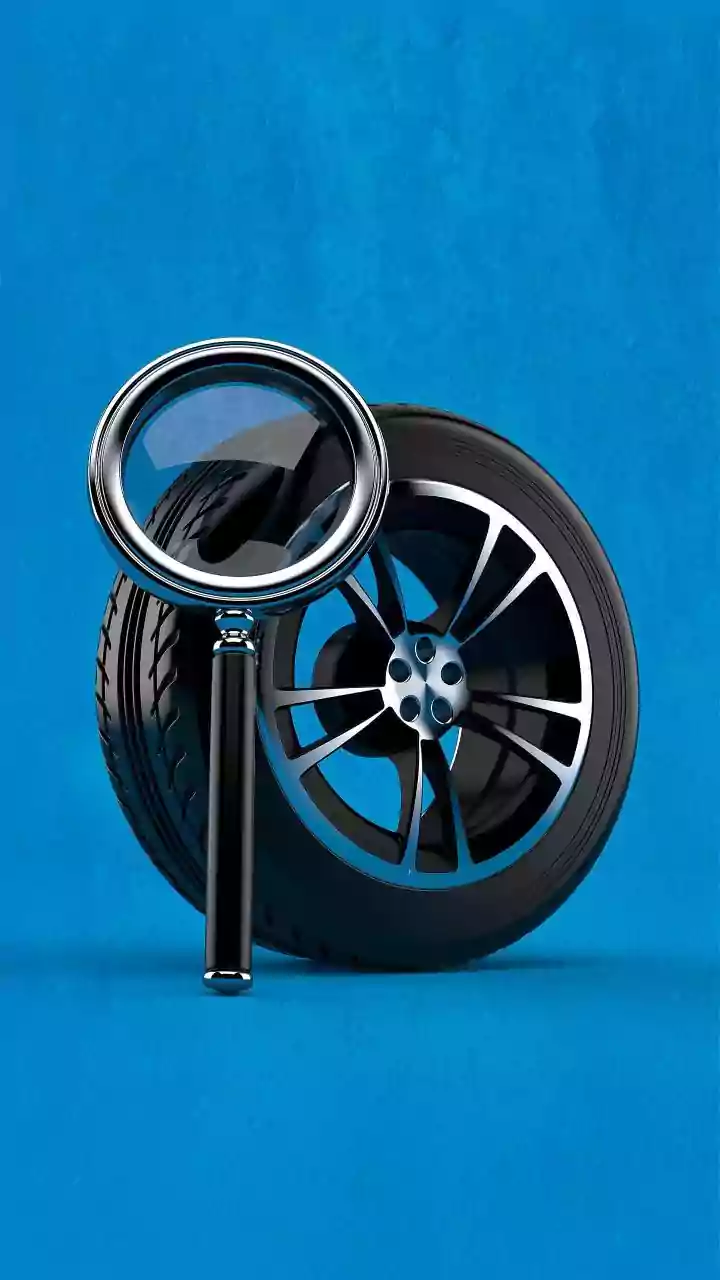
Proper management of your tires is a cornerstone of both fuel economy and road safety. Implementing a tire rotation schedule every 8,000 kilometers ensures that wear is distributed evenly across all four tires, prolonging their usable life. This task can be managed with common tools such as a car jack and a lug wrench, presenting a cost-saving alternative to paying for professional service. Furthermore, regularly monitoring and adjusting tire pressure is crucial; under-inflated tires can lead to an increase in fuel consumption by as much as 3%. A simple tire pressure gauge is an inexpensive tool that can contribute to significant savings over time.
Air Filter Maintenance
Ensuring a clean air filter is vital for facilitating optimal airflow into your engine, which directly impacts performance and fuel efficiency. Rather than opting for frequent replacements, you can extend the life of your air filter by cleaning it every one to two months. This can be effectively achieved using compressed air to blow out dust and debris, or by gently washing it with a mild soap and water solution. This straightforward maintenance step has the potential to enhance your vehicle's gas mileage by up to 10%, resulting in noticeable savings at the pump.
LED Interior Lighting
Transitioning your vehicle's interior lighting to LED bulbs offers considerable long-term financial benefits. LEDs consume substantially less electrical power compared to traditional incandescent bulbs, thereby reducing the load on your car's battery and alternator. This translates to less stress on these key electrical components. Additionally, LEDs boast a much longer lifespan than conventional bulbs, meaning you'll face fewer replacements over the years. This seemingly minor alteration can contribute to improved overall electrical system efficiency and a reduction in your vehicle maintenance expenses.
Battery Terminal Checks
Corrosion on battery terminals is a common issue that can lead to significant starting problems and, if left unaddressed, can drastically shorten your battery's lifespan by up to 50%. It's important to regularly inspect these connections for any signs of corrosion, typically appearing as a white, powdery substance around the terminals. If corrosion is present, a simple cleaning solution made from baking soda and water can effectively remove it. Ensure that the connections are securely tightened after cleaning to guarantee optimal electrical flow and prevent future issues.