


Initial Preparation Matters
The longevity of your ginger-garlic paste begins before storage. Proper preparation is key to preventing premature spoilage and preserving its potency.
Freshness of ingredients is paramount: select firm, unblemished ginger and garlic. Wash the ginger and garlic thoroughly, removing any dirt or debris. Peel the ginger and garlic cloves, ensuring you remove all papery skin. A clean workspace and utensils are crucial for preventing contamination. After peeling and cleaning, chop or blend the ingredients to your desired consistency. A smooth paste generally stores better than a coarsely chopped one as there is less surface area exposed to air, but it depends on the recipe and preference. For optimal results, use a food processor for even blending, or you can finely mince by hand. The quality of your paste depends on each step, hence it is important to follow them diligently to make it last longer.
Refrigeration: The Basics
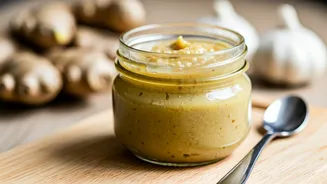
Refrigeration is a common and straightforward method for storing ginger-garlic paste. Once your paste is prepared, transfer it to an airtight container. Glass jars or sturdy plastic containers with tight-fitting lids work well. Ensure the container is clean and dry to prevent mold growth. Portioning the paste into smaller containers or ice cube trays before freezing will prevent repeated thawing and refreezing, which can degrade the paste's quality. Refrigerated ginger-garlic paste can typically last for about one to two weeks. Remember to label the container with the date of preparation, so you can track how long the paste has been stored. Always use a clean spoon when scooping out the paste to avoid introducing contaminants. If you notice any discoloration, mold, or an off-smell, discard the paste immediately to avoid any potential health risks. This approach is an easy and effective way to store your paste.
Freezing for Extended Use
Freezing extends the shelf life of ginger-garlic paste significantly. This method is ideal for long-term storage, keeping the paste fresh for several months. Divide the paste into smaller portions using ice cube trays or small freezer-safe containers. This will allow you to thaw only what you need, minimizing waste. Transfer the portioned paste to a freezer-safe bag or container, removing as much air as possible to prevent freezer burn. Label the bag or container with the date. Frozen ginger-garlic paste typically retains its quality for up to six months. Thaw the required amount of paste in the refrigerator overnight or at room temperature for a shorter duration. Once thawed, use it immediately. Avoid refreezing thawed paste. Freezing is the best way to keep your ginger-garlic paste ready whenever you want to cook. Properly frozen, it retains most of its original flavor and aroma.
Oiling for Preservation
Adding a layer of oil to the paste before refrigeration or freezing can help preserve it. The oil acts as a barrier, preventing air from reaching the paste and inhibiting oxidation and bacterial growth. After transferring the paste to an airtight container, pour a thin layer of oil (such as vegetable or olive oil) over the surface. The oil should completely cover the paste's surface. This oil layer provides additional protection against spoilage. Refrigerate or freeze the paste with the oil layer. The oil will solidify when frozen, providing a protective seal. When using, scoop out the required amount of paste, ensuring you also include some of the oil. This method is particularly effective for refrigeration, adding a layer of protection that will increase the shelf life, though you might still prefer freezing for longer-term storage.
Avoiding Contamination Risks
Contamination is a major enemy of stored ginger-garlic paste. To minimize this risk, always use clean utensils and containers. Wash your hands thoroughly before handling the paste. Use a clean spoon or utensil to scoop out portions of the paste each time you need it. Avoid introducing any food particles or other substances into the paste. Ensure the container's lid is tightly sealed to prevent exposure to air and potential contaminants. If you notice any changes in the paste's appearance, smell, or texture, such as discoloration, mold growth, or an unpleasant odor, discard it immediately. Never use the same utensil for stirring other foods, especially when preparing paste for later use. Taking these precautions is essential for keeping your paste safe to consume and to maximizing its lifespan. Careful handling makes all the difference.
Signs of Spoilage
Knowing the signs of spoilage helps you avoid consuming unsafe ginger-garlic paste. The most obvious sign is the appearance of mold, which may be fuzzy or discolored. Discard the paste immediately if you see any mold. Changes in color, such as darkening or the appearance of unusual spots, may also indicate spoilage. If the paste has developed an off-odor, such as a sour, musty, or fermented smell, discard it. An altered texture, such as sliminess or liquid separation, suggests that the paste is no longer fresh. Always trust your senses. If the paste looks or smells questionable, it is best to err on the side of caution. Even if the paste doesn't show any obvious signs, but has been stored for a long time, it's wise to assess its quality before use. If in doubt, discard the paste to prevent any potential health problems. Being vigilant about spotting spoilage is crucial.