





Vitamin C Showdown
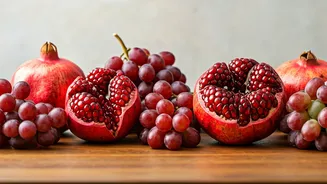
When comparing pomegranates and grapes, a clear winner emerges in the Vitamin C department. For every 100 grams, pomegranates deliver approximately 17%
of the daily recommended intake of this vital nutrient, making them a powerhouse. While grapes also contribute Vitamin C, their offering is notably less. Conversely, grapes shine as an excellent source of Vitamin K, providing around 18% of the daily value per 100 grams, whereas pomegranates offer a smaller amount of this vitamin, also important for blood clotting and bone health. This distinction is significant for individuals prioritizing specific vitamin intake in their diet.
Mineral Deep Dive
Both pomegranates and grapes boast impressive mineral profiles, each with unique strengths. Pomegranates are particularly rich in potassium, a mineral crucial for maintaining healthy blood pressure and supporting overall cardiovascular function. They also contain smaller quantities of magnesium and phosphorus. Grapes, while also providing potassium, offer a more substantial amount of iron. Iron is indispensable for the body's ability to transport oxygen efficiently, positioning grapes as a beneficial choice for those aiming to boost their iron levels and combat fatigue.
Antioxidant Powerhouses
Antioxidants play a critical role in protecting your cells from damage caused by free radicals and reducing oxidative stress. Pomegranates are celebrated for their abundance of polyphenols, a potent class of antioxidants renowned for their anti-inflammatory properties and contribution to heart health. Grapes are no slouch in the antioxidant arena either, particularly noted for containing resveratrol. This compound has garnered significant attention for its potential to promote cardiovascular well-being and offer protective benefits to the body's systems.
Calorie Count Clarity
Understanding the caloric content of fruits is essential for mindful eating and diet management. Pomegranates contain approximately 83 calories per 100 grams. Grapes, on the other hand, offer a slightly lower caloric value, coming in at around 69 calories per 100 grams. If your primary goal is to manage calorie intake while still enjoying nutrient-rich fruits, grapes might appear to be the more favorable option. However, if you are seeking a higher nutrient density and are comfortable with a slightly greater calorie count, pomegranates could be your preferred choice.