


Container Selection
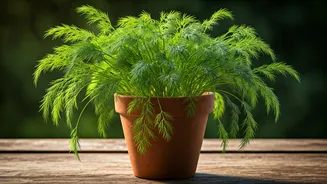
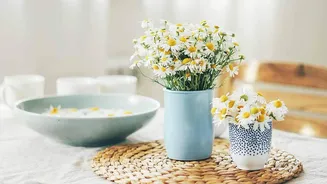
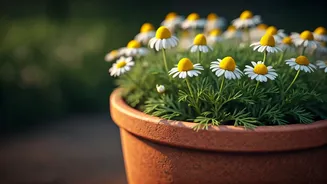
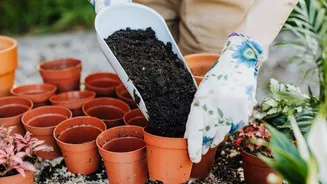
Embarking on your chamomile-growing journey begins with selecting the ideal home for your plant. For optimal root development and overall health, opt for containers
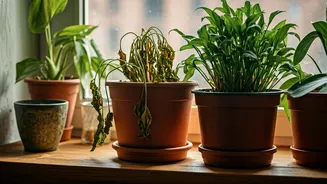
with a minimum diameter of 12 inches. This ample space allows the roots to spread freely, which is crucial for a robust plant. Equally important is ensuring your chosen pot is equipped with adequate drainage holes. These openings are vital for preventing water from accumulating at the bottom, a common pitfall that can lead to root rot and ultimately harm your chamomile. When considering the material of your container, lightweight options like plastic or resin are highly recommended. Their portability makes repositioning your chamomile to catch the best sunlight or protect it from harsh weather conditions a breeze, offering flexibility in managing your miniature herb garden.
Soil and Sowing
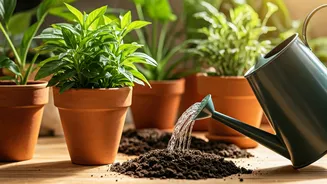
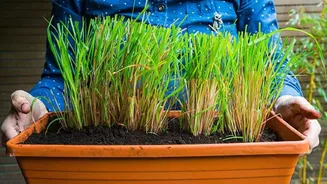
The foundation of a thriving chamomile plant lies in its soil and the initial sowing process. Chamomile thrives in a well-draining soil medium, ideally with a pH level that falls between six and seven. To achieve this perfect balance, consider enriching your standard potting soil with amendments such as sand or perlite. These additions significantly improve drainage, preventing the soil from becoming waterlogged. When it comes to planting, chamomile is best sown directly into the soil. Aim for a sowing depth of about one-fourth inch, and ensure seeds are spaced evenly apart within the container. After carefully planting the seeds, a gentle watering is essential. This initial watering helps settle the soil around the seeds and encourages germination, but be sure to water delicately to avoid washing them away.
Watering & Sunlight
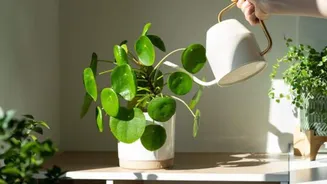
Providing your chamomile with the correct balance of water and sunlight is paramount for its flourishing. While chamomile requires consistent moisture, it's crucial to avoid overwatering, as its roots are susceptible to rot in persistently soggy conditions. The golden rule here is to check the soil's moisture level: water your plant only when the top inch of soil feels dry to the touch. As for sunlight, chamomile is a sun-loving herb. Place your container in a location where it can bask in full sunlight for a minimum of six hours each day. This ample exposure to sunlight is vital for promoting vigorous growth and encouraging the plant to produce an abundance of aromatic flowers, which are the prized part of the chamomile plant.
Pruning and Harvest
To maintain a healthy and productive chamomile plant, regular pruning and timely harvesting are indispensable practices. Pruning not only encourages the plant to grow bushier, preventing it from becoming leggy and sparse, but also stimulates continuous flowering. Once your young chamomile plants reach approximately six inches in height, begin pinching back their tips every few weeks. This simple action encourages side branching, leading to a fuller plant. Harvesting is best done when the flowers have fully opened. Gently snip the flowers off just above the leaf nodes on the stems. This harvesting technique not only provides you with your fragrant chamomile for teas or other uses but also prompts the plant to produce more blooms, extending your harvest season throughout its growing period.