






Sunscreen is Key
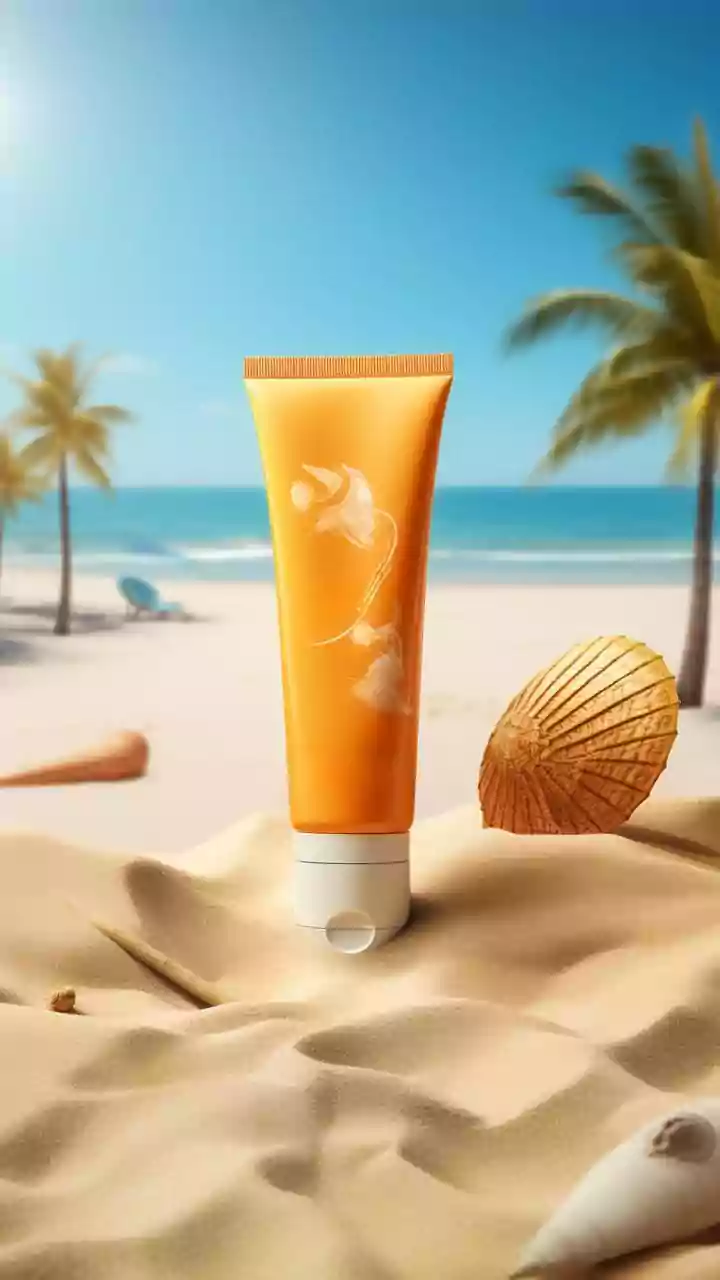
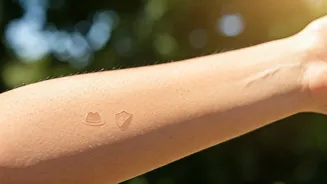
Embracing the summer sun doesn't have to mean compromising your skin's health. A crucial step in your defense is the diligent application of sunscreen.
Experts strongly recommend using a broad-spectrum sunscreen, meaning it protects against both UVA and UVB rays, with an SPF of at least 30. Don't be fooled by overcast skies; UV radiation can penetrate clouds, making daily application vital. To maintain optimal protection, it's essential to reapply the sunscreen every two hours, especially after periods of intense sweating or swimming, as water and perspiration can diminish its effectiveness. This consistent reapplication ensures an ongoing shield against the sun's damaging rays, preventing sunburn and reducing the risk of long-term skin issues.
Cover Up Wisely
Beyond sunscreen, strategic clothing choices play a significant role in protecting your skin from the sun's relentless glare. Opt for garments made from lightweight, breathable fabrics that offer full coverage. Long-sleeved shirts and trousers provide a physical barrier against UV rays, acting as a natural shield. Complementing this, a wide-brimmed hat is indispensable; it shields your face, neck, and ears, areas particularly vulnerable to sun exposure. Don't forget a pair of UV-protective sunglasses to safeguard your eyes and the delicate skin around them. By incorporating these protective clothing items into your summer wardrobe, you create an additional layer of defense, significantly reducing your skin's direct contact with harmful sunlight.
Hydration is Vital
Maintaining your skin's health from the inside out is paramount, especially during the hot summer months when dehydration is a significant concern. Ensuring you drink an adequate amount of water throughout the day is not just about quenching thirst; it's a fundamental practice for keeping your skin hydrated and supple. Proper hydration helps your skin retain moisture, preventing it from becoming dry, flaky, and dull. Furthermore, staying well-hydrated aids your body in flushing out toxins, contributing to a clearer and more radiant complexion. Think of water as your skin's internal moisturizer and detoxifier, essential for combating the drying effects of heat and sun exposure.
Limit Sun Exposure
Understanding and respecting the sun's peak intensity is a cornerstone of effective sun protection. Dermatologists advise avoiding direct sun exposure during the hours when the sun's rays are strongest, typically between 10 AM and 4 PM. During this period, seeking out shaded areas whenever possible is a simple yet highly effective strategy. If you plan outdoor activities, it's best to schedule them for the cooler parts of the day, such as early mornings or late afternoons. By consciously limiting your time in direct sunlight during these high-risk hours, you significantly reduce your exposure to harmful UV radiation, thereby minimizing the risk of sunburn and long-term skin damage.
Antioxidant-Rich Diet
Nourishing your skin from within through your diet is another powerful way to bolster its defenses against sun-induced damage. Incorporating a variety of fruits and vegetables rich in antioxidants can make a substantial difference. Foods like vibrant berries, zesty citrus fruits, leafy spinach, and succulent tomatoes are packed with compounds that help neutralize harmful free radicals generated by UV exposure. These antioxidants work internally to protect your skin cells from damage, supporting skin repair and promoting a healthier, more resilient complexion. A diet abundant in these natural protectors acts as a supplementary defense mechanism, enhancing your skin's ability to withstand environmental stressors.