


Container Selection
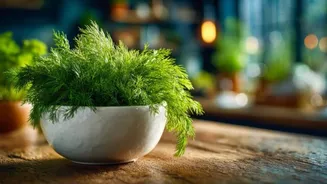
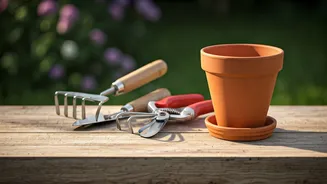
Embarking on your container dill journey begins with choosing the perfect vessel. Opt for pots that offer a generous depth, ideally around eight inches
or more, to accommodate the root system's natural development. Crucially, ensure that your chosen container is equipped with adequate drainage holes at its base. This feature is paramount in preventing waterlogged soil, a common culprit behind root diseases and overall plant distress. Both plastic and terracotta pots are suitable options, with the final decision often depending on personal aesthetic preferences and the specific climatic conditions of your growing environment.
Soil Essentials
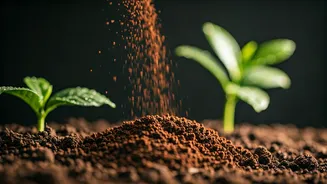
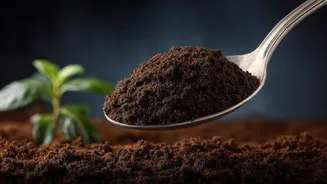
The foundation of any thriving plant is its soil, and dill is no exception. This aromatic herb prefers a well-draining soil mix with a slightly acidic to neutral pH, ranging between 6.0 and 7.0. A highly effective blend can be achieved by combining standard potting soil with nutrient-rich organic compost. This combination not only provides essential nourishment for your dill but also facilitates excellent drainage, preventing the soil from becoming compacted. Before introducing your seeds or seedlings, thoroughly mix the soil components to ensure a uniform and aerated medium that will support robust root growth.
Sunlight Requirements
For dill to reach its full potential in flavor and growth, ample sunlight is a non-negotiable requirement. Position your potted dill plant in a location that receives a minimum of six to eight hours of direct sunlight each day. In instances where natural light is insufficient, particularly in indoor settings, consider supplementing with artificial grow lights. Providing adequate light is crucial for preventing etiolation, characterized by weak, elongated stems, and for maintaining the herb's vibrant flavor profile.
Watering Wisdom
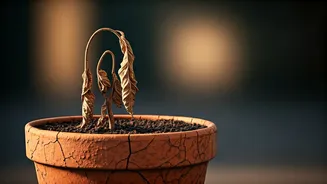
Mastering the art of watering is fundamental to cultivating healthy dill. The general rule of thumb is to water your plant when the uppermost inch of soil feels dry to the touch. However, it is equally important to exercise restraint and avoid the pitfalls of overwatering, as this can readily lead to root rot. After each watering session, confirm that any surplus water has an unobstructed path to drain away from the bottom of the pot. This consistent practice ensures that the soil's moisture levels remain balanced, providing the roots with hydration without succumbing to saturation.
Harvesting Freshness
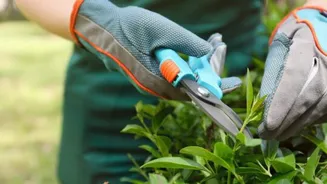
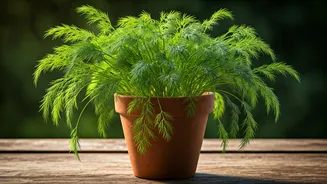
The reward for your cultivation efforts comes with harvesting your own fresh dill. For the most tender and flavorful leaves, it is best to harvest them when they are young and delicate, typically a few weeks post-planting. Employ clean scissors or pruning shears to make precise cuts just above the leaf nodes. This technique stimulates continuous new growth from the remaining stems, ensuring a sustained yield. Regular harvesting not only provides you with a steady supply of herbs but also encourages the plant to grow bushier rather than develop into a tall, sparsely leaved specimen.