





Digestive Dynamo
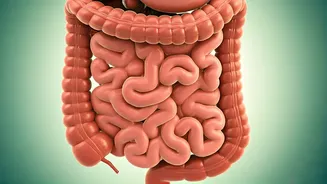
When you finish a meal, your body enters a crucial 'rest and digest' phase, prioritizing the breakdown of food and nutrient absorption. Introducing gentle
movement, like a post-meal stroll, actively supports this vital process. This light activity encourages the muscles within your gastrointestinal tract to contract rhythmically, facilitating the efficient passage of food. Consequently, this can significantly speed up gastric emptying, the rate at which food leaves your stomach, thereby mitigating common discomforts such as bloating, a feeling of heaviness, and bothersome acid reflux. Furthermore, it fosters better synergy between your stomach and intestines, leading to more effective nutrient assimilation and an overall enhancement in digestive efficiency. It’s a natural way to help your body process what you’ve eaten more smoothly and comfortably.
Gut Health Guardian
Maintaining a healthy digestive system is intrinsically linked to the well-being of your gut, and walking plays a surprisingly significant role in this connection. Regular movement enhances blood circulation, ensuring that essential nutrients and oxygen reach your digestive organs more effectively. Crucially, it also fortifies the communication pathway between your gut and your brain, often referred to as the gut-brain axis. This intricate interplay influences not only how efficiently you digest food but also your body's responses to various food types, its capacity to manage stress, and even the regulation of your mood. Over sustained periods, consistently incorporating these brief post-meal walks can contribute to cultivating a more robust, balanced, and resilient gut environment, fostering better overall health from the inside out.
Blood Sugar Balancer
One of the most extensively documented advantages of engaging in a walk after eating is its remarkable effect on moderating blood sugar levels. Following a meal, especially one rich in carbohydrates, glucose is released into the bloodstream. When you then proceed to walk, your muscles actively utilize this circulating glucose as an immediate energy source. This usage helps to attenuate the sharp peaks in blood sugar that often follow meals and reduces the demanding workload placed on your body's insulin production system. Research indicates that even relatively short walks, lasting approximately 10 to 15 minutes, are sufficient to yield these beneficial effects, making this a highly accessible and practical habit to integrate into one's daily routine without significant effort.
Discomfort Reducer
For individuals who frequently experience a sense of sluggishness or uncomfortable bloating after their meals, a simple walk can offer substantial relief. By promoting a more accelerated movement of food through the digestive tract, this gentle activity helps to prevent the excessive build-up of gas, thereby alleviating that heavy and uneasy sensation. This benefit is particularly advantageous for those with predominantly sedentary lifestyles or individuals who are prone to experiencing digestive irregularities like constipation. It provides a natural and non-invasive method to counteract post-meal discomfort and promote a feeling of lightness and ease after eating.
Metabolism Booster
Incorporating a short walk after your meals also contributes positively to your metabolic rate. This activity aids in the consumption of calories, helping to maintain a healthy energy balance within your body. When combined with a balanced and nutritious diet, this practice can serve as a valuable component in weight management strategies. Rather than relying solely on extended, infrequent workout sessions, dividing your physical activity into shorter, more frequent bouts, such as post-meal walks, can make it considerably easier to remain active and engaged throughout the entire day, fostering sustained energy levels and promoting overall physical fitness.
Smart Walking Strategy
To reap the maximum benefits without any drawbacks, the approach to your post-meal walk is key. You don't need to engage in strenuous exercise; in fact, a light to moderate pace is precisely what's recommended. Aim to walk for 10 to 15 minutes shortly after you finish eating, ideally starting within 30 minutes of your last bite. Maintaining a comfortable pace is crucial to ensure you're supporting digestion rather than hindering it with intense physical exertion. This mindful approach helps maximize the positive effects on your body while minimizing any potential for digestive upset or discomfort, making it a truly beneficial habit.