

Mamaliga: What is it?
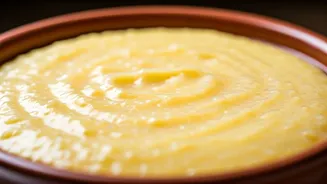
Mamaliga, essentially polenta's Romanian cousin, is a hearty cornmeal porridge. Its simplicity is its charm: primarily made from cornmeal, water, salt,
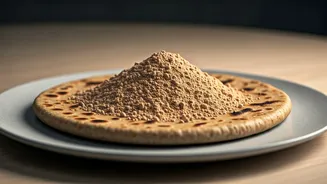
and sometimes a touch of butter or cheese. This dish has humble roots, once considered peasant food, now a staple across Romania and beyond. The preparation is straightforward: cornmeal is slowly cooked with water and salt, stirred consistently to prevent lumps, and resulting in a thick, satisfying consistency. The texture can vary depending on the cooking time and the ratio of cornmeal to water, ranging from creamy and smooth to firm and sliceable. The beauty of Mamaliga lies in its adaptability. It can be served in countless ways, making it a versatile addition to any meal. This easy-to-prepare dish is enjoyed as a main course, side dish, or even a dessert, showcasing its impressive culinary flexibility.
Simple, yet Versatile
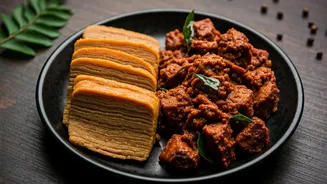
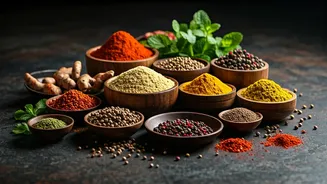
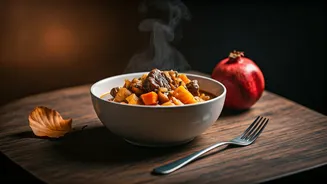
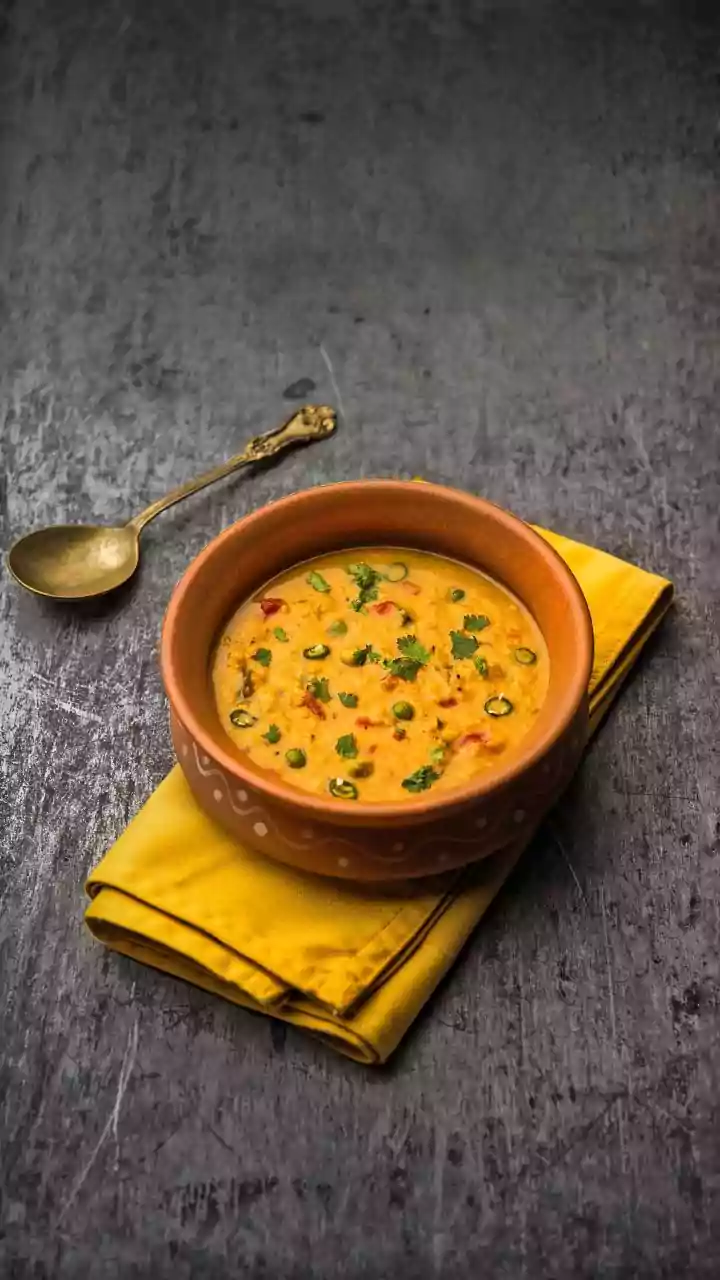
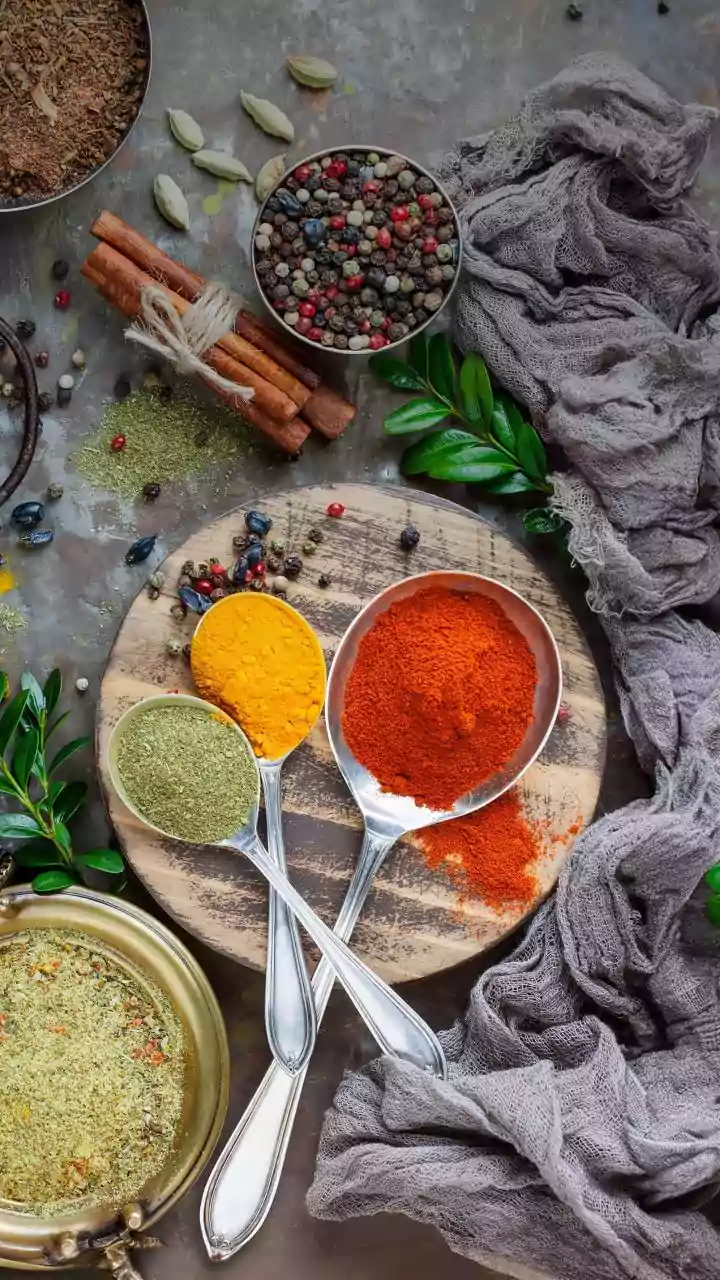
The beauty of Mamaliga lies not just in its simplicity but also in its versatility. It readily adapts to a variety of flavors and accompaniments. Traditionally, it is often served alongside cheese, sour cream, or various types of stews and roasted meats. Its neutral taste acts as a blank canvas, allowing the other ingredients to shine. In Romania, you'll frequently find it paired with 'sarmale' (cabbage rolls), grilled sausages, or mushroom sauces. However, Mamaliga is not confined to traditional pairings. It is a fantastic accompaniment to Indian cuisine, too. It harmonizes well with spicy curries or creamy vegetarian dishes. For a twist, you can experiment with different herbs and spices while cooking the cornmeal, enhancing its flavor profile. Whether you are aiming for a quick and simple meal or a more elaborate spread, Mamaliga can be easily tailored to your preferences.
Mamaliga: Preparation Tips
Mastering the art of Mamaliga is easier than you might think. The key to a perfect batch lies in a few crucial steps. First, choose the right cornmeal. Opt for a finely ground cornmeal for a smoother texture, or a coarser one if you prefer a more rustic feel. Second, use the correct water-to-cornmeal ratio. Start with about four parts water to one part cornmeal, adjusting as needed to achieve your desired consistency. Slowly pouring the cornmeal into boiling, salted water while stirring constantly is essential to prevent lumps. A wooden spoon is ideal for stirring, helping to maintain an even consistency. Cooking over medium heat allows the cornmeal to cook evenly, preventing sticking or burning. The cooking time varies depending on the amount of cornmeal and the desired consistency, typically taking about 20–40 minutes. Stirring frequently ensures that the cornmeal cooks thoroughly and doesn't stick to the bottom of the pot. As the Mamaliga thickens, continue stirring vigorously. Once it reaches the desired consistency, it's ready to serve.
Serving and Enjoying
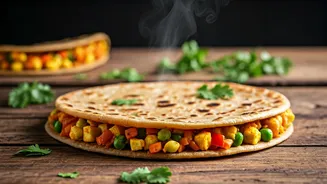
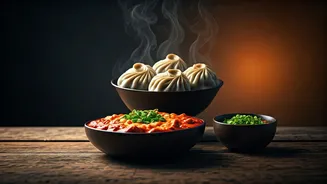
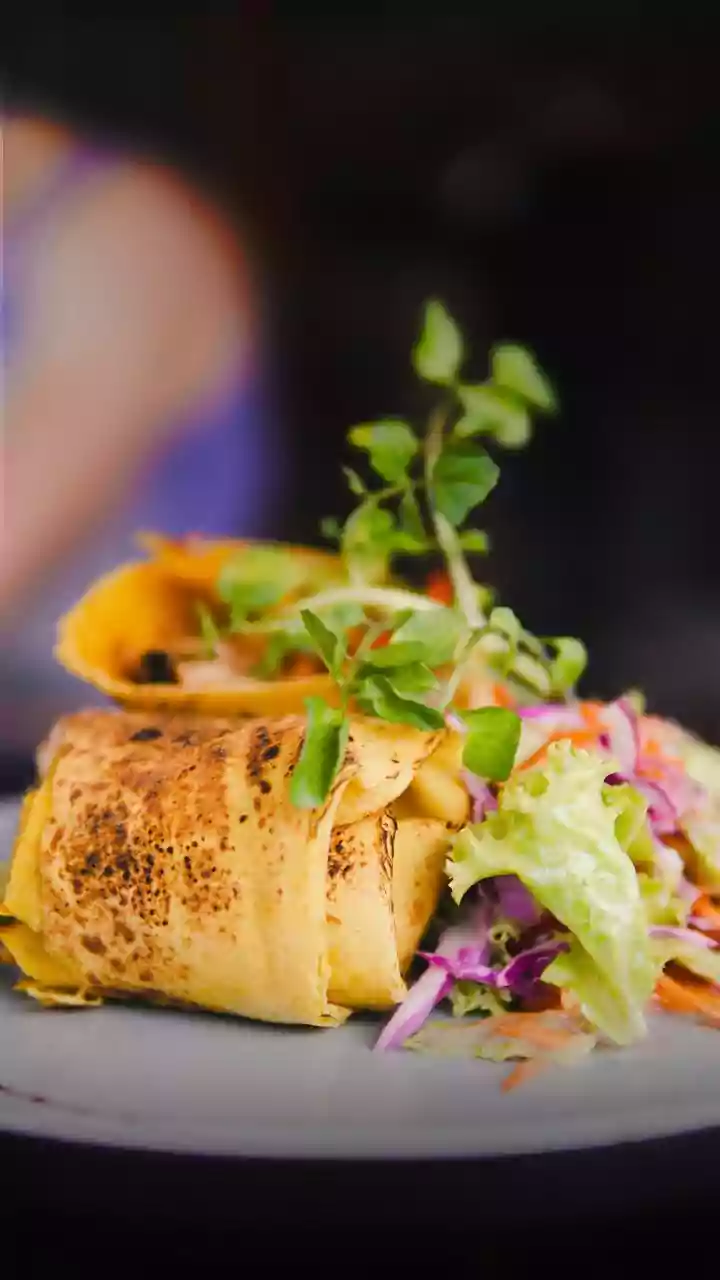
Once your Mamaliga is cooked, the real fun begins: serving and enjoying this comforting dish. The presentation is simple yet elegant. You can serve it directly from the pot, or pour it onto a platter to cool and slice into wedges. Serving it hot is a delightful experience, particularly when paired with warm, flavorful accompaniments. Consider a dollop of sour cream or yogurt for a cool, tangy contrast. Crumbled cheese, such as feta or a sharp cheddar, provides a savory element. Mamaliga also pairs beautifully with hearty stews, vegetable dishes, or grilled meats. For an Indian twist, consider serving it with a flavorful curry. The possibilities are endless. Moreover, Mamaliga can be transformed into creative dishes. It can be fried, baked, or grilled, offering a variety of textures and flavors. Its neutral taste profile makes it an excellent base for experimenting with different ingredients and flavors, making it a truly versatile culinary delight.