




Unique Ice Formations
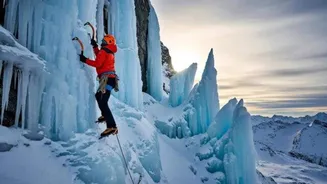
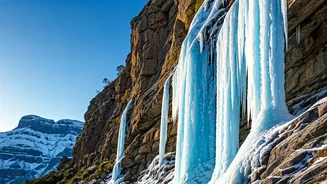
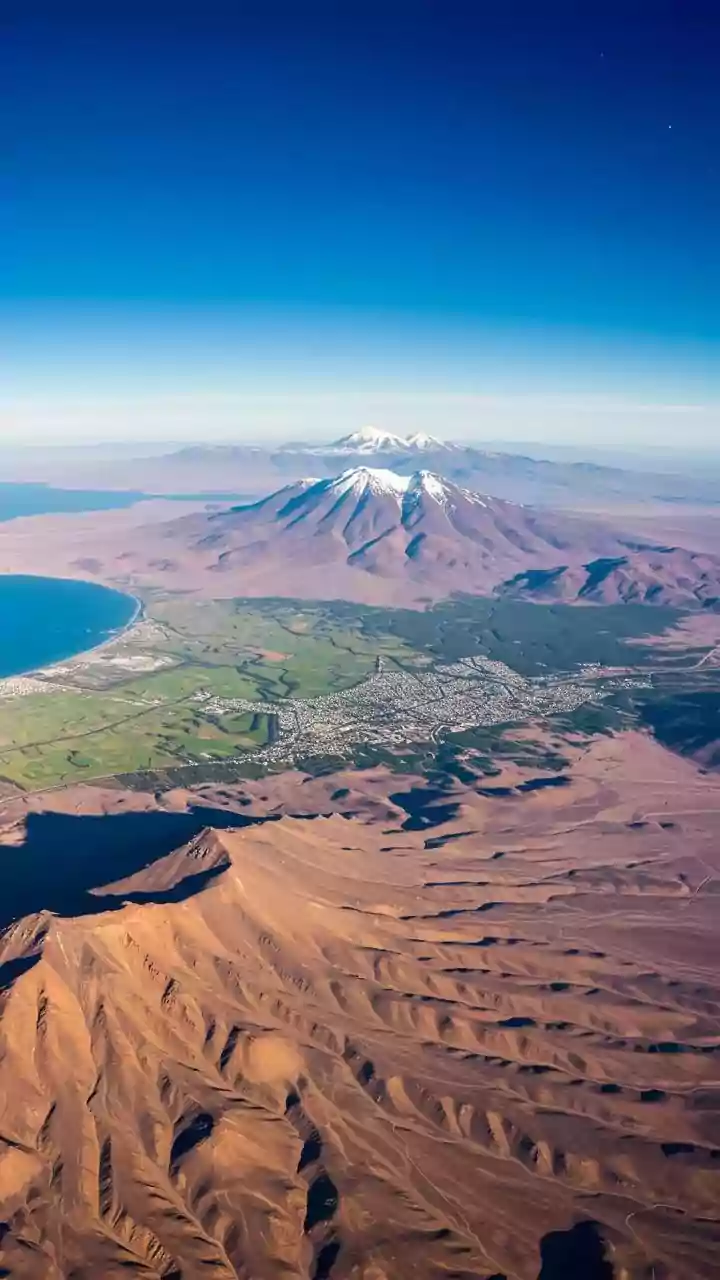
The Drakensberg mountain range presents an extraordinary canvas for ice climbing, sculpted by its distinct climatic conditions. The high elevations combined
with significant temperature fluctuations foster the development of captivating and often unconventional ice structures. These formations are not merely visually striking; they also present intricate and engaging challenges for climbers seeking to test their skills. Each ascent offers a novel experience due to the dynamic nature of these icy sculptures, making the Drakensberg a distinctive destination for those drawn to the allure of frozen ascents.
Prime Climbing Season
For enthusiasts eager to conquer the frozen faces of the Drakensberg, the winter months, specifically from June through August, are paramount. This period offers the most conducive environment for ice climbing as temperatures reliably dip low enough to ensure the formation of robust and stable ice. Adventurers can anticipate more predictable weather patterns and improved visibility during this window, which significantly aids in planning and executing climbs with enhanced safety and confidence. Choosing this time frame maximizes the potential for a successful and enjoyable ice climbing expedition.
Essential Climbing Kit
Equipping oneself with the appropriate gear is non-negotiable for a secure and satisfying ice climbing experience in the Drakensberg. Climbers must prioritize investing in high-performance crampons and ice axes, along with thermal apparel designed to withstand the biting cold. A sturdy helmet is a critical piece of safety equipment, offering protection against potential falling ice or rock. Furthermore, carrying robust climbing ropes and reliable harnesses is indispensable for navigating difficult routes and ensuring climber safety throughout the ascent.
Safe Ascent Practices
Prioritizing safety is the cornerstone of any climbing endeavor in the imposing Drakensberg Mountains. Before embarking on any climb, it is imperative for climbers to meticulously assess current and forecasted weather conditions, as rapid atmospheric changes can compromise visibility and the stability of ice routes. Maintaining adequate hydration is also crucial, and climbers should be attentive to their bodies, taking rest breaks as needed to combat altitude-induced fatigue, which can manifest more rapidly at higher elevations. Adhering to these safety protocols ensures a responsible and ultimately more rewarding climbing adventure.