






Optimal Flying Conditions
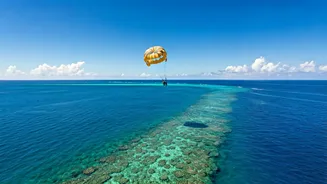
For those seeking the most exhilarating parasailing experience over Mnemba Island's stunning marine reserve, timing is crucial. The ideal window for this
adventure falls within Tanzania's dry season, typically spanning from June through October. During these months, you can anticipate predominantly clear skies and calmer winds, conditions that are perfectly conducive to a smooth and enjoyable parasailing flight. Furthermore, the improved visibility associated with this period allows for unobstructed, panoramic vistas of the underwater world, enhancing your appreciation of the diverse marine ecosystem beneath you as you glide through the air.
Prioritizing Your Safety
When embarking on an aerial adventure like parasailing, your well-being must be the paramount concern. It is imperative to select a parasailing operator that rigorously adheres to international safety protocols and utilizes meticulously maintained equipment. Before your ascent, pay close attention to all instructions provided by the experienced crew; their guidance is designed to ensure your safety. Additionally, always make sure you are outfitted with essential safety gear, most importantly, a properly fitting life jacket, which is non-negotiable for a secure and pleasant parasailing excursion.
Your Aerial Journey
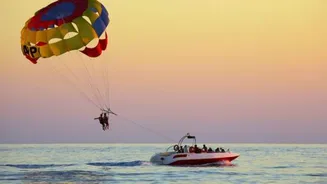
The parasailing experience itself is a carefully orchestrated thrill. Once you are securely harnessed and prepared, the accompanying boat will gradually increase its speed, generating the lift needed to gently elevate you into the sky via the parachute. Depending on the prevailing weather conditions, you will ascend to heights reaching up to approximately 300 feet (91 meters). The duration of this airborne spectacle typically ranges from 10 to 15 minutes, providing ample opportunity to fully absorb the awe-inspiring scenery and the vast expanse of the Indian Ocean.
Advice for Newcomers
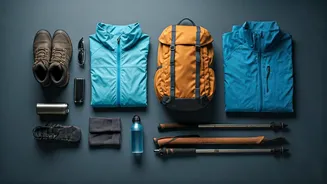
If this is your inaugural parasailing adventure, smart preparation can significantly enhance your comfort and enjoyment. Opt for attire that is not only comfortable but also quick-drying, as there's a chance of getting lightly splashed during liftoff or landing phases. It's also vital to protect your skin from the sun's intense rays at higher altitudes; liberally apply sunscreen before you begin. For individuals susceptible to motion sickness, it is advisable to consider taking preventative medication ahead of time to ensure your flight remains pleasant and free from discomfort.