



Cultural Roots Matter
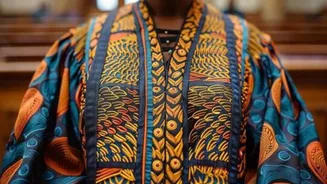
To truly appreciate and identify an authentic African souvenir, delve into its cultural significance. Many items are steeped in tradition and crafted using
time-honored techniques passed down through generations. Understanding the history, symbolism, and community from which an artifact originates is key. This knowledge acts as a powerful filter, helping you differentiate between genuine pieces that tell a story and generic replicas designed solely for mass appeal. Familiarizing yourself with the cultural context will enhance your appreciation and ensure you're acquiring something of genuine heritage, not just a trinket.
Mastering Craftsmanship
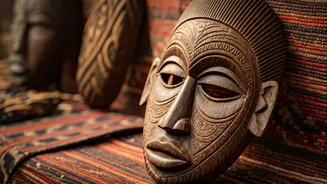
The hallmark of an authentic African souvenir often lies in its craftsmanship. These pieces are typically brought to life by the skilled hands of local artisans, and their dedication is evident in the meticulous details. As you inspect an item, look for the subtle imperfections that characterize handmade creations, such as unique variations in texture or intricate designs that demonstrate painstaking effort. Conversely, if an object appears flawlessly uniform, excessively smooth, or possesses a sterile, machine-made perfection, it is likely a factory-produced imitation. The slight irregularities in truly handcrafted items are not flaws but rather testaments to the artist's personal touch and skill.
Verifying Material Integrity
The materials used are a critical indicator of a souvenir's authenticity and intrinsic value. Traditional African crafts predominantly utilize natural resources like sustainably sourced wood, earthy clay, or vibrant, often hand-dyed, beads. When examining potential purchases, engage your sense of touch and sight to assess the materials. Genuine natural elements possess a distinct texture and feel that synthetic substitutes often cannot replicate. The use of authentic materials not only speaks to the quality and durability of the item but also preserves its cultural integrity and connection to the land.
Seeking Origin Narratives
A genuine African souvenir frequently carries with it a compelling origin story, a narrative that connects it to its maker, their community, and their heritage. When browsing stalls, don't hesitate to engage with the vendors and inquire about the provenance of their goods. A vendor who can eloquently share details about the creation process, the artisan's background, or the item's significance within local customs is likely showcasing authentic pieces. These personal accounts add immeasurable depth and value, transforming a simple object into a meaningful artifact imbued with cultural significance and a personal connection.
Strategic Price Comparison
While the art of bargaining is an integral part of the shopping experience in many African markets, exercising caution with pricing is paramount. Be wary of prices that seem astonishingly low, as they can often be a red flag for inauthenticity. Authentic, handcrafted items demand a price that reflects the considerable time, skill, and dedication invested in their creation. If a particular souvenir is priced significantly below comparable items or appears suspiciously cheap given its apparent quality, it's prudent to suspect it might be a replica rather than a genuine piece of art. Wise comparison shopping ensures you're paying a fair price for true artisanal value.