



Selecting Your Spot
Embarking on your oregano-growing journey begins with selecting the ideal location. This hardy herb thrives in well-draining soil and craves ample sunlight,
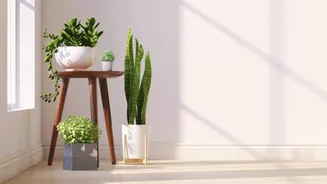
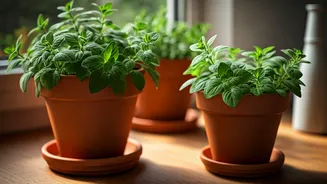
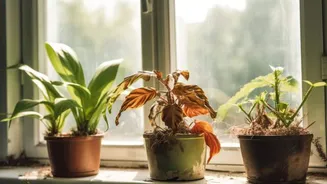
ideally receiving at least six to eight hours of direct sun daily. For indoor cultivation, a south-facing windowsill is often the prime real estate, ensuring your plant receives maximum light exposure. If natural light is scarce, consider supplementing with a grow light. While oregano is generally forgiving, consistent light is key to developing its robust flavor and healthy growth. Think about the temperature too; a comfortable room temperature, generally between 65-75°F (18-24°C), is perfectly suitable for this Mediterranean native. Avoid drafty areas or locations with extreme temperature fluctuations, as this can stress the plant and hinder its development. Ensuring these fundamental environmental conditions are met will set the stage for a bountiful oregano harvest, making your culinary endeavors all the more rewarding.
Planting Fundamentals
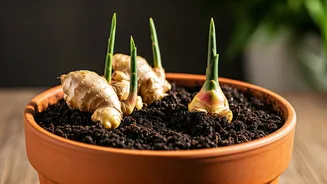
The foundation of a thriving oregano plant lies in proper planting. You can start from seeds, cuttings, or a small starter plant. If beginning with seeds, sow them thinly in a seed-starting mix or potting soil, covering them lightly. Keep the soil consistently moist but not waterlogged until germination, which can take anywhere from one to three weeks. Once seedlings have a few sets of true leaves, transplant them into individual pots or a larger container. For cuttings, take a 4-6 inch stem from a healthy plant, remove the lower leaves, and dip the cut end in rooting hormone before planting it in moist soil. Starter plants offer the quickest route to success. Regardless of your starting method, choose a pot with adequate drainage holes; oregano dislikes sitting in soggy soil, which can lead to root rot. A potting mix designed for herbs or vegetables will provide the necessary nutrients and aeration. Ensure the pot size is appropriate for the plant's current size, allowing room for root development but not so large that the soil stays wet for extended periods. Gently firm the soil around the roots and water thoroughly after planting to settle the soil.
Watering and Feeding
Mastering the art of watering and feeding is crucial for maintaining a vibrant and productive oregano plant. Oregano prefers its soil to dry out slightly between waterings. A good rule of thumb is to check the top inch of soil; if it feels dry to the touch, it's time to water. Overwatering is a common pitfall, leading to root rot and fungal diseases, so err on the side of caution. Water deeply until you see it draining from the bottom of the pot, then discard any excess water that collects in the saucer. As for feeding, oregano isn't a particularly heavy feeder. During the growing season, typically from spring through early fall, you can fertilize your plant about once a month with a balanced liquid fertilizer diluted to half strength. This provides essential nutrients to support healthy leaf growth and sustained flavor development. Avoid over-fertilizing, as this can lead to leggy growth and a less intense aroma. In winter, when the plant's growth naturally slows down, reduce watering frequency and cease fertilization altogether. This resting period is vital for the plant's long-term health and prepares it for renewed vigor in the spring.
Pruning and Harvesting
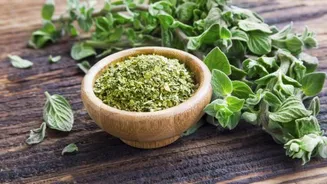
Regular pruning and timely harvesting are essential for encouraging bushier growth and a continuous supply of aromatic oregano leaves. Begin harvesting once your plant has established itself and shows healthy new growth. To harvest, snip off stems just above a leaf node, which will encourage the plant to branch out from that point. You can harvest small amounts regularly without harming the plant; in fact, frequent light harvesting often leads to a more productive and compact plant. For a more substantial harvest, cut back entire stems, leaving about two inches of growth above the soil line. This encourages new shoots to emerge. Pruning also helps maintain the plant's shape and prevents it from becoming leggy and unmanageable, especially when grown indoors. If your plant starts to flower, you can pinch off the flower buds. While oregano flowers are edible, allowing the plant to focus its energy on leaf production will result in a more potent flavor. Harvested leaves can be used fresh immediately, or they can be dried for later use by hanging small bunches upside down in a cool, dry, well-ventilated place. Properly managed, your oregano plant will provide a steady stream of fresh flavor for your culinary creations.