






Small Space Solutions
Corner placement is an excellent strategy, particularly when dealing with limited space. Utilize corners to place furniture such as sofas, desks, or shelving
units, thereby maximizing the usable area and maintaining efficient traffic flow. This is especially advantageous in compact apartments or small homes where every square foot counts. Consider installing floating shelves in the corners to capitalize on vertical space for displaying decor or storing books, helping to minimize clutter and maximize floor space. Alternatively, an L-shaped sofa can snugly fit in the corner of your living room, giving sufficient seating while freeing up the rest of the space. Be imaginative and adapt your furniture choices to optimize the available corner space for both practicality and aesthetic appeal.
Bedside Chests: Bedroom Style
Bedside chests are more than just functional pieces; they significantly impact the style of your bedroom. Choosing the right bedside chest can contribute to creating a stylish and comfortable sleeping sanctuary. Consider the material and design of your bedside chests and how they complement the overall aesthetic of your bedroom. For example, a vintage wooden chest can add a touch of classic elegance, while a sleek, modern chest made of metal or glass can inject a contemporary edge. The size and configuration are also crucial. A chest with drawers offers organized storage for personal items, while a nightstand with an open shelf provides space for frequently used essentials. Ultimately, the right bedside chest must align with your personal preferences and needs, adding both style and functionality to your bedroom setup.
Layered Look: Open Shelving
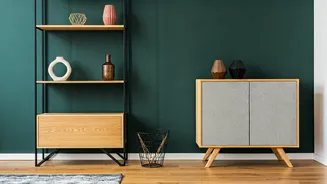
Open shelving offers a fantastic way to create a layered look, injecting depth and visual interest into any room. By strategically placing open shelves, you can exhibit various décor items, from books and plants to decorative objects and personal collections. The key is to arrange items thoughtfully, playing with different sizes, shapes, and textures to achieve a layered effect. Incorporate a mix of functional and decorative elements to balance practicality and style. Layering also allows for a dynamic display that can evolve over time, giving you the flexibility to rearrange and refresh your décor as your taste or the seasons change. The combination of open shelving with different items creates a visual narrative, transforming a plain wall into an eye-catching focal point.
Minimalist Approach Defined
A minimalist approach involves embracing simplicity by using a single chest. This approach focuses on the principle of 'less is more', where design and functionality are merged. Opting for a single chest often implies reducing clutter and highlighting a carefully selected piece of furniture. It is about choosing a chest that is aesthetically pleasing, versatile, and fits well within the overall design scheme. This method demands a keen eye for organization, as all items must be stored or displayed strategically. The minimalist approach to furniture design enhances an airy atmosphere, making spaces appear more streamlined and functional. The overall look is simplified, yet sophisticated, making a strong style statement.
Symmetrical Pairing Balance
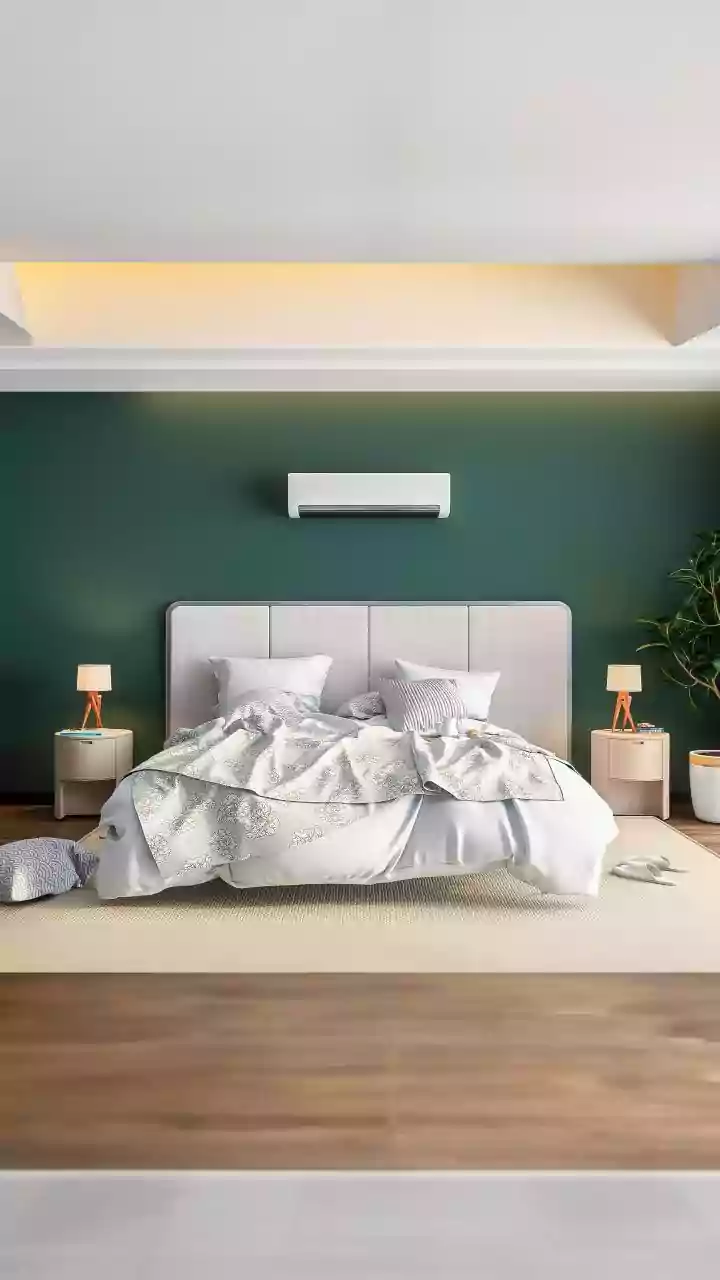
Symmetrical pairing is a classic design technique that brings a sense of balance and harmony to a room. This method involves placing identical pieces of furniture or decorative elements on opposite sides of a central axis, such as a fireplace or a window. For example, placing two matching bedside chests or lamps creates a visually pleasing and well-organized look. Symmetry offers a sense of stability and order, making a space feel calm and sophisticated. It doesn’t necessarily mean everything needs to be perfectly mirrored; slight variations can add interest while maintaining the overall balance. Implementing symmetry is a dependable way to achieve a stylish and visually appealing interior, promoting a feeling of comfort and aesthetic equilibrium.