




Understanding Blood Health
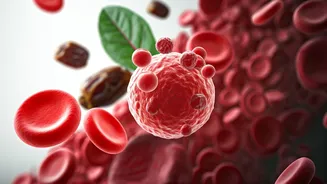
Haemoglobin, a vital protein within red blood cells, is crucial for transporting oxygen throughout the body, ensuring sustained energy levels. Concurrently,
platelets play a critical role in the blood's ability to coagulate, essential for mending damaged blood vessels and preventing excessive bleeding. Conditions such as leukaemia, autoimmune disorders, severe infections, and treatments like chemotherapy can lead to deficiencies in these essential blood components. Symptoms of low haemoglobin often manifest as persistent tiredness, sensations of dizziness, overall weakness, a noticeable paleness or yellowish tinge to the skin, frequent headaches, extremities that feel cold, shortness of breath, and cardiovascular irregularities. Individuals experiencing a dip in platelet count might observe spontaneous and profuse bruising, prolonged bleeding episodes, the presence of blood in their stool or urine, and unusually heavy menstrual flows.
Ayurvedic Perspective on Blood
In Ayurvedic tradition, low haemoglobin is recognized as 'Pandu Roga,' a specific type of anaemia stemming from an imbalance in Pitta Dosha, which consequently affects the quality and production of blood. Similarly, diminished platelet levels are viewed as a manifestation of Raktapitta and blood impurities, arising from aggravated Pitta and Kapha doshas. Ayurveda posits that these imbalances are often rooted in impaired digestive function, leading to the accumulation of toxins that hinder optimal blood formation. Stress and dietary choices, particularly a high consumption of sour, salty, and excessively spicy foods, are also identified as contributing factors to these dosha disruptions and subsequent blood-related ailments. Understanding these underlying principles is key to implementing effective Ayurvedic strategies for enhancing blood counts.
Herbal Decoctions for Vitality
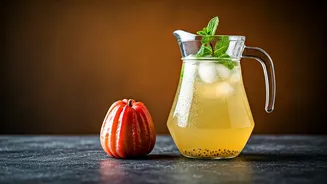
A potent Ayurvedic approach involves preparing nourishing herbal decoctions designed to bolster both haemoglobin and platelet levels. One such effective preparation combines the juices of pomegranate, carrot, and beetroot. To this, one can add soaked dates and raisins, along with dried figs, adjusted according to one's digestive capacity. For individuals prone to Kapha imbalances, a small addition of fresh ginger and basil leaves can further enhance its therapeutic properties. This blend is rich in essential minerals and vitamins that not only support cardiovascular and bone health but also aid in regulating blood sugar and promoting digestive regularity. Notably, its significant iron content is directly instrumental in elevating haemoglobin levels and combating anaemia.
Wheatgrass: A Chlorophyll Powerhouse
Wheatgrass stands out as a remarkable natural remedy due to its high chlorophyll content, a molecule whose structure bears a striking resemblance to haemoglobin. This makes it exceptionally effective in boosting red blood cell production and subsequently, haemoglobin levels. Beyond its impact on blood, wheatgrass is a nutritional powerhouse, packed with vitamins A, B, and E, along with a wealth of antioxidants, nutrients, and minerals. These components contribute to purifying the blood, enhancing immune function, improving digestion, and promoting radiant skin health. Consuming wheatgrass can act as a potent detoxifier for the system, offering a holistic approach to improving overall well-being and combating the effects of anaemia.
Giloy: The Elixir of Blood
Giloy is highly revered in Ayurveda for its profound blood-forming capabilities and its potent immunomodulatory effects. It actively stimulates platelet production, bolstering the body's immune defenses to support healthy platelet counts. Furthermore, giloy is a rich source of iron, alongside essential minerals such as calcium and phosphorus, all of which are critical for efficient haemoglobin synthesis and utilization. Its purifying action on the blood enhances the quality of plasma and blood tissues, contributing to overall circulatory health. Combined with other beneficial ingredients like aloe vera, papaya, pomegranate, and spinach, giloy forms the basis of potent formulations that significantly improve platelet counts and combat anaemia.
Aloe Vera's Rejuvenating Touch
Aloe vera, celebrated in Ayurvedic medicine for its remarkable blood-cleansing and rejuvenating properties, offers a gentle yet effective way to support blood health. Its rich nutrient profile, including vitamin B12, folic acid, and iron, is directly involved in the crucial process of blood formation. The abundant antioxidants present in aloe vera act as protectors for platelets, shielding them from oxidative damage and promoting the generation of robust, healthy blood cells. Consuming aloe vera juice can lead to enhanced immunity, a thorough cleansing of the blood and entire bodily system, and a significant boost in energy and stamina, contributing to a renewed sense of vitality.
Other Ayurvedic Herbs & Diet
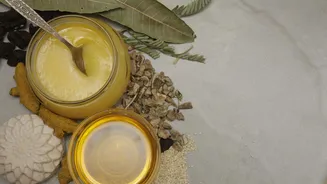
Amla, with its high vitamin C content, significantly enhances the body's ability to absorb iron, a critical element for haemoglobin production. Ashwagandha works to boost red blood cell counts and augment overall energy levels, while Shatavari supports healthy blood flow and formation. Incorporating beetroot and various leafy green vegetables into the daily diet is essential due to their rich reserves of iron and folic acid, vital for increasing haemoglobin. Ghee is recommended for its nourishing properties, benefiting blood tissues. Soaking black sesame seeds overnight and consuming them is another effective practice, as their mineral and iron content aids in elevating both haemoglobin and platelet counts. A balanced diet, rich in these Ayurvedic staples, is fundamental for maintaining optimal blood health and vitality.