



Khichdi: A Sankranti Staple
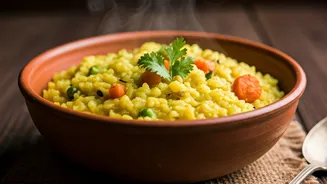
Khichdi holds a special place in the culinary landscape of Makar Sankranti, observed with great enthusiasm throughout India. This dish, a blend of rice
and lentils, is not just a meal; it's a symbol of prosperity, good health, and the welcoming of the harvest season. The significance of khichdi transcends mere sustenance; it encapsulates the spirit of the festival, mirroring the abundant harvest and the communal joy associated with it. The simplicity of khichdi, prepared with basic ingredients, also symbolizes the purity and the auspiciousness of the occasion. It's a dish deeply ingrained in the cultural fabric, enjoyed in various regions, each with its unique variations and flavor profiles. Therefore, khichdi represents unity in diversity, enjoyed across the nation during this festive time.
Cultural Significance Unveiled
The consumption of khichdi during Makar Sankranti carries profound cultural meaning, intertwined with ancient customs and beliefs. It's often associated with the transition of the sun into the zodiac sign of Capricorn, marking a new beginning and a period of renewal. Eating khichdi is seen as an act of offering to the deities, particularly Surya, the sun god, symbolizing gratitude for the harvest and a prayer for continued prosperity. In some regions, the act of preparing and sharing khichdi is a communal activity, fostering a sense of togetherness and harmony. The ingredients themselves – rice and lentils – are often interpreted as representing the balance of life, and their combination symbolizes abundance and well-being. This tradition of eating khichdi during Makar Sankranti is a celebration of the community, the land, and the blessings of nature.
Rituals and Traditions
Various rituals and traditions are interwoven with the preparation and consumption of khichdi during Makar Sankranti. In many households, khichdi is prepared with meticulous care, following specific recipes passed down through generations. The cooking process often involves chanting prayers or hymns, infusing the dish with blessings and positive energy. Some families add specific ingredients to the khichdi, such as vegetables or spices, to enhance its flavor and symbolic meaning. Sharing khichdi with family, friends, and the less fortunate is a common practice, reinforcing the values of sharing and compassion. In certain communities, rituals involve offering khichdi to the sun god, seeking his blessings for a bountiful year. These traditions highlight the significance of khichdi in the cultural and spiritual context of Makar Sankranti.
Easy Khichdi Recipe
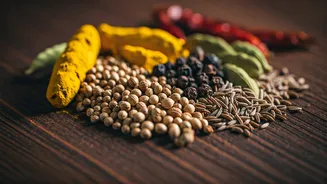
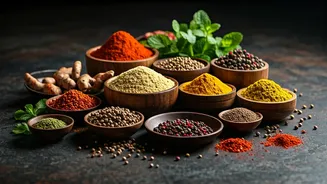
Here’s a simplified approach to making khichdi, allowing you to prepare this festive dish with ease. First, gather the necessary ingredients, which typically include rice, lentils (such as moong dal), water, ghee or oil, and spices (turmeric, cumin seeds, etc.). Begin by washing the rice and lentils thoroughly. Next, heat ghee or oil in a pot and add the spices, allowing them to sizzle. Then, add the rice and lentils to the pot, along with water. Bring the mixture to a boil, then reduce the heat, cover the pot, and let it simmer until the rice and lentils are cooked through and the mixture has reached a porridge-like consistency. Serve hot, garnished with a dollop of ghee and your preferred accompaniments such as curd or pickle.