





Seasonal Cycles and Spiritual Roots
The sacred festival of Navratri, meaning 'nine nights,' is a cornerstone of Hindu tradition, primarily dedicated to venerating Goddess Durga and her various
divine manifestations. While many are acquainted with the Navratri preceding Dussehra, Hindu scriptures reveal that the observance occurs four times annually, each linked to specific seasonal transitions. These periods, falling in the months of Chaitra (March–April), Ashwin (September–October), Magha (January–February), and Ashadha (June–July), are considered spiritually potent. This heightened receptivity during seasonal shifts allows for enhanced purification, discipline, and a deeper connection with the divine feminine energy, known as Shakti. Goddess Durga embodies power, protection, and the vanquishing of negativity, and through these nine-day observances, devotees seek her blessings for strength, wisdom, and spiritual fortitude.
Chaitra Navratri's Auspicious Beginning
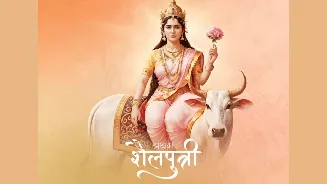
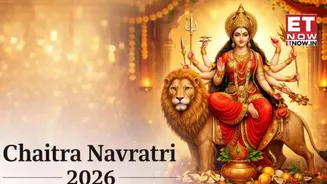
Occurring in the Hindu month of Chaitra, typically falling between March and April, Chaitra Navratri holds significant importance as it often marks the commencement of the Hindu lunar calendar in various Indian regions. During these nine days, devotees engage in the worship of the nine distinct forms of Goddess Durga, collectively known as the Navdurga. Many adherents observe strict fasting, perform the sacred ritual of Ghatasthapana on the inaugural day, and dedicate themselves to reciting powerful scriptures like the Durga Saptashati or the Durga Chalisa. This auspicious period also coincides with other significant festivals, most notably Ram Navami, which commemorates the divine birth of Lord Rama, further amplifying the spiritual fervor of this Navratri.
Sharad Navratri: The Grand Celebration
Sharad Navratri, also reverently referred to as Maha Navratri, stands as the most widely and enthusiastically celebrated Navratri across India, observed in the Hindu month of Ashwin, generally from September to October. This prominent festival commemorates the epic victory of Goddess Durga over the formidable demon Mahishasura, a powerful symbolic representation of righteousness triumphing over malevolence. The culmination of Sharad Navratri is marked by Vijayadashami, also known as Dussehra, a day that simultaneously honors Lord Rama's conquest of the demon king Ravana. The nationwide enthusiasm is palpable, expressed through vibrant Garba and Dandiya dances, elaborate Durga Puja rituals, temple ceremonies, and joyous community gatherings.
Magha Gupta Navratri's Secret Observance
Falling within the Hindu month of Magha, which usually spans January and February, Magha Gupta Navratri is characterized by its "Gupta" nature, meaning hidden or secret. This particular Navratri is predominantly observed by spiritual practitioners, ascetics, and those dedicated to tantric disciplines. Their practices involve specialized prayers, deep meditation, and rigorous spiritual exercises directed towards Goddess Durga and the profound energies of the divine feminine. Unlike its more public counterparts, Magha Gupta Navratri is typically observed in a more introspective and private manner, away from widespread public festivities, emphasizing inner spiritual work.
Ashadha Gupta Navratri's Mystical Power
The Ashadha Gupta Navratri graces the Hindu calendar during the month of Ashadha, typically occurring between June and July. Much like its Magha counterpart, this period is recognized for its immense spiritual potency, offering a powerful window for intense spiritual practices and the cultivation of inner discipline. Devotees adhering to tantric traditions often undertake demanding sadhanas and engage in the worship of specific manifestations of the Goddess, such as the Dasha Mahavidya, during these sacred days. While not marked by extensive public celebrations, Ashadha Gupta Navratri holds profound significance for those seeking accelerated spiritual growth and deeper meditative experiences.