


A Culinary Overview
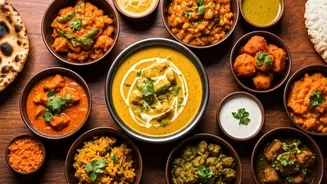
Gujarati cuisine presents a balanced mix of sweet, savory, and occasionally spicy flavors, often crafted with fresh, seasonal ingredients. Many dishes
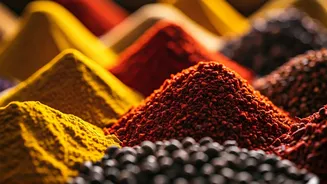
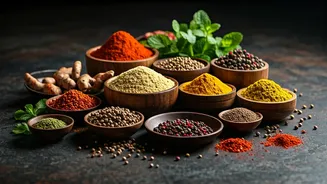
are vegetarian-friendly, reflecting the religious beliefs and traditions prevalent in the region. The use of legumes, grains, and vegetables is central, with meticulous attention to detail in the preparation methods, ensuring that each meal is both nourishing and enjoyable. The state's cuisine is as diverse as its population, offering varied flavors that stem from the use of diverse spices. From the famous Dhokla, a steamed cake made of fermented batter, to Undhiyu, a mixed vegetable casserole cooked underground, the variety is vast. Traditional cooking methods play an important role, with many recipes passed down through generations. These culinary practices reflect not just the taste but also the health-conscious choices of the Gujarati people. Dishes also reflect the influence of different communities that have shaped the state's unique culinary identity.
Dhokla: The Delight
Dhokla is a widely loved Gujarati snack, made from a fermented batter of rice and chickpeas. This batter is steamed to achieve a fluffy texture. Usually, Dhokla is tempered with mustard seeds, green chilies, and curry leaves for added flavor and visual appeal. This snack is not only delightful to eat but also relatively low in calories and fat, making it a relatively healthy option. Dhokla is often served with a sweet and tangy chutney, enhancing the experience. The fermentation process also adds to the health benefits, as it aids in digestion. Dhokla's popularity has spread far beyond Gujarat, becoming a beloved dish across India and beyond. The simplicity of Dhokla belies its complexity in flavor, offering a light, airy, and tangy taste that is uniquely Gujarati. Its ability to adapt to variations, from the simple to the enhanced, makes Dhokla a versatile dish, perfect for any time of the day.
Undhiyu: Earthly Casserole
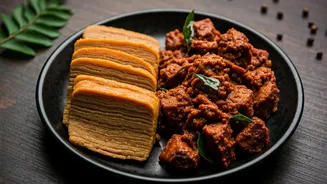
Undhiyu is a traditional Gujarati mixed vegetable dish, often associated with the winter season. The unique cooking method, where the vegetables are traditionally cooked underground in earthen pots, is key to its distinct flavor. The dish includes a variety of seasonal vegetables such as eggplants, potatoes, beans, and green peas, all slow-cooked with a blend of aromatic spices. The slow-cooking process allows the flavors to meld, creating a rich and complex taste. Undhiyu is often served with hot, fluffy puris, creating a complete and fulfilling meal. Its preparation is a community affair, especially during festivals. The dish represents the communal spirit and the importance of seasonal eating. The spices used in Undhiyu contribute to its health benefits by aiding digestion and boosting the immune system. The earthy aroma and unique flavors make Undhiyu a quintessential Gujarati dish, cherished by all who experience it.
Thepla: Everyday Staple
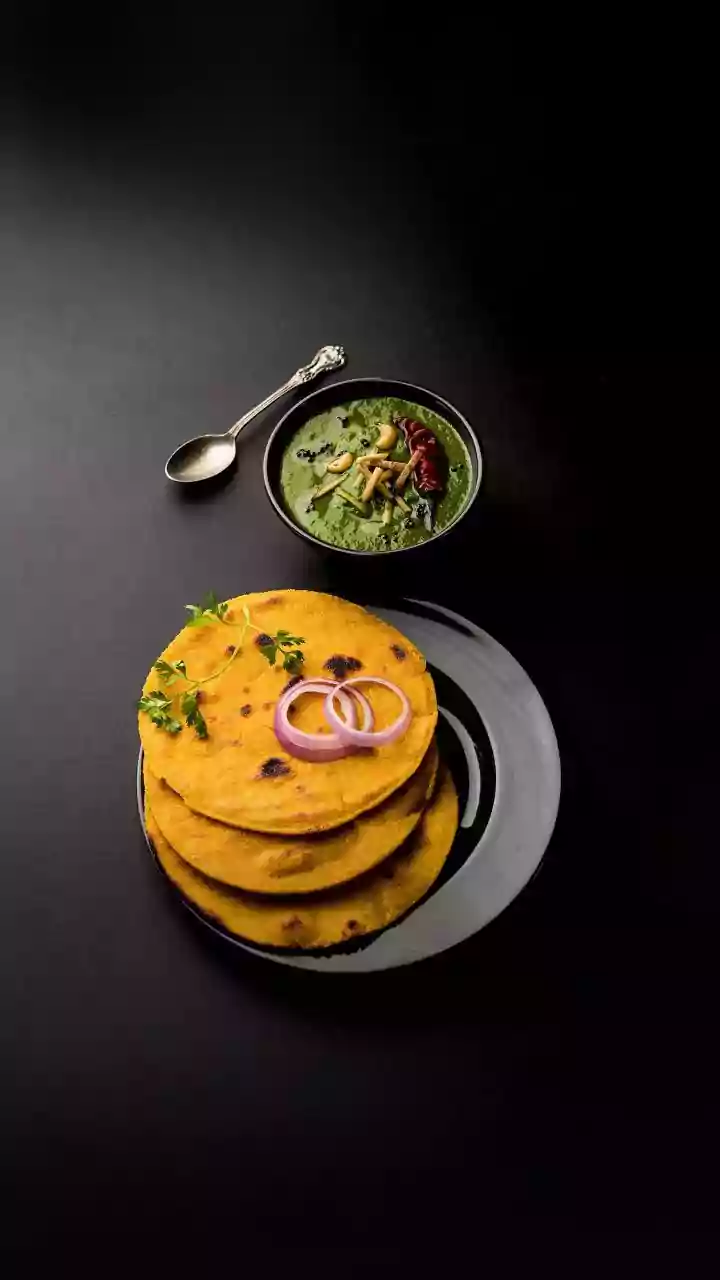
Thepla is a flavorful flatbread, a staple in many Gujarati households, made from wheat flour and seasoned with spices. Fenugreek leaves (methi) are a common ingredient, adding a distinct flavor and aroma to the thepla. Thepla is ideal for travel as it remains fresh for several days. It is often served with yogurt, pickles, or chutney, making it a versatile meal option. Thepla is a convenient and nutritious option, perfect for breakfast, lunch, or even as a snack. Its simplicity in preparation makes it an easy choice, while its rich taste satisfies the taste buds. The incorporation of methi offers additional health benefits, like aiding digestion and controlling blood sugar levels. Thepla is more than just a bread; it's a testament to the simplicity and practicality of Gujarati cuisine.
Handvo: Savory Cake
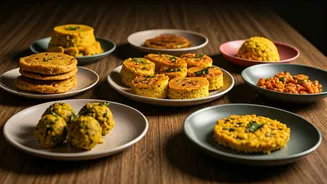
Handvo is a savory cake made from a batter of lentils, rice, and vegetables, baked or steamed until golden and crisp. The inclusion of vegetables like bottle gourd, carrots, and peas adds both nutrition and flavor to the dish. Handvo's texture is both soft inside and crispy outside. Seasoned with mustard seeds and other spices, it offers a wonderful balance of flavors. The dish is a great way to include various vegetables in your diet. Handvo is a beloved snack or meal option. Its versatility allows for various versions, making it a treat for different palates. The fermentation of the batter, similar to Dhokla, adds to the nutritional value and aids in digestion. The combination of textures and flavors makes Handvo a delightful culinary experience.
Khandvi: Delicate Rolls
Khandvi consists of delicate rolls made from a gram flour (besan) batter, seasoned with spices and tempered with mustard seeds and curry leaves. The batter is cooked to a thick consistency and spread thinly before being rolled into bite-sized pieces. These soft and savory rolls offer a subtle flavor. Khandvi is often garnished with coconut and coriander leaves. This snack is known for its light texture and delightful taste, making it a favorite among food lovers. Its preparation takes skill, resulting in the perfect balance of flavors and textures. Khandvi is typically enjoyed as a light snack or appetizer, suitable for any occasion. The spices used in Khandvi add to its appeal, while the ingredients ensure its nutritional value. Its simplicity in appearance and richness in flavor make it a quintessential Gujarati snack.
Dal Dhokli: Comforting Stew
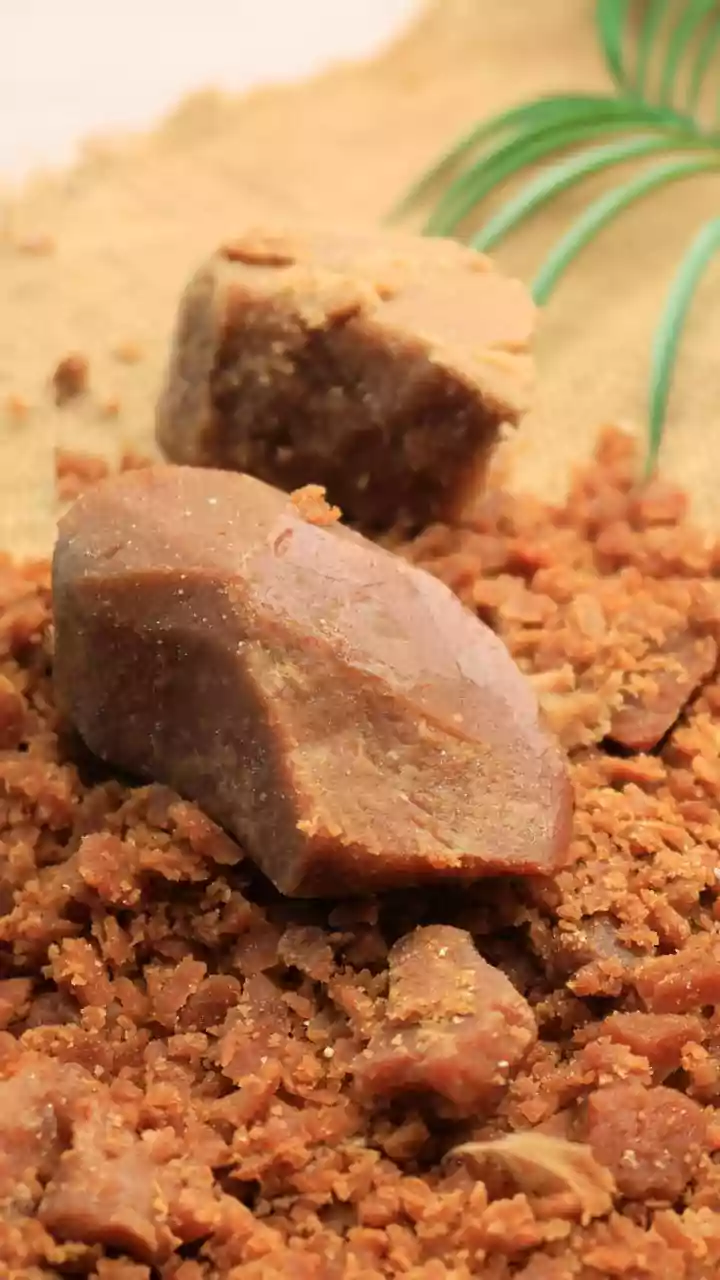
Dal Dhokli is a comforting stew made with a lentil-based dal, combined with thick, wheat flour dough pieces (dhokli). This dish presents a blend of textures, with the soft lentils and the chewy dhokli. The dal is enriched with spices, vegetables, and often a touch of jaggery, which provides a sweet-and-savory profile. The stew is a hearty meal, perfect for a satisfying dinner or a comforting lunch. It's often garnished with fresh coriander leaves, enhancing the flavors. The combination of lentils and wheat flour in Dal Dhokli provides a balanced nutritional profile, rich in protein and carbohydrates. This dish reflects the tradition of utilizing leftovers and creating delicious, wholesome meals. Dal Dhokli is a symbol of Gujarati cuisine's ability to blend health and taste.
Methi Muthiya: Spiced Dumplings
Methi Muthiya involves spiced dumplings made from a mixture of gram flour, fenugreek leaves, and spices, which are then either steamed or fried. These dumplings provide a rich flavor and satisfying texture. When steamed, they are a light and healthy option. Frying them results in a crispy, more indulgent snack. Methi Muthiya is often served as a side dish, and it can also be enjoyed on its own. They are seasoned with spices that enhance the flavor and aroma. The fenugreek leaves, besides adding flavor, offer several health benefits, including regulating blood sugar levels. Methi Muthiya highlights the clever use of ingredients that elevate simple preparations into flavorful dishes, demonstrating Gujarati culinary expertise. Its versatility makes it a favorite in many Gujarati homes.
Shrikhand: Sweet Delight
Shrikhand is a sweet dessert made from strained yogurt, flavored with cardamom, saffron, and nuts. The yogurt is strained to remove excess water, leading to a thick, creamy consistency. This is mixed with sugar and often garnished with nuts and spices. Shrikhand offers a soothing, sweet experience, perfect as a dessert or treat. The strained yogurt is a good source of probiotics, beneficial for gut health. Its preparation involves a delicate balance of sweet and tangy flavors, complemented by the aromatic spices. Shrikhand can be enjoyed on its own or paired with puri. This dessert represents a culmination of the Gujarati culinary journey, offering a sweet ending that is both satisfying and flavorful. It reflects the Gujarati penchant for balancing flavors and textures.