






Spotting Early Signs
Identifying the initial indicators of Autism Spectrum Disorder (ASD) is paramount, with experts highlighting that these often manifest within a child's
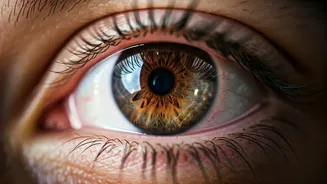
first two years of life. Subtle cues such as limited eye contact, a delayed or absent response when called by name, and delays in speech development can be early indicators. Furthermore, a noticeable reduction in social engagement and the presence of repetitive behaviours, alongside heightened sensory sensitivities, are common observations. The critical takeaway is that early recognition is not about premature labeling but about unlocking the door to timely and crucial support systems that can dramatically influence a child's developmental trajectory. This proactive approach, ideally initiated before a child turns three, is instrumental in fostering significant improvements in language acquisition, behavioral management, and overall independence.
Intervention's Impact
The profound impact of early intervention in managing Autism Spectrum Disorder (ASD) cannot be overstated. When therapeutic support begins in the critical developmental window, typically before the age of three, it can fundamentally alter a child's developmental path. This timely assistance, encompassing a range of specialized therapies, is designed to optimize brain development and enhance crucial life skills. Speech therapy plays a vital role in improving communication abilities, while occupational therapy addresses sensory processing and fine motor skills. Behavioural interventions are also key, helping children develop more adaptive responses and social interaction strategies. The collective effort of these interventions aims to equip children with ASD with the tools they need to navigate their world more effectively, promoting greater language proficiency, improved behavior, and a higher degree of independence throughout their lives.
Misinformation Pitfalls
Navigating the landscape of autism information requires a discerning eye, as misinformation can unfortunately breed unnecessary anxiety, particularly among expectant parents. Concerns that have circulated, suggesting a direct link between maternal infections during pregnancy and the development of autism, are not supported by conclusive scientific evidence. Leading experts firmly state that there is a lack of definitive proof establishing such a causal relationship. It is imperative to rely on balanced and evidence-based communication to dispel these myths and prevent undue stress. Focusing on established risk factors and validated information ensures that parents receive accurate guidance, fostering a more informed and less fearful approach to pregnancy and child development, free from unsubstantiated fears.
Brain Connections Explored
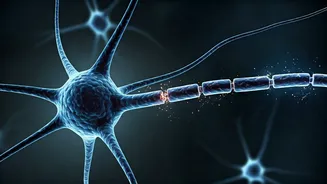
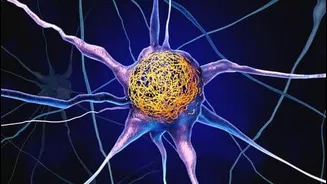
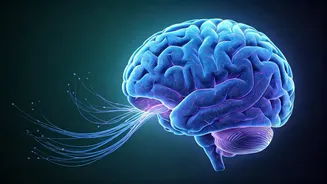
Contemporary scientific research is continually broadening our comprehension of autism, with exciting new studies illuminating potential shared biological pathways between ASD and other neurological conditions, notably Alzheimer's disease. Investigations have identified disruptions in critical areas such as synaptic function—the way nerve cells communicate—and overall brain connectivity as common threads. This paradigm shift in scientific inquiry moves the focus from merely identifying isolated disease markers to understanding the intricate health of neural networks. While these findings are still in their nascent stages and do not suggest autism is a precursor to Alzheimer's, they hold significant promise for the future. This emerging knowledge could pave the way for the development of novel, targeted therapeutic strategies aimed at addressing these underlying neural mechanisms.
Neurodevelopmental View
It is crucial to understand autism spectrum disorder (ASD) not as a disease to be eradicated, but as a distinct neurodevelopmental condition. This perspective shifts the focus from a 'cure' to a model of comprehensive support and empowerment. With the advantage of timely and appropriate interventions, alongside an increasingly sophisticated scientific understanding, individuals on the autism spectrum are well-positioned to lead lives that are both independent and deeply fulfilling. Fostering an environment of inclusive care, recognizing individual strengths, and continuing to invest in research that enhances our knowledge are all vital components in helping everyone on the spectrum achieve their full potential and contribute meaningfully to society.