






Cultural Immersion First
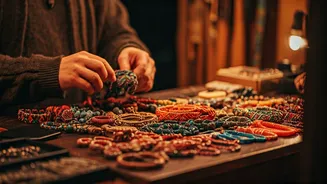
Before you even think about prices, immerse yourself in the local customs of the craft market. In many African regions, bargaining isn't just a transaction;
it's a deeply ingrained cultural practice, an expected part of the buying process. Understanding this dynamic is crucial for engaging authentically with vendors. Take a moment to observe the interactions around you, noting how locals and other shoppers navigate these negotiations. This observational phase will not only provide valuable insights but also build your confidence, making your own haggling endeavors feel more natural and respectful. Embracing the cultural significance of bargaining transforms it from a potential point of friction into an opportunity for connection.
Friendly Introductions Matter
Initiating your interaction with a seller with a warm and genuine greeting is paramount. A simple 'hello,' 'good morning,' or a polite inquiry like 'how are you?'—especially if expressed in the local dialect—can significantly pave the way for a positive negotiation. This initial pleasantry serves to establish a friendly atmosphere and demonstrates respect for the vendor and their heritage. By starting on a positive note, you create a more comfortable environment for both parties, making the subsequent discussion about prices much smoother and more agreeable. It's about building a brief connection before diving into the business of the sale.
Price Knowledge is Power
Empower yourself by conducting a bit of preliminary research regarding the typical price range for the items you're admiring. This might involve discreetly asking locals for guidance or observing pricing on similar goods throughout the market. Having a clear understanding of what constitutes a fair price allows you to make informed offers and prevents you from either overpaying or significantly undervaluing an artisan's work. This knowledge acts as your foundation during negotiations, giving you the confidence to propose a price that is reasonable for both you and the seller.
Patience and Flexibility
The art of haggling is a nuanced dance that requires both patience and a degree of flexibility. Successful negotiation is rarely a swift, one-and-done affair; be prepared for a back-and-forth exchange as you and the seller work towards a mutually agreeable price. Moreover, maintaining flexibility in your offers is key. Sometimes, demonstrating a willingness to walk away from an item, politely and respectfully, can be a powerful negotiation tactic. This approach often prompts sellers to reconsider their price, perhaps lowering it further in an effort to secure the sale and retain your interest. It’s about finding that sweet spot where both parties feel satisfied.
Appreciate the Craftsmanship
As you engage in the negotiation process, remember to acknowledge and commend the skill and artistry involved in each piece. Offering genuine compliments on the craftsmanship can make the artisan feel valued and respected, which in turn can foster a more positive and collaborative negotiation environment. When sellers feel that their hard work and talent are recognized, they are often more inclined to offer a better price. This appreciation goes beyond the monetary aspect, building a stronger connection and ensuring that the interaction is a respectful exchange of value for both the product and the effort put into creating it.