





The Silent Assault
High blood pressure, medically termed hypertension, is frequently described as a 'silent killer' due to its insidious nature—often presenting no overt
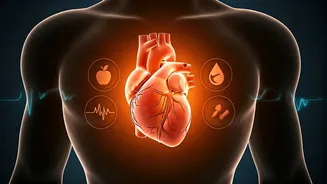
symptoms while inflicting significant damage across various bodily systems. While commonly associated with cardiovascular events like heart attacks, its detrimental effects extend far beyond the heart. Unchecked hypertension persistently elevates pressure within the circulatory system, gradually compromising the integrity of blood vessels. This leads to their stiffening and narrowing, impeding the efficient delivery of oxygenated blood to essential organs. Over time, this chronic strain can result in a diminished quality of life and a shortened lifespan as multiple organs bear the brunt of this sustained pressure.
Brain Health Under Threat
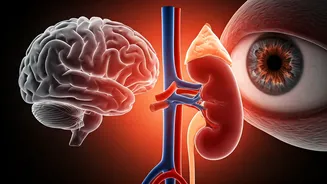
The brain is particularly vulnerable to the relentless force of high blood pressure, a primary culprit behind strokes. When the pressure within cerebral blood vessels becomes excessive, these vessels can either become obstructed, cutting off blood supply, or rupture, leading to a hemorrhage. Both scenarios can result in devastating consequences such as paralysis, impaired speech, and, in severe cases, fatality. Furthermore, chronic, uncontrolled hypertension can gradually erode cognitive functions, including memory and thinking abilities, significantly increasing the risk of developing vascular dementia later in life. Maintaining controlled blood pressure today is a proactive measure to safeguard future brain function.
Kidney Function Deterioration
Another critical organ system severely affected by hypertension is the kidneys. These vital filtering organs rely on a network of delicate blood vessels. High blood pressure damages these microscopic vessels, progressively impairing their ability to filter waste products from the blood. This damage is a leading cause of renal failure, often necessitating dialysis for survival. The insidious progression of kidney damage means it often goes unnoticed until it reaches advanced stages. Therefore, regular monitoring of both blood pressure and kidney function is paramount for early detection and intervention.
Vision Impairment Risk
The eyes, with their intricate network of tiny blood vessels in the retina, are also susceptible to the adverse effects of uncontrolled hypertension. Elevated blood pressure can cause these delicate vessels to narrow, leak, or even rupture, leading to vision disturbances ranging from blurred sight to irreversible blindness. Eye specialists can often identify the tell-tale signs of long-standing hypertension during routine eye examinations. In some instances, the eyes serve as the initial indicator that blood pressure has been poorly managed for an extended period.
Vascular System Weakening
Beyond specific organs, high blood pressure systematically weakens the arteries throughout the entire body. This condition accelerates the process of atherosclerosis, commonly known as the hardening of the arteries, thereby increasing the likelihood of peripheral artery disease. It also contributes to the formation of aneurysms—potentially life-threatening balloon-like bulges in arterial walls that can rupture without warning. For some individuals, hypertension is also linked to other issues like sexual dysfunction, disrupted sleep patterns, and a reduced capacity for physical activity.
Management and Prevention
Fortunately, hypertension is both identifiable and treatable. The cornerstone of prevention and management lies in adopting healthy lifestyle habits. Key strategies include maintaining a healthy body weight, engaging in regular physical activity, abstaining from tobacco use, moderating alcohol consumption, and effectively managing stress. Ensuring adequate sleep also plays a crucial role. While lifestyle changes are foundational, many individuals also require prescribed medications, which must be taken consistently, even when feeling well. Regular blood pressure checks are advised for all adults, particularly after age 30 or sooner if risk factors like obesity, diabetes, or a family history of hypertension are present. Early detection and appropriate treatment are vital to avert severe long-term complications.