

Hormonal Shifts & Pigmentation
Transitioning into your 30s and 40s often brings about more prominent pigmentation, largely influenced by hormonal fluctuations. Oestrogen, a key hormone
for maintaining an even skin tone by regulating melanin production, experiences changes during these decades. When oestrogen levels shift or decline, pigment-producing cells, known as melanocytes, can become overactive. This heightened reactivity means that common triggers like sun exposure, heat, or even inflammation can lead to the intensification of dark patches, particularly on areas like the cheeks and forehead. Conditions such as melasma, which are characterized by larger patches of discoloration, frequently become more pronounced during this life stage. Consequently, incorporating robust daily sun protection and utilizing targeted brightening skincare ingredients becomes paramount for preserving a clear and luminous complexion.
Collagen Decline & Dryness
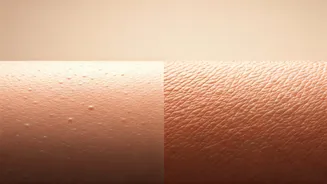
The structural integrity of your skin begins to change as collagen production naturally starts to diminish in the early thirties. This slowdown in collagen synthesis leads to a gradual weakening of the skin's supportive matrix, resulting in a thinner, less resilient appearance. Simultaneously, your skin's natural oil production also experiences a slow decline over time. The combined effect of reduced collagen and diminished sebum output creates a sensation of tightness, contributes to a duller complexion, and makes fine lines appear more pronounced. Your skin's ability to retain moisture is compromised, meaning that lighter moisturizers that once sufficed may no longer provide adequate hydration. To counteract this, adopting richer creams, incorporating humectant ingredients that draw moisture into the skin, and utilizing formulations that support the skin's natural barrier function are crucial steps in restoring suppleness and comfort.
Slower Renewal, Rough Texture
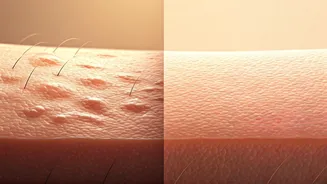
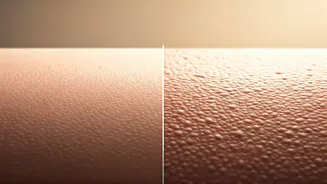
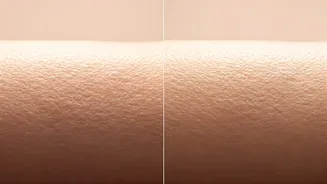
As we age, the natural process of cell turnover, where old skin cells are shed and replaced by new ones, becomes less efficient. This slowdown means that dead skin cells tend to accumulate on the skin's surface for longer periods. The consequence of this buildup is a feeling of roughness and an uneven skin tone. Furthermore, existing pigmentation can appear darker and more noticeable simply because it resides on a less reflective surface created by these lingering dead cells. To address this textural concern and enhance radiance, incorporating gentle exfoliation methods is key. This can include chemical exfoliants like alpha hydroxy acids (AHAs) or beta hydroxy acids (BHAs), or the use of topical retinoids, which are known to accelerate cell turnover. Professional treatments can also offer more intensive solutions for achieving a smoother, more luminous skin texture.
Stress, Thyroid, and Skin
Beyond hormonal shifts directly related to reproductive cycles, other internal factors can significantly impact skin health, particularly in the 30s and 40s. Elevated stress levels lead to an increase in stress hormones like cortisol. This surge in cortisol can promote inflammation throughout the body, including the skin, and compromise the skin's protective barrier function. Such a weakened barrier can exacerbate dryness and even trigger breakouts. Additionally, imbalances in thyroid hormones can manifest as skin concerns such as puffiness and persistent dryness that is difficult to manage. When skin issues become particularly severe or prove resistant to conventional at-home care, seeking professional medical advice is highly recommended. A doctor can help diagnose underlying issues and recommend appropriate treatments.