
New Year's Sacred Offering
Pana Sankranti, also celebrated as Maha Vishuba Sankranti, ushers in the traditional Odia New Year on April 14th. On this auspicious day, Pakhala Bhata
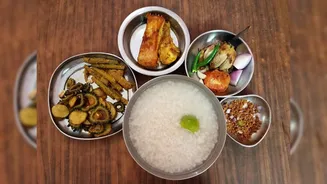
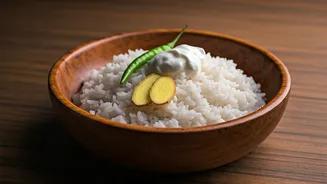
holds a place of particular reverence as a special offering to Lord Jagannath. This humble dish of fermented rice, soaked in water, is traditionally presented during the evening rituals, specifically the Sandhya Dhupa and Bada Singhara Bhoga, rather than in the morning. Its preparation is deeply intertwined with the rising summer temperatures, as Pakhala is cherished for its cooling and sattvic attributes, making it a comforting and spiritually pure choice for devotees.
Dahi Pakhala Simplicity
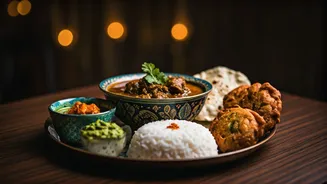
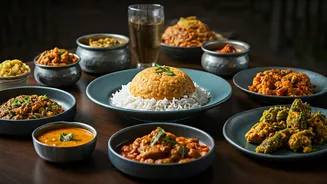
When Pakhala is prepared as Dahi Pakhala, it involves the gentle addition of fresh curd, a few mild spices, and a simple tempering that skillfully enhances the flavour without compromising the sanctity of the bhog. This dish is traditionally served in an earthen pot, a symbol of purity, and is often garnished with a sacred Tulsi leaf, further underscoring its devotional significance. The act of preparing Pakhala Bhata at home provides an opportunity for devotees to immerse themselves in the spiritual essence of Pana Sankranti with genuine sincerity and profound reverence, connecting them more deeply to the traditions of the day.
Easy Pakhala Recipe
To prepare the Dahi Pakhala bhog for Pana Sankranti, gather these essential ingredients: cooked rice, ideally fermented for about eight to nine hours; water, known traditionally as 'torani'; fresh curd; grated ginger; roasted cumin powder; curry leaves and green chillies for tempering; and salt to taste. The preparation begins by placing the cooked rice in a bowl and adding sufficient water, allowing it to cover. This mixture should then be left covered for a few hours or even overnight to develop a subtle fermented taste, characteristic of Pakhala. If a thicker consistency is desired, excess water can be gently squeezed out; otherwise, retain it for a more fluid outcome. Subsequently, fresh curd is added and delicately mixed with the rice. In a small pan, heat a little ghee, then add curry leaves, grated ginger, and roasted cumin. Once the tempering releases its aroma, pour it over the curd-rice mixture. Finally, transfer the prepared Pakhala into an earthen pot and place a fresh Tulsi leaf on top before offering it with devotion during the evening ritual.
Symbol of Devotion
Ultimately, Pakhala Bhata symbolizes profound simplicity and unwavering devotion. Its humble nature makes it a particularly meaningful bhog for Pana Sankranti, serving as a heartfelt and pure expression of faith directed towards Lord Jagannath. This dish embodies the essence of offering one's best, however simple, with sincere reverence and trust in divine blessings. It is more than just food; it represents a connection to tradition, a moment of spiritual reflection, and a humble plea for grace during the Odia New Year.