





Illuminating Mental Health Recovery
A pioneering study conducted in a Norwegian psychiatric ward has unveiled a potentially transformative approach to mental health treatment: manipulating
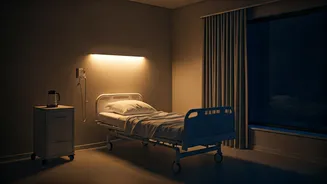
the color of light. Researchers found that by reducing blue wavelengths in the evening, patients experiencing psychosis and depression exhibited accelerated recovery and a marked decrease in aggressive behavior. This innovative method, implemented in a 'circadian-adapted' ward, involves carefully dimming lights and applying filters to windows and screens after 6 PM to foster a calming environment and, crucially, to avoid disrupting the body's natural internal clock. The findings, published in PLOS Medicine, suggest that simple adjustments to our lighting environment could profoundly impact mental well-being, offering a novel, non-pharmacological avenue for therapeutic intervention. This approach directly targets the body's biological rhythms, which are intrinsically linked to mood and overall mental state, demonstrating that light, often overlooked, can be a powerful therapeutic tool.
Circadian Rhythm's Crucial Role
Our bodies operate on an intrinsic 24-hour cycle, known as the circadian rhythm, which governs essential functions like our sleep-wake patterns, hormone release, digestion, and body temperature, aligning them with the natural progression of day and night. This internal 'body clock' is primarily orchestrated by specialized light-sensitive cells in our brain. When this delicate rhythm is disrupted, it can lead to a cascade of health complications, including a heightened susceptibility to mental health disorders such as depression, and even impact cardiovascular health. The significance of the Trondheim study lies in its demonstration that carefully controlled light exposure can help to reinforce and reset these vital biological rhythms, suggesting a broad applicability for treating a wide spectrum of illnesses by addressing their underlying circadian disruption.
Wider Healthcare Applications Explored
The success observed in the psychiatric ward has sparked considerable interest in extending this light-based therapy to other healthcare settings. Beyond acute psychiatric care, researchers are actively investigating its potential to benefit individuals in long-term care facilities. For instance, the UK's National Institute of Health and Care Research (NIHR) has advocated for trials to determine if similar light interventions can help 'reset' the internal clocks of residents in care homes. This is particularly relevant for individuals with dementia, where behavioral disturbances are a common challenge. Professor Anthony Gordon of the NIHR highlighted the potential for light therapy to alleviate anxiety and improve sleep quality in these vulnerable populations, suggesting that this innovative approach could offer a gentler, more effective way to manage behavioral issues and enhance the overall quality of life for those in residential care.
Study Design and Findings
To rigorously assess the impact of modified lighting, the psychiatric unit in Trondheim was meticulously divided into two identical sections. Both halves were maintained with consistent layouts, staffing, and healthcare facilities, ensuring that the only significant variable was the evening light environment. One ward was equipped with blue-depleted lighting from 6 PM onwards, employing blinds and specialized filters to block out blue light from windows and electronic screens. In contrast, the other ward utilized standard hospital lighting, allowing researchers to precisely compare the recovery rates and behavioral patterns of patients under different lighting conditions. The study's published results in PLOS Medicine indicated that patients in the circadian-adapted ward experienced demonstrably better clinical outcomes and exhibited substantially less aggressive conduct, underscoring the profound effect of light on mental health and patient behavior.