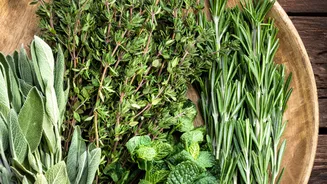







Thyme's Vitamin Boost
Thyme emerges as a significant source of vitamin C, a crucial nutrient for bolstering the body's immune defenses. Astonishingly, a single tablespoon of fresh
thyme can supply close to 45% of the daily recommended intake for this essential vitamin. Beyond its immune-supporting properties, thyme also offers vitamin A, vital for maintaining healthy vision and promoting supple skin. Incorporating this fragrant herb into your diet is a simple yet effective way to enrich your meals with these beneficial vitamins, contributing to an overall balanced and healthy eating pattern. Its subtle yet distinct flavor profile makes it a versatile addition to a wide array of dishes, from roasted vegetables to hearty grain bowls.
Sage's Unique Compounds
Sage stands out with its impressive concentration of vitamin K, a nutrient indispensable for proper blood clotting and maintaining robust bone health. Just one tablespoon of dried sage can provide approximately 25% of your daily requirement for vitamin K. Moreover, sage is rich in potent antioxidants, notably rosmarinic acid. This compound is recognized for its potential to combat inflammation and mitigate oxidative stress within the body, offering protective benefits at a cellular level. The distinct, slightly peppery flavor of sage makes it a fantastic complement to richer dishes, such as savory stuffings and slow-cooked stews, allowing its unique compounds to be enjoyed alongside its culinary contributions.
Mineral Richness of Both
Both thyme and sage contribute valuable minerals essential for various bodily functions. They are good sources of calcium, which plays a critical role in maintaining strong bones, and iron, vital for efficient oxygen transport throughout the bloodstream. When comparing the two, thyme tends to offer a higher quantity of calcium per serving. Conversely, sage provides a more substantial amount of iron. Including either of these herbs in your regular cooking routine is an accessible method for ensuring your dietary mineral needs are met, adding a healthy dimension to your favorite recipes without requiring significant dietary overhauls.
Culinary Enhancements
Beyond their individual nutritional merits, integrating thyme and sage into your cooking significantly elevates both the taste and health quotient of your meals. Thyme, with its delicate aroma, pairs beautifully with lighter fare such as steamed vegetables, salads, and baked grains. Sage, on the other hand, boasts a more pronounced, earthy flavor that enriches soups, gravies, and slow-cooked dishes, imparting a depth of taste. Whether used fresh or in their dried forms, these herbs offer an effortless way to infuse your daily meals with beneficial nutrients. Their addition enhances culinary appeal without drastically altering the inherent flavors of your dishes, making healthy eating both delicious and convenient.