




Timing is Everything
The moment you choose to capture an image significantly impacts its aesthetic appeal and mood. For landscapes and wildlife, aim for the softer, more flattering
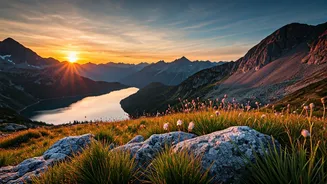
light found during the early hours of the morning or the late afternoon. These periods, often referred to as the 'golden hour,' bathe your subjects in warm, inviting tones, enhancing the natural beauty and creating a sense of tranquility. Rushing to shoot midday can often result in harsh shadows and blown-out highlights, detracting from the serene qualities you're trying to convey. By being mindful of the sun's position, you can elevate your photographs from mere snapshots to evocative pieces of art that truly reflect the peaceful essence of nature. Embracing these optimal times not only improves your images but also encourages a more mindful and unhurried approach to your photographic adventures.
Mastering Composition
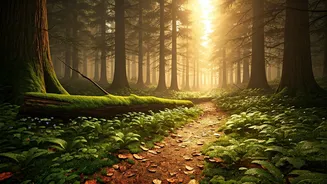
The art of arranging elements within your frame, known as composition, is fundamental to creating compelling photographs. A widely used technique is the rule of thirds, where you mentally divide your image into nine equal sections by two horizontal and two vertical lines. Placing key subjects or points of interest along these lines or at their intersections can lead to more balanced and engaging visuals. Another powerful tool is the use of leading lines – natural or man-made elements like a winding path, a fence, or a river – that draw the viewer's eye through the photograph, creating a sense of depth and guiding their journey into the scene. Thoughtful composition transforms a simple view into a narrative, inviting the viewer to explore the image and appreciate its subtle details. Experimenting with these principles will help you craft images that are not only beautiful but also tell a story.
Essential Gear
While passion and skill are paramount, having the right equipment can certainly enhance your nature photography experience. Although you don't need the most expensive gear to begin, a modest investment in quality tools can yield more satisfying results. A versatile DSLR or mirrorless camera with interchangeable lenses allows you to adapt to various shooting situations, from wide-angle landscapes to telephoto wildlife shots. For those moments when stability is crucial, such as capturing intimate details in low light or during long exposure shots, a sturdy tripod is indispensable. It eliminates camera shake, ensuring sharper images and opening up creative possibilities that would be difficult to achieve handheld. Choosing reliable equipment supports your artistic vision and allows you to focus on capturing the essence of the natural world.
Explore Diverse Settings
To truly expand your horizons as a nature photographer, venturing into a variety of environments is key. Each unique landscape—be it a dense forest, an arid desert, a tranquil coastline, or a majestic mountain range—presents distinct photographic opportunities and challenges. By immersing yourself in different settings, you not only encounter diverse subjects but also develop a broader range of photographic skills. This exploration keeps your creative spirit vibrant and prevents your work from becoming monotonous. The thrill of discovering new vistas and the visual stories they hold will undoubtedly keep your photographic journey exciting and continuously evolving, offering fresh perspectives with every outing.
Cultivate Patience
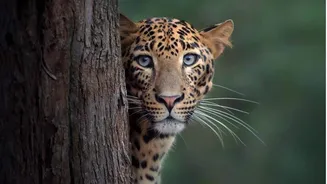
The pursuit of exceptional nature photography is deeply intertwined with the virtues of patience and keen observation. Wildlife rarely adheres to schedules, meaning you might spend considerable time waiting for the perfect moment to capture a fleeting expression or a decisive action. This waiting period, however, is not wasted; it allows for a deeper connection with your surroundings and fosters a greater appreciation for the subtle rhythms of nature. Equally important is your ability to observe the finer details that often go unnoticed by others. These seemingly small elements – the dewdrop on a leaf, the texture of bark, the intricate pattern of a feather – can often transform an ordinary photograph into a captivating work of art, imbuing it with a unique narrative and profound beauty.