


Gentle Light Adjustment
When your indoor plants have suffered from an overdose of sunshine, the first crucial step is to gently transition them to a more suitable environment.
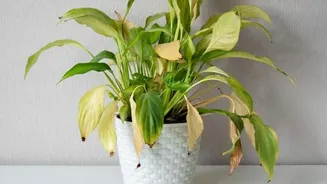
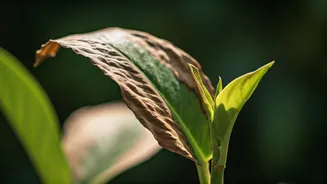
Avoid drastic changes that could shock their system. Instead, move the affected plant to a location that receives diffused or indirect light for several days. This period of lower light intensity allows the plant to begin healing without the stress of harsh rays. Keep a close eye on its progress; as you observe signs of recovery, such as a return to healthier leaf color, you can cautiously reintroduce it to slightly brighter conditions, if its needs dictate, but always err on the side of caution to prevent a relapse. This gradual acclimatization is vital for its long-term well-being.
Pruning Damaged Foliage
To help your sunburnt houseplant channel its energy into new, healthy growth, it's beneficial to carefully remove any leaves that have been severely damaged by the sun. Employ clean, sharp scissors or pruning shears to make precise cuts, minimizing the risk of introducing infections to the plant's tissues. This not only tidies up the plant's appearance but also redirects its resources towards revitalization. However, exercise restraint; removing an excessive amount of foliage at once can be detrimental and place undue stress on an already weakened plant. Focus on trimming only the leaves that are beyond recovery, allowing the plant to dedicate its strength to producing fresh, vibrant growth.
Consistent Watering Practices
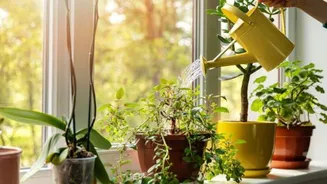
Establishing and maintaining a consistent watering schedule is paramount for aiding your sunburnt indoor plant's recovery process. It's essential to understand the specific hydration needs of your plant and provide the appropriate amount of water, ensuring the soil remains consistently moist but not waterlogged. Overwatering can lead to a host of problems, most notably root rot, which can be fatal. By keeping the soil moisture levels stable and predictable, you significantly reduce the overall stress on the plant, creating an environment that actively promotes its healing and encourages healthy regrowth. This steady approach to hydration is a cornerstone of plant recovery.
Boosting Ambient Humidity
Enhancing the humidity levels in the immediate vicinity of your sunburnt indoor plants can significantly accelerate their recovery. You can achieve this by incorporating a humidifier into their environment, or for a more natural solution, place a shallow tray filled with water near the plant. As the water evaporates, it will naturally increase the moisture in the air around the leaves. Higher humidity levels closely mimic the conditions found in many plants' native tropical habitats, which helps to alleviate stress on the foliage and supports the plant's natural healing processes, contributing to a faster return to health.
Stabilizing Temperature Conditions
Sudden and extreme shifts in temperature can further compromise the health of an indoor plant that is already struggling with sunburn. Therefore, it's vital to ensure the plant resides in an environment with stable temperatures. Take care to position your plant away from potential sources of rapid temperature changes, such as drafty windows, doors, or heating and cooling vents. Maintaining a consistent thermal environment minimizes additional stressors on the plant, allowing it to focus its energy on repairing sun-damaged tissues and promoting new, healthy growth, thereby supporting a more effective recovery.