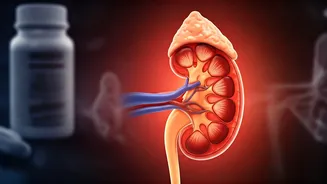







The Painkiller Peril
Many individuals reach for over-the-counter painkillers to alleviate common ailments like headaches and muscle aches. However, experts caution that frequent
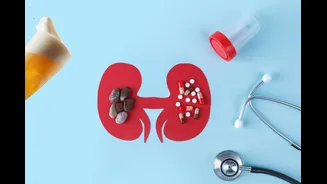
and prolonged use of these medications, particularly non-steroidal anti-inflammatory drugs (NSAIDs), poses a significant threat to kidney health. NSAIDs can constrict the blood vessels supplying the kidneys, impairing their filtering capabilities. Over time, this can lead to kidney scarring or chronic disease. For those with pre-existing conditions such as diabetes, high blood pressure, or dehydration, the risk is amplified. Excessive painkiller consumption can even result in analgesic nephropathy, a condition characterized by progressive renal damage and functional decline due to sustained drug exposure. It is advisable to use the lowest effective dose and explore alternative pain management strategies like physical therapy or heat packs.
Processed Food Pitfalls
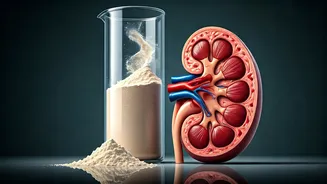
The modern diet is often laden with ultra-processed foods (UPFs), which, beyond their known impact on cardiovascular and brain health, present a grave danger to kidney function. These foods are frequently high in salt, sugar, and chemical additives, creating a 'triple threat' for the kidneys. Excessive sodium intake from processed meats and canned goods elevates blood pressure, putting immense strain on the delicate blood vessels within the kidneys and accelerating wear and tear. Furthermore, the chemical preservatives found in many packaged snacks are more difficult for the kidneys to process and eliminate, leading to a potential buildup of toxins in the bloodstream. Opting for fresh fruits, vegetables, and whole grains is a far healthier choice. Additionally, the high levels of refined sugars and unhealthy fats in UPFs contribute to obesity, metabolic syndrome, and type 2 diabetes – all significant risk factors for chronic kidney disease. Elevated blood sugar levels, a hallmark of diabetes, can gradually degrade the kidney's intricate filtering structures, making it a leading cause of kidney damage globally.
Fitness for Kidneys
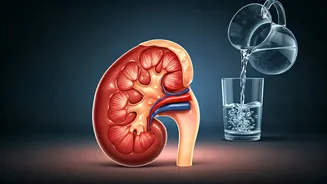
An active lifestyle is paramount not only for overall well-being but also for maintaining optimal kidney function. A lack of regular exercise contributes to weight gain, poor metabolic health, insulin resistance, and elevated blood pressure, all of which are substantial risk factors for kidney disease. Immobility also negatively affects circulation and cardiovascular health, indirectly diminishing the kidneys' efficiency. Inadequate blood flow hinders the kidneys' ability to perform their essential filtration processes. Individuals who spend long hours sitting with minimal physical activity inadvertently increase their risk of developing conditions that damage kidneys over the long term, often without realizing the consequences. Furthermore, replacing water with sugary beverages or caffeinated drinks can lead to metabolic disorders and place an undue burden on the kidneys. Consistent hydration with plain water is crucial for proper filtration and the excretion of metabolic waste. Daily physical activity, such as a 30-minute walk, helps regulate blood sugar and maintain healthy blood pressure, thereby preventing the kidneys from being overworked and ensuring they function at their best.